
Last updated November 15, 2026
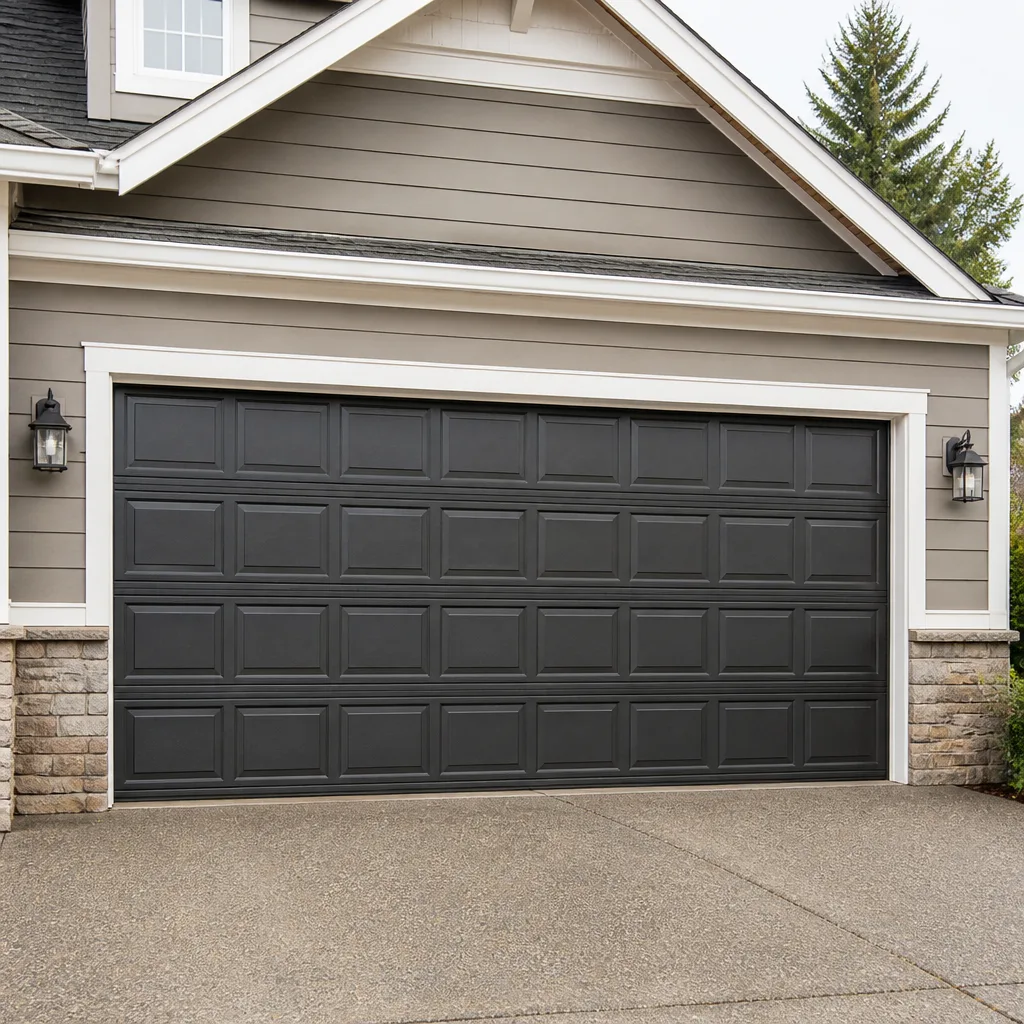 Raised-panel steel
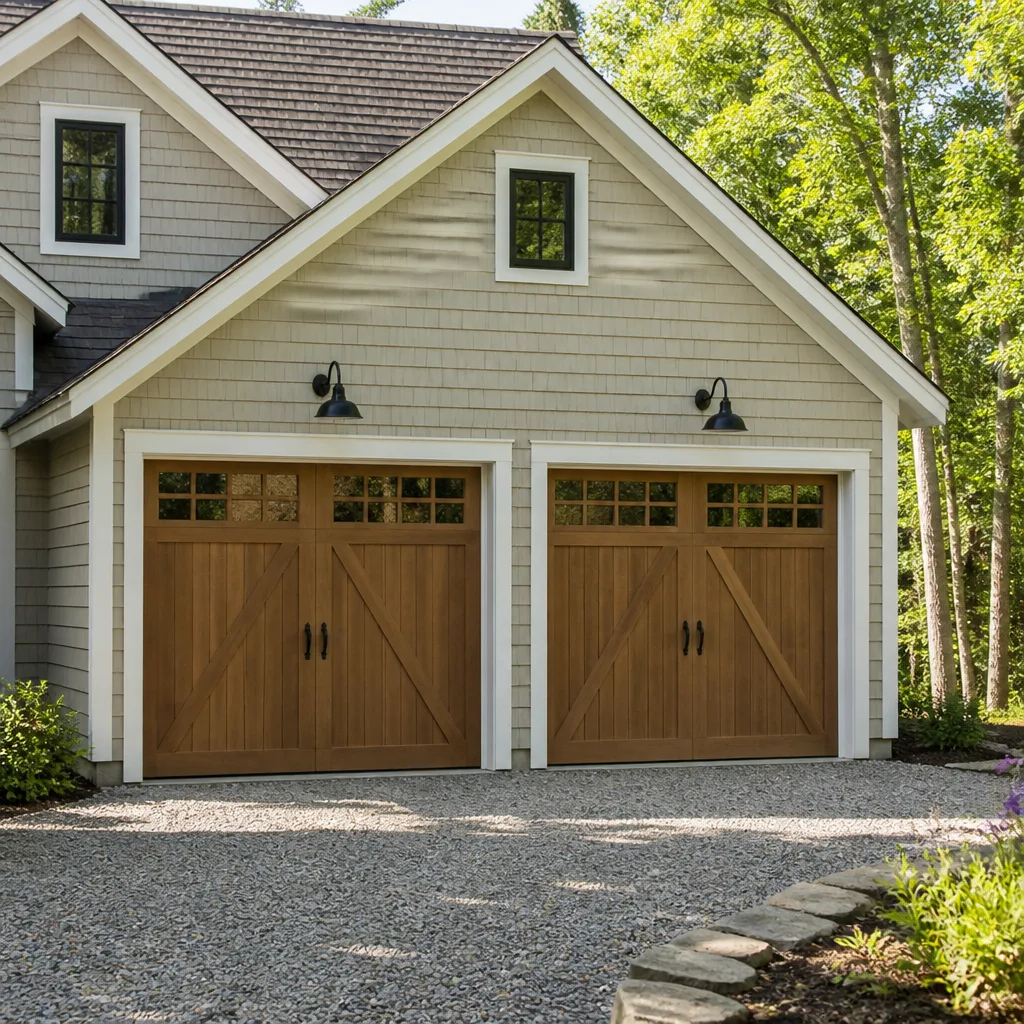 Carriage house
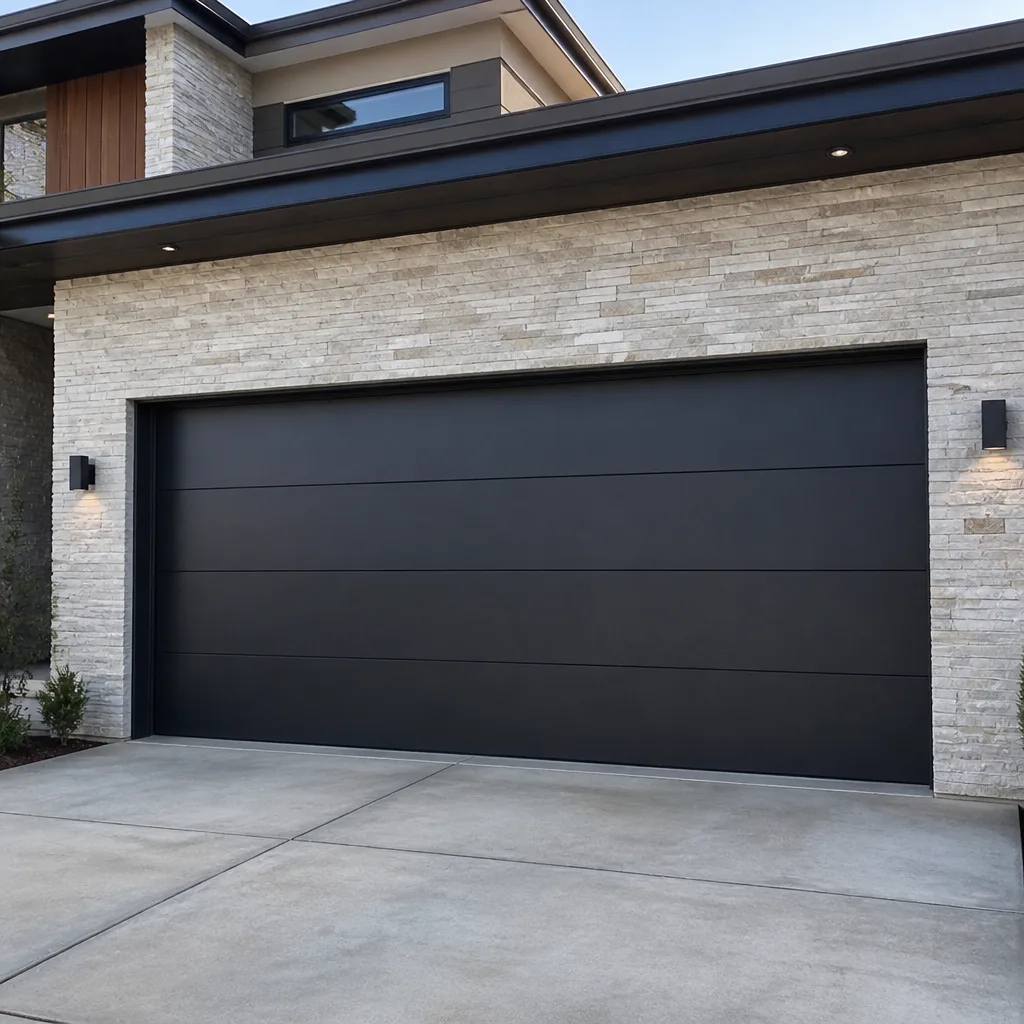 Modern flush
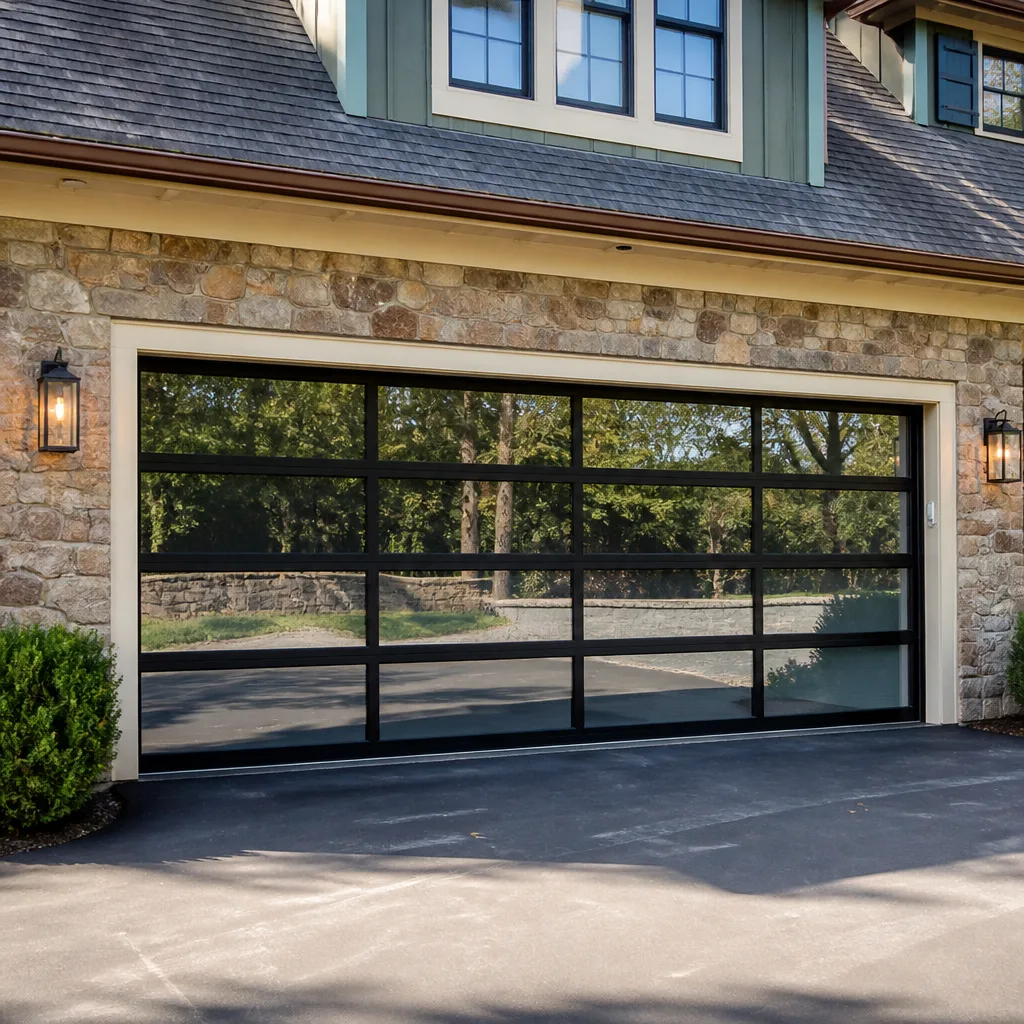 Full-view glass
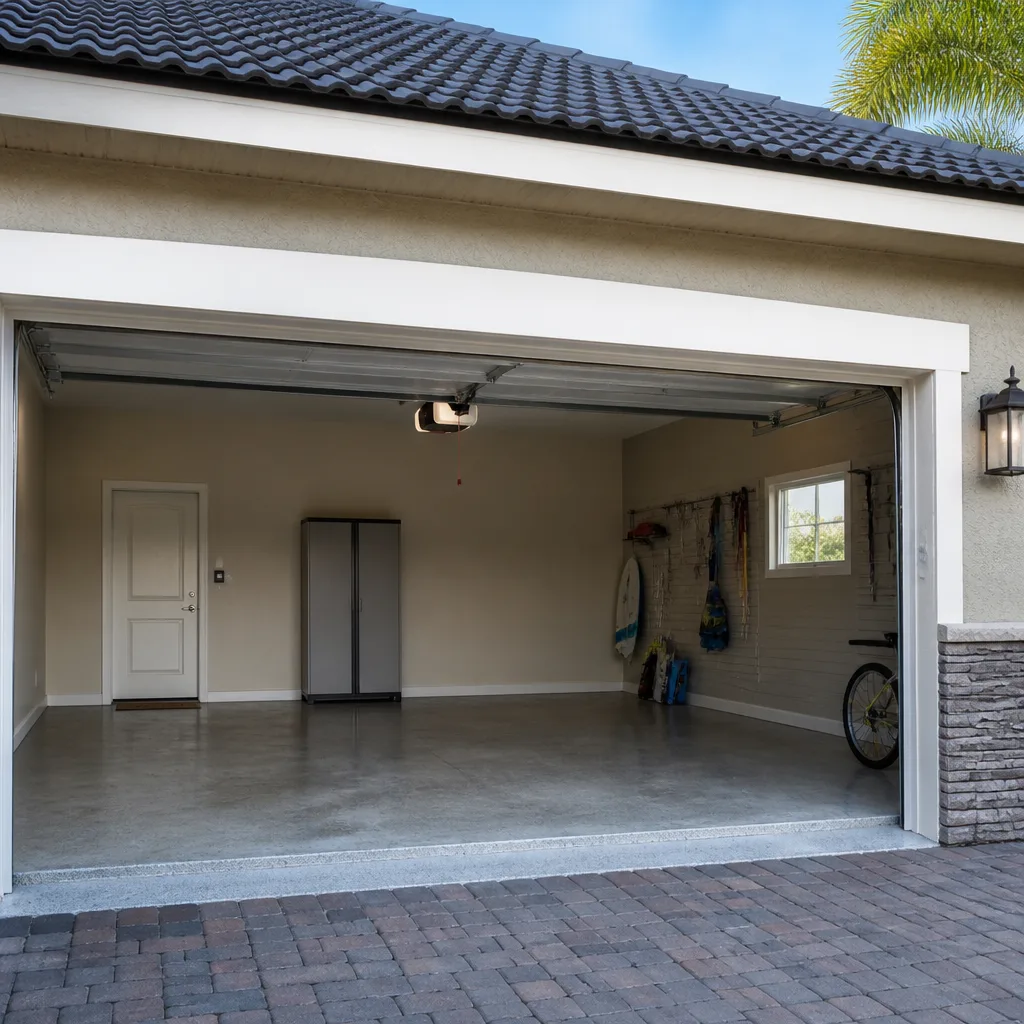 LiftMaster openers
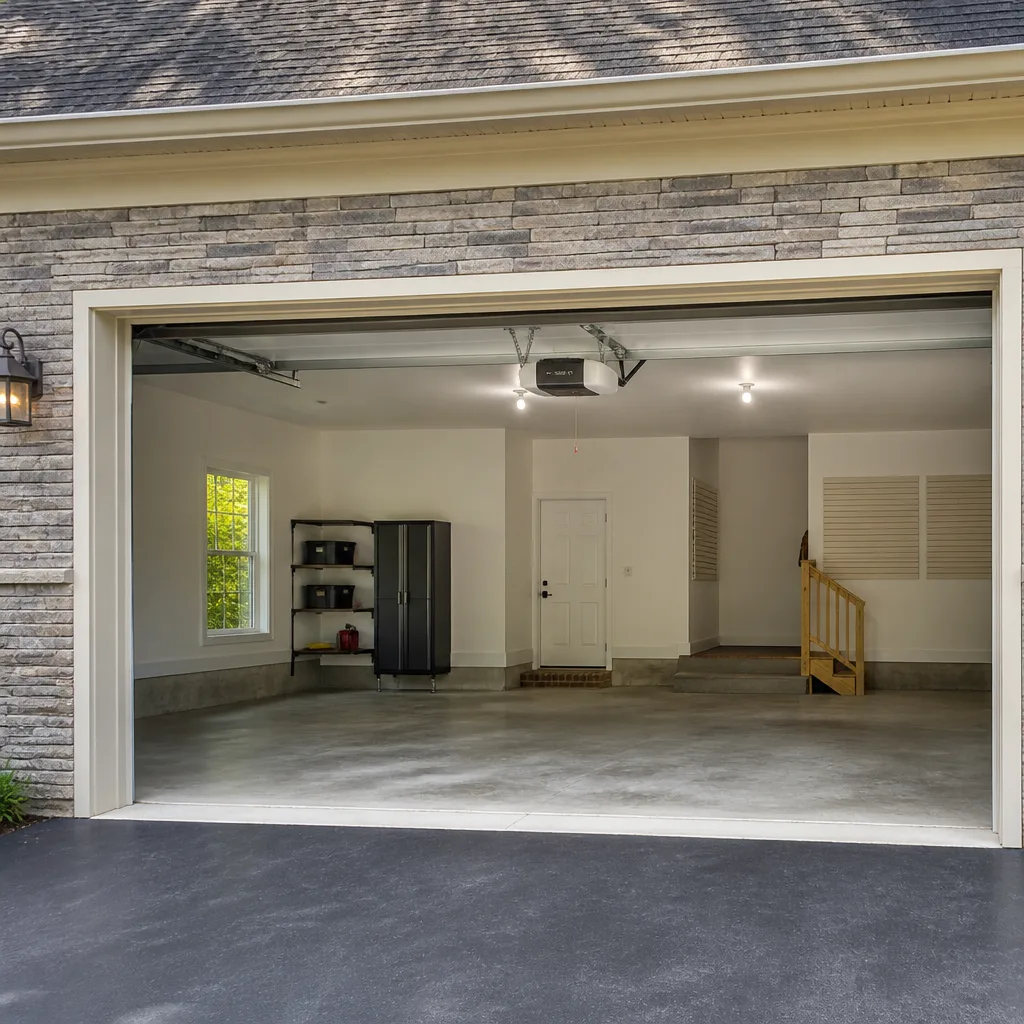 Chamberlain openers
Full 25-point door and opener safety check with every visit - springs, cables, rollers, tracks, and your LiftMaster or Chamberlain opener included
You get a price before we start. It does not change when the pro arrives.
Get your free estimateGarage Door Warning Signs: An Avondale Homeowner’s Reference Guide
A garage door doesn’t fail. It negotiates. It sends smaller warnings for weeks before it stops working, and most homeowners are never taught to notice them. That’s why a spring can snap at 6 a.m. on a Tuesday when the door had been “running fine” all along. Running fine is not the same as running right. In this guide, we’ll walk you through the signals worth watching in an Avondale home: the balance test that catches spring wear before any noise starts, the difference between normal summer pops and a track going out of line, the cable and spring warning signs you can see from a safe distance, and the opener behaviors that point to mechanical trouble rather than an electronics glitch. Our technicians have up to 15 years of experience reading exactly these signals, and we want to hand you the same set of eyes.
Quick Answer
The most important garage door warning signs in Avondale are a door that fails the manual balance test, grinding or popping that doesn’t fade after the heat of the day breaks, frayed or looped cables visible from the floor, and an opener that hesitates, reverses partway, or strains to lift the door. Catching any one of these early usually means a smaller repair than waiting for a full failure. The sections below explain how to check each signal safely and when to stop checking and call a trained professional.
Styles & brands we work with
- Raised-panel steel
- Carriage house
- Modern flush
- Full-view glass
- LiftMaster openers
- Chamberlain openers
Table of Contents
- The Balance Test: A 60-Second Check That Catches Spring Wear Early
- Desert Audio Cues: Normal Summer Pops vs. Track and Cable Trouble
- Cable and Spring Wear Indicators You Can See From a Safe Distance
- Opener Behavior Changes That Signal a Mechanical Problem
- The Slow Creep: When Extra Opening Time Means Trouble
- What Avondale Summers Do to Door Hardware
- Common Mistakes to Avoid
- When to Call a Professional
The Balance Test: A 60-Second Check That Catches Spring Wear Early
The balance test is the single most useful thing an Avondale homeowner can do for their door, and it requires no tools. It reveals spring wear before there’s any noise, any visible damage, or any obvious change in how the door looks. A door that has started to lose balance is telling you the springs are tired and the linkage is working harder than it should. Giving the door a minute of attention once a month in Avondale helps you catch that transition while it’s still cheap to address.
Here’s the step-by-step version, done manually and with the opener disconnected:
- Close the door and make sure the area beneath it is clear.
- Disconnect the opener by pulling the release cord and sliding the trolley free of the door arm. The door should now lift by hand.
- Lift the door to about waist height and stop. Don’t force anything.
- Let go. A balanced door stays where you released it, or close to it.
- Watch what it does. A door that drops toward the floor or creeps upward on its own is out of balance.
- Reconnect the opener when you’re finished, and run the door once to confirm the trolley has re-engaged.
An out-of-balance door isn’t a safety hazard in itself, but it’s a firm warning. It means the springs are no longer lifting their share of the weight, so the opener and the hinges are carrying more than they were designed to carry. Keep the door on the opener while it’s out of balance and the bottom brackets, the hinges, and eventually the opener motor start absorbing the extra load. In the mild winters and long summers we get here, that wear happens quietly. If the balance test fails, stop using the door and call for garage door repair. If the door is still balanced but the opener is straining, that’s a sign to look at garage door opener repair before the motor burns itself out.
Safety note: never try to adjust, tighten, or replace the springs yourself. Torsion and extension springs are under extreme tension and can cause serious injury if released incorrectly. We recommend a trained technician for anything past the balance check itself. The test above is designed to tell you whether to call, not to serve as a repair method.
Desert Audio Cues: Normal Summer Pops vs. Track and Cable Trouble
In Avondale, the door sounds different in July than it does in January. That’s normal. What isn’t normal is when the noise you’re hearing isn’t seasonal. Knowing which is which saves you from either worrying over a healthy door or ignoring one that’s about to give you grief.
Metal panels, tracks, and springs expand as the day warms. When the door sits in the sun, the hardware flexes slightly. When the evening cools off, some of that flex relaxes. The result is a few sharp pops, a tick or a clunk, usually in the late afternoon when the heat peaks. These are the door’s normal thermal sounds. They tend to be brief, occasional, and the door still runs. You may hear them from the garage but you won’t hear them while the door is actually moving.
The sounds that mean something else are the ones that show up during the run itself:
- A grinding scrape that travels along the door as it rises or falls usually points to a roller dragging in a track, an out-of-line track, or dry hinges.
- A rhythmic clicking that speeds up as the door opens can signal a cracked roller, a loose hinge, or a frayed cable catching on the drum.
- A popping under load – a sharp crack right when the opener starts pulling – is worth a look. Springs that have already cracked can sound like this.
- A hiss or a light scrape along the side of the door can be a cable running over a bad pulley or rubbing a track.
- A sudden bang followed by the door sagging under its own weight and the opener unable to lift it is a spring failure. Stop, and call.
One test separates thermal noise from mechanical noise: run the door in the cool of the morning. If the grinding and the clicking are still there when the door is cold, heat isn’t the cause. If the noise only appears in the afternoon and the door runs quietly at 7 a.m., you’re probably hearing thermal expansion and a slight lube issue at most. A quick visual check and a call to a technician is worth the peace of mind either way.
Cable and Spring Wear Indicators You Can See From a Safe Distance
You don’t need to touch anything to spot most of the serious warnings. Cables and springs wear in predictable patterns, and those patterns are visible from the garage floor if you know what you’re looking for. Stand back, look at the door on both sides, and use the list below. Don’t reach into the track, don’t try to move the cables, and don’t put your hands near the springs while you inspect.
- Rust on the springs: light surface rust is common in a desert garage, but patches of heavier rust – especially rust that runs along a coil – can signal a spring nearing the end of its life. Springs fail from fatigue, and fatigue often shows up as discoloration before it shows up as a bang.
- Loop separation: at the ends of an extension spring, the coil loops should sit tight against each other. If you can see daylight between the loops, the spring has begun to stretch and is losing tension. That gap doesn’t close back up.
- Cable fraying: look at the cable that runs from each bottom corner up to the drum. The cable should look like a clean, tight wire. Any sign of broken strands, a fuzzy look, kinks, or a loose strand sticking out means the cable is on borrowed time.
- Cable sitting on the drum unevenly: the cable should wind in tight, even rows. A cable that’s jumped off the drum or is spiraling loosely is a warning that the drum or the cable is failing.
- Bent or separated panels: a door that’s been bumped will often show a slight gap between panels. Left alone, that gap will cause the door to bind in the tracks.
- Loose hardware: hinges, brackets, and the bottom plate should be firmly attached. Anything rattling from side to side needs attention.
When we look at a door for Hawk Garage Door Repair, we run through these points as part of the call. Frayed cables are the ones most often missed by homeowners because they don’t make noise until they let go. A frayed cable can look fine from a distance and give days of warning, not months. That’s the point of the visual check: it gets you to a professional while the cable is still intact, not after.
Opener Behavior Changes That Signal a Mechanical Problem
Openers get blamed for a lot of problems that aren’t theirs. A LiftMaster, a Genie, a Chamberlain, or a Craftman that’s straining isn’t usually failing on the electronics side. It’s responding to a door that’s gotten heavier, harder to move, or out of balance. The opener is doing what it’s told, and what it’s told is getting harder every day. Recognizing the difference between an opener problem and a door problem is what keeps you from paying to replace a healthy motor while the real issue stays in place.
Watch for these behaviors:
Response lag
If the door takes an extra second or two to start moving after you press the button, the opener is working against more resistance than it expects. That’s usually mechanical, not electronic. A Genie or a Chamberlain that suddenly lags is telling you the door needs a look.
Partial-open reversals
If the door starts down and then reverses before it reaches the floor – or starts up and reverses before it reaches the top – the opener’s safety system is detecting something wrong. Most of the time that “something” is a misaligned track, a binding roller, or an obstruction the door is running into. It’s worth clearing the path and checking the tracks before assuming the opener has failed.
Motor strain and heat
An opener that sounds labored, whines louder than it used to, or feels hot after a normal run is working too hard. In Avondale, the ambient heat in an attached garage makes this worse. A motor that’s already stressed by a heavy door has less headroom, and the summer compounds it.
Uneven travel
If the door runs at one speed going up and a different speed going down, or starts fast and slows at the top, the opener is compensating for something. Travel-limit drift is sometimes just an adjustment issue, but it often appears alongside mechanical wear.
One behavior we try to catch early: the opener that “just seems tired.” That’s the one where a homeowner lives with a slightly slower, slightly louder door for months, then one morning it stops partway up. By the time it stops, the springs, cables, or rollers have been the real problem for a while. When we look at opener trouble, we treat it as a specialist skill set, not an add-on. Avondale homes with newer doors often have newer openers, so the sound and the speed are the first things to change when something’s off.
The Slow Creep: When Extra Opening Time Means Trouble
A door that takes three extra seconds to fully open is telling you something. Homeowners rarely notice the change because it happens gradually across weeks. The door used to open in one motion; now it opens, pauses slightly, then finishes. Or it used to rise smoothly and now it surges and slows in steps. That’s the slow creep, and it’s one of the earliest signs a roller or a track is beginning to fail.
The slow creep has a predictable cause pattern:
- First, a single roller starts dragging. The roller gets tight on its stem, or the bearing wears out, and the door runs against a small amount of extra friction at one point. The speed is slightly different through that section.
- Then the door begins to load unevenly. The other rollers, the hinges, and the springs pick up the work the dragging roller isn’t doing. The door develops a slight tilt or a small jump in travel.
- Then the track catches the misaligned roller. Where the door rubs the track, the track starts to spread or bend out of line. That’s when the door starts to bind visibly.
- Then the spring takes the extra load, and the timeline shortens from months to weeks.
In a mild desert climate, the first stage of this can hang around for months without a clear failure. But when summer lands and the door is running in a hot garage, everything accelerates. Metal expands slightly in the heat, so a track that was already marginal gets tighter, and the door that was creeping now grinds. The slow creep is best caught in the spring, while one roller is still the whole story. By summer, it’s often a roller, a track, and a spring all together. If the door is opening unevenly or taking noticeably longer than it did last season, that’s the moment to look. Waiting until it stops entirely usually means more repairs, not fewer.
What Avondale Summers Do to Door Hardware
Garage doors in Avondale live in a harder environment than most homeowners realize. The door sits on the sun-facing side of many homes, and in the summer the garage becomes one of the hottest surfaces in the house. This shapes which failures are most likely and which warnings matter most.
Three things happen in the heat:
- Lubricant thins and migrates. The grease on rollers, hinges, and springs can thin out faster in summer. Dry metal grinds, and the grinding wears parts faster.
- Metal expands. Tracks grow slightly, panels grow slightly. The clearances designed into the door close up, and a marginal install becomes a binding one.
- Motors run warmer. The thermal cutoff in most openers engages more often in a hot garage. If the motor is already straining, it hits that cutoff sooner.
What this means in practice: if you check your door in the cooler months of the year, you’re seeing it in its most forgiving state. The heat of summer hides fewer problems than the spring and fall. That makes spring and fall the best times for an actual inspection. If something only shows up in July, that’s a strong signal it will show up more severely next July. Avondale gets plenty of hot afternoons, and a door that’s running fine from October to April can start grinding the first week of June. Be honest with yourself about what you heard last summer.
Common Mistakes to Avoid
- Ignoring a door that “runs fine.” Running fine is not the same as running right. The balance test tells you which one you have. If you’ve never run it, you don’t know.
- Blaming the opener when the door is the problem. Homeowners replace a perfectly healthy Genie or Chamberlain opener because the door got heavy. The opener was reporting a problem, not causing it. Diagnose the door before spending on the motor.
- Lubricating the tracks. Track lubrication attracts dust and grit, and in a dry climate that grit wears rollers faster. The tracks should be clean and dry. Lubricant goes on the rollers, hinges, and springs, not on the track.
- Watching for visible damage instead of audio cues. A failing spring can fail with almost no visible change until the day it breaks. The sound is the earlier signal.
- Confusing summer pops with track grinding. Thermal expansion noise is normal. Grinding during the run is not. If you can’t tell the difference, run the door in the morning and listen again.
- Running the door after the balance test fails. Engaging the opener on an out-of-balance door accelerates wear on the brackets, hinges, and opener. Stop using the door until a technician looks at it.
- Assuming a slow door will fix itself. The slow creep doesn’t reverse. It accelerates. A door that’s taking longer to open this week will take even longer next month.
When to Call a Professional
The right time to call is while the door still works. A failing balance test, a grinding that doesn’t fade after the heat breaks, a cable with broken strands, or a gap in the loops of an extension spring are all signals worth a call. The opener behaviors – response lag, partial-open reversals, motor straining – are too. Any time the door feels like it’s working harder than it used to, something has changed. Hawk Garage Door Repair offers free estimates in Avondale. Call (877) 824-4815 and we’ll tell you what’s wrong before we tell you the price. We answer 24/7 and run fast dispatch from 7am to 7pm, Sunday through Friday. We work on your brand, whether that’s a Clopay door, an Amarr panel, or a LiftMaster opener. The estimate is free, and the price is quoted and agreed before any work starts.
Frequently Asked Questions
A failing balance test is the most common early sign – a door that drops or drifts when you release it at waist height. It shows spring wear before any noise, visible damage, or opener strain appears. If your door fails the test, stop using it and call (877) 824-4815 for a free estimate.
Normal summer pops happen in the late afternoon when the metal is hottest and stop as the garage cools, and the door still runs smoothly. A problem sound happens while the door is moving – grinding, clicking, or a scrape along the side. If the noise is still there when you run the door in the morning, heat isn’t the cause. Call (877) 824-4815 for a free estimate.
Probably not yet, but it’s an early warning and worth a look. Response lag usually means the door is heavier than it used to be, which points to spring, roller, or track wear rather than the opener. It’s the kind of thing worth catching before it becomes a full failure. Call (877) 824-4815 and we’ll take a look.
No. Garage door springs are under extreme tension and are one of the most dangerous parts of the door to service. Visual checks and the balance test are safe for a homeowner; adjusting or replacing springs is not. Call (877) 824-4815 and a trained technician will handle it.
There’s no single number, because cables wear based on use, load, and whether the door is balanced. The visible warning is what matters: broken strands, a fuzzy look, kinks, or a cable not winding evenly on the drum. Once any of those appear, the cable should be replaced before it fails. Call (877) 824-4815 for a free estimate.
No – the price we quote is the price you pay. We diagnose the door, tell you what’s actually wrong, and quote the repair before any work starts. The written estimate sets the final price, and the estimate itself is free. Call (877) 824-4815 to schedule.
We work on opener and door brands across the major manufacturers, including LiftMaster, Chamberlain, Genie, Clopay, Amarr, Wayne Dalton, Craftsman, and Raynor. The technician already knows your system before arriving. Call (877) 824-4815 with your model and we’ll confirm it before we schedule.
The Bottom Line
Most garage door failures are warnings in disguise – a balance test that failed last month, a grinding that started in July, a cable that lost its shape, an opener that’s been taking longer to respond. In Avondale, the heat accelerates every one of those signals. The fix is simple: run the balance test once a month, listen while the door moves instead of after, look at the cables and springs from a safe distance every few weeks, and treat any change in opener behavior as a mechanical signal rather than an electronics one. Catch a warning early and it’s a small repair. Catch a failure late and it’s everything at once.
If any of the warnings in this guide sound familiar, don’t wait for the door to stop. Hawk Garage Door Repair offers free estimates in Avondale. Call (877) 824-4815, and let us take a look at what your door has been telling you. We answer 24/7. Fast dispatch from 7am to 7pm, Sunday through Friday, closed Saturday.
Written by the team at Hawk Garage Door Repair.
See the difference
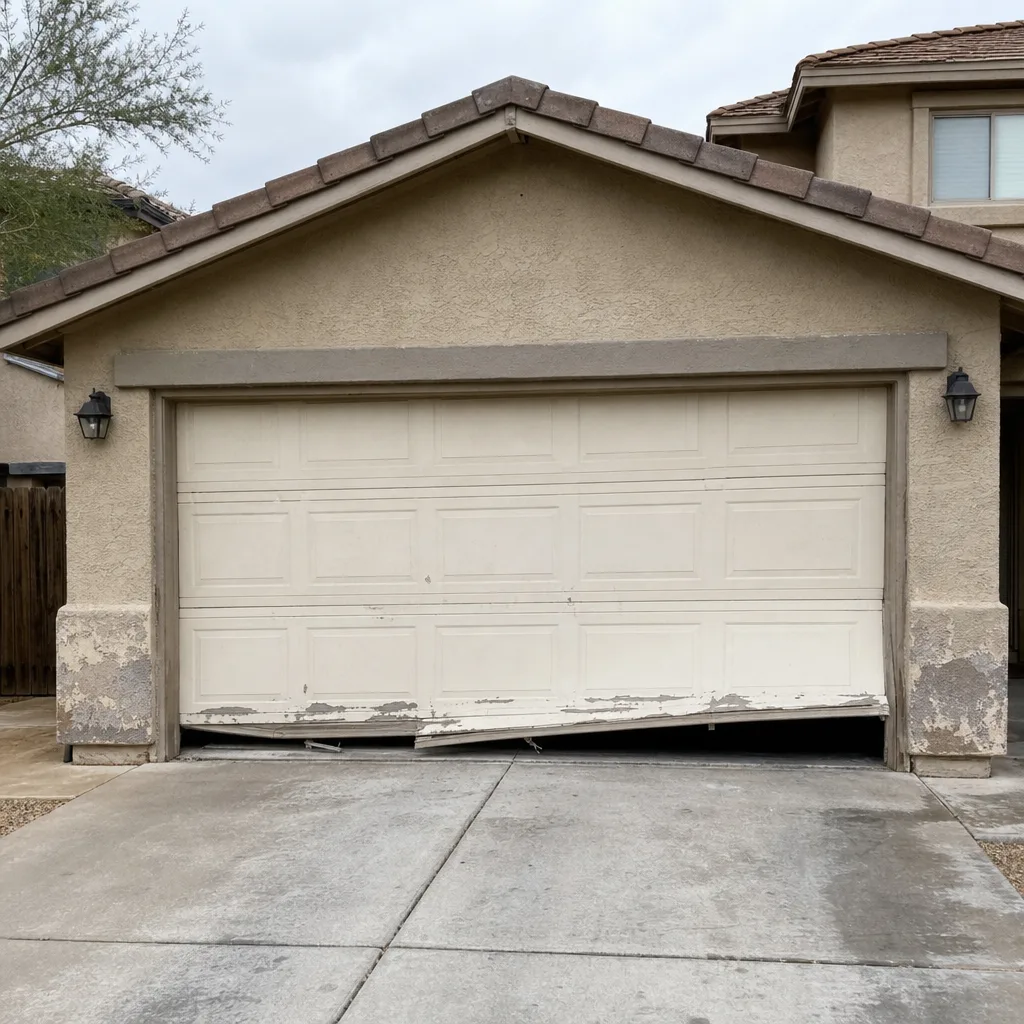 Before
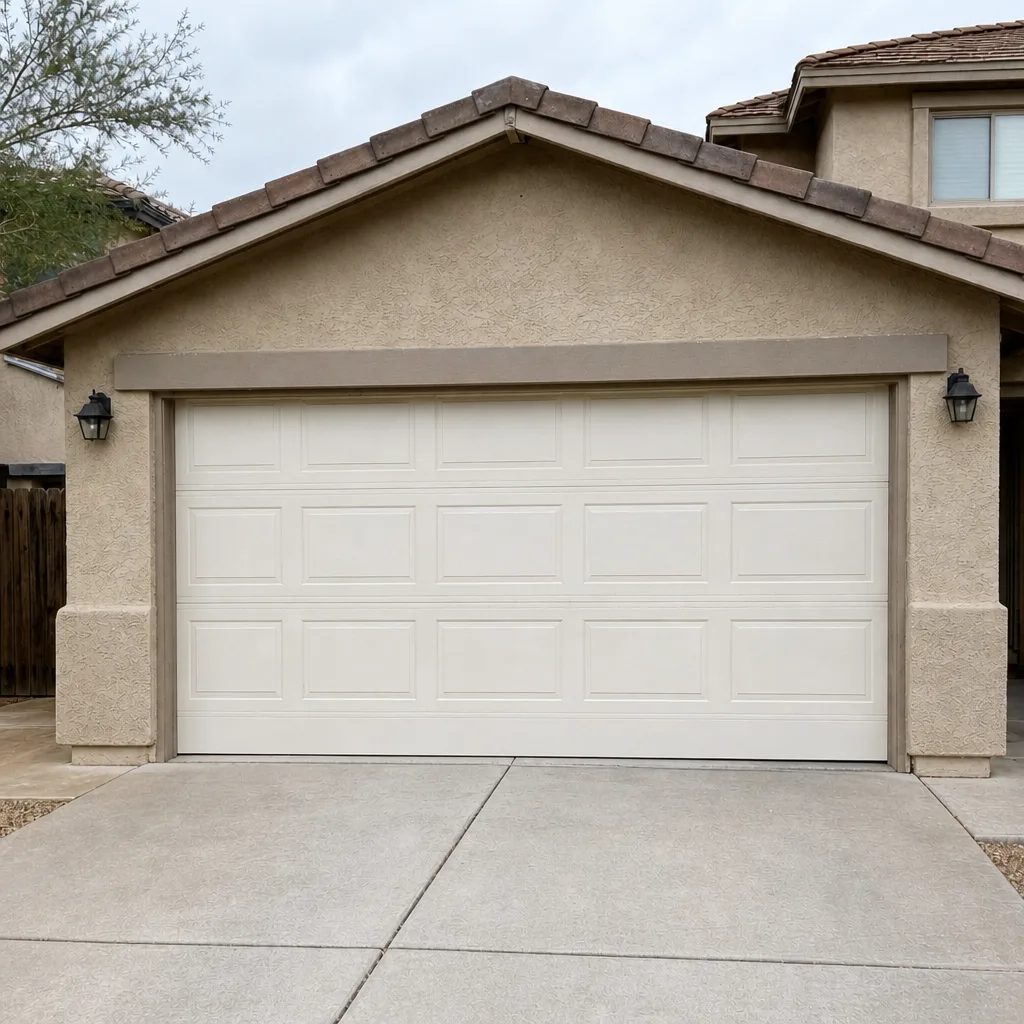 After
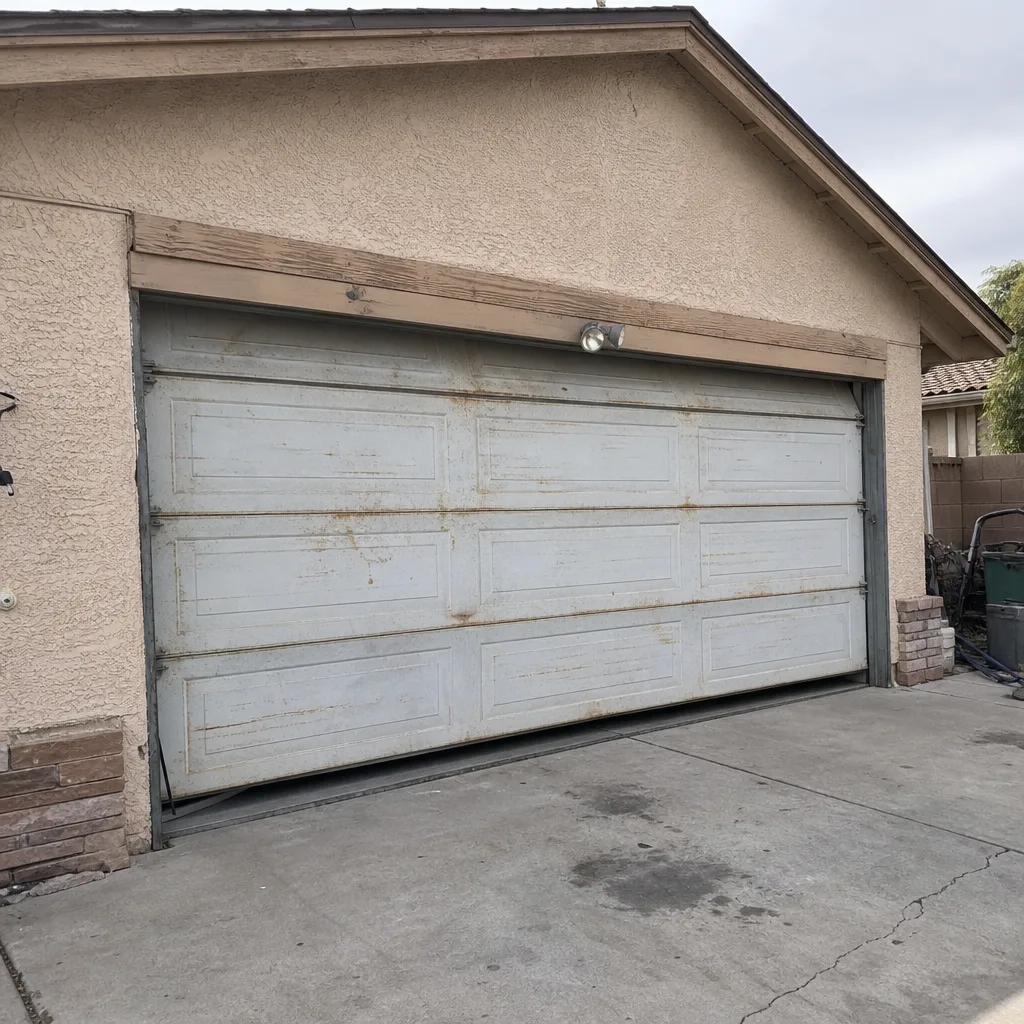 Before
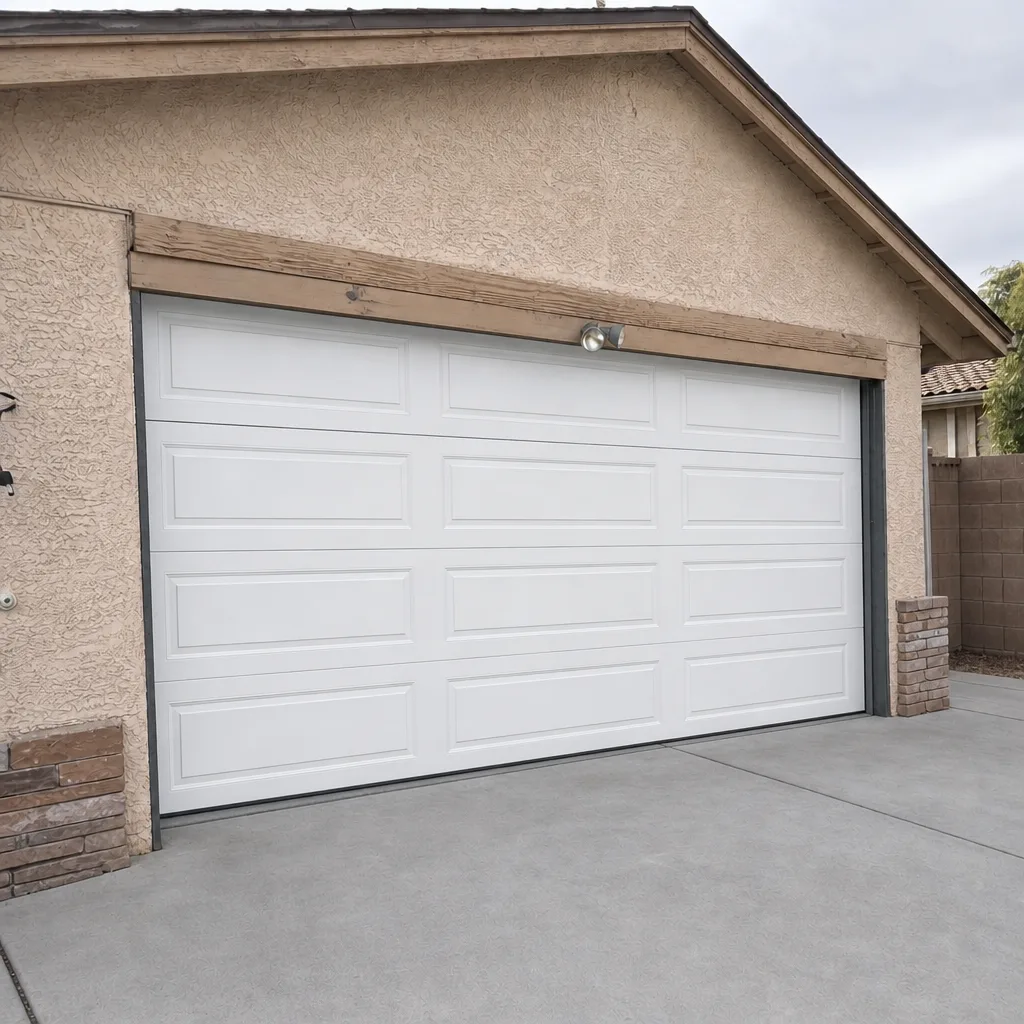 After
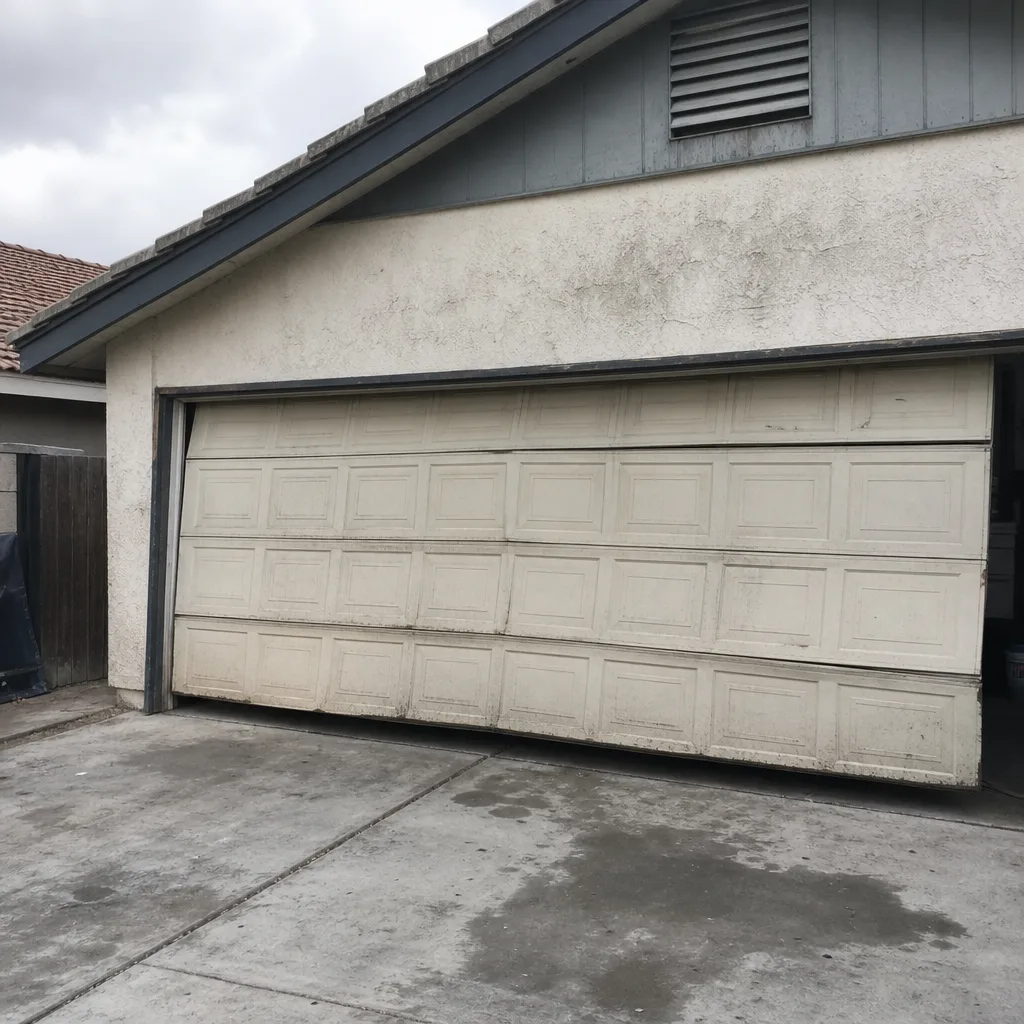 Before
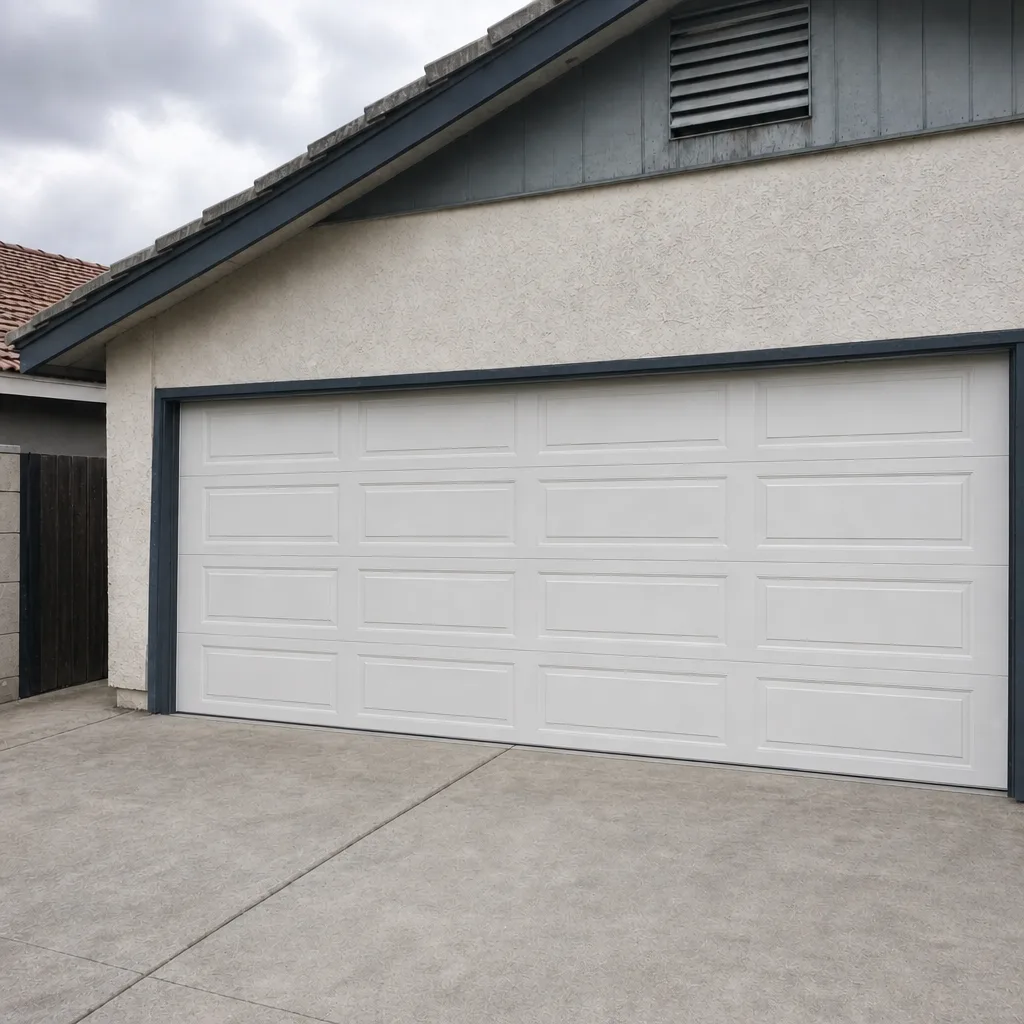 After