
Last updated November 15, 2026
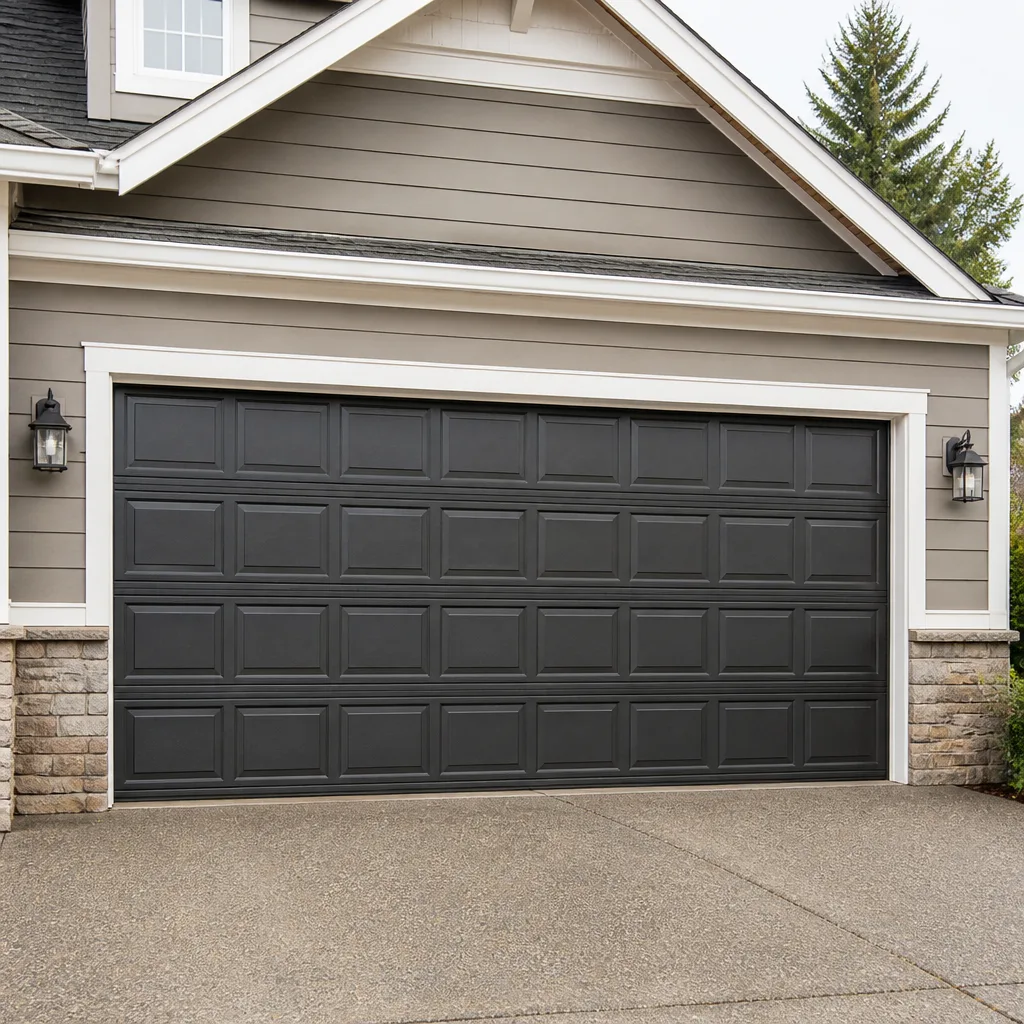 Raised-panel steel
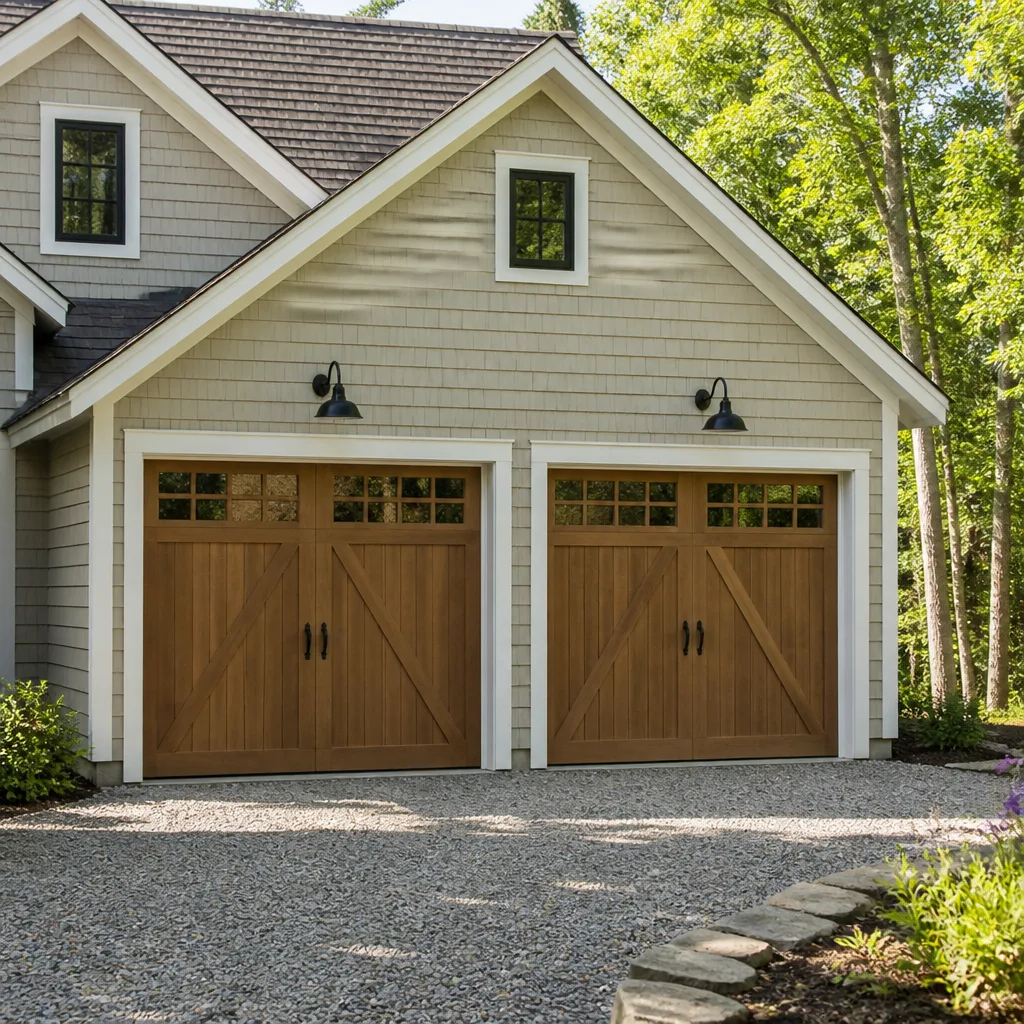 Carriage house
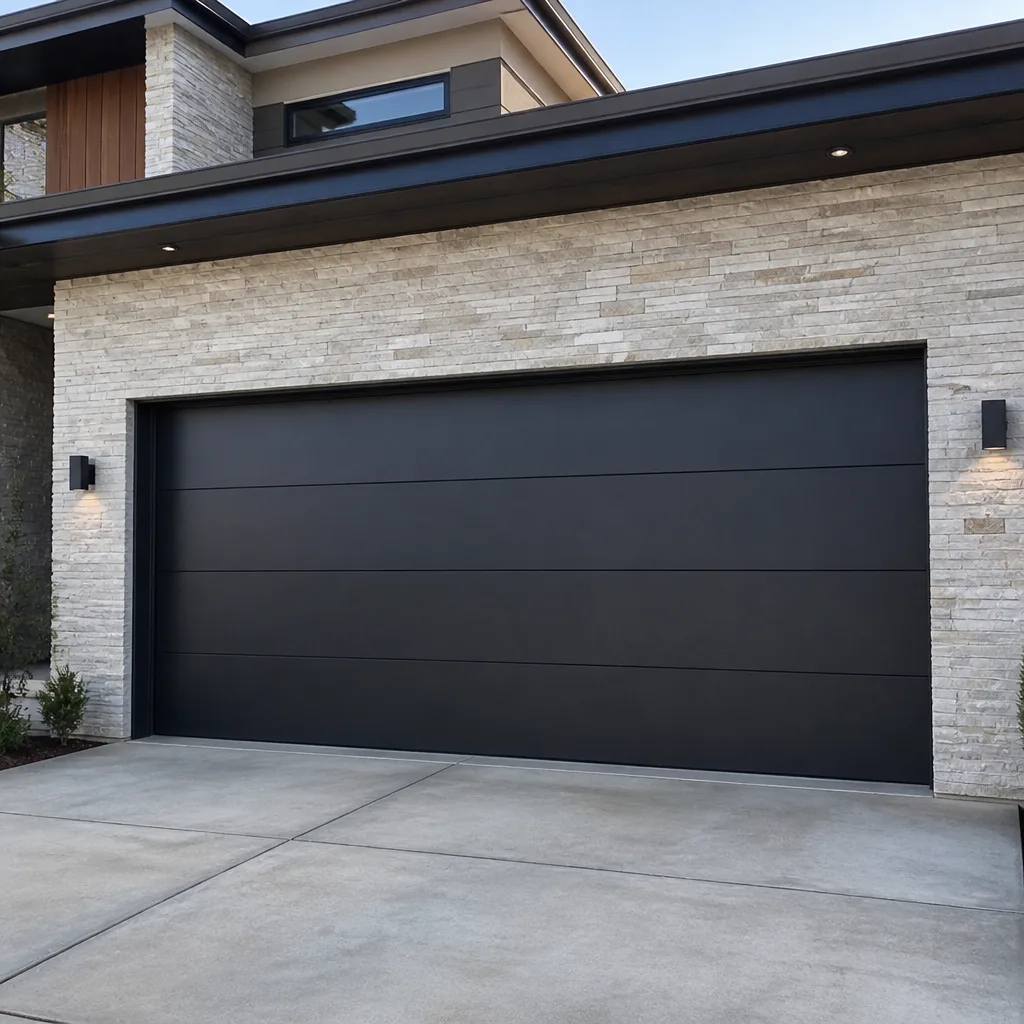 Modern flush
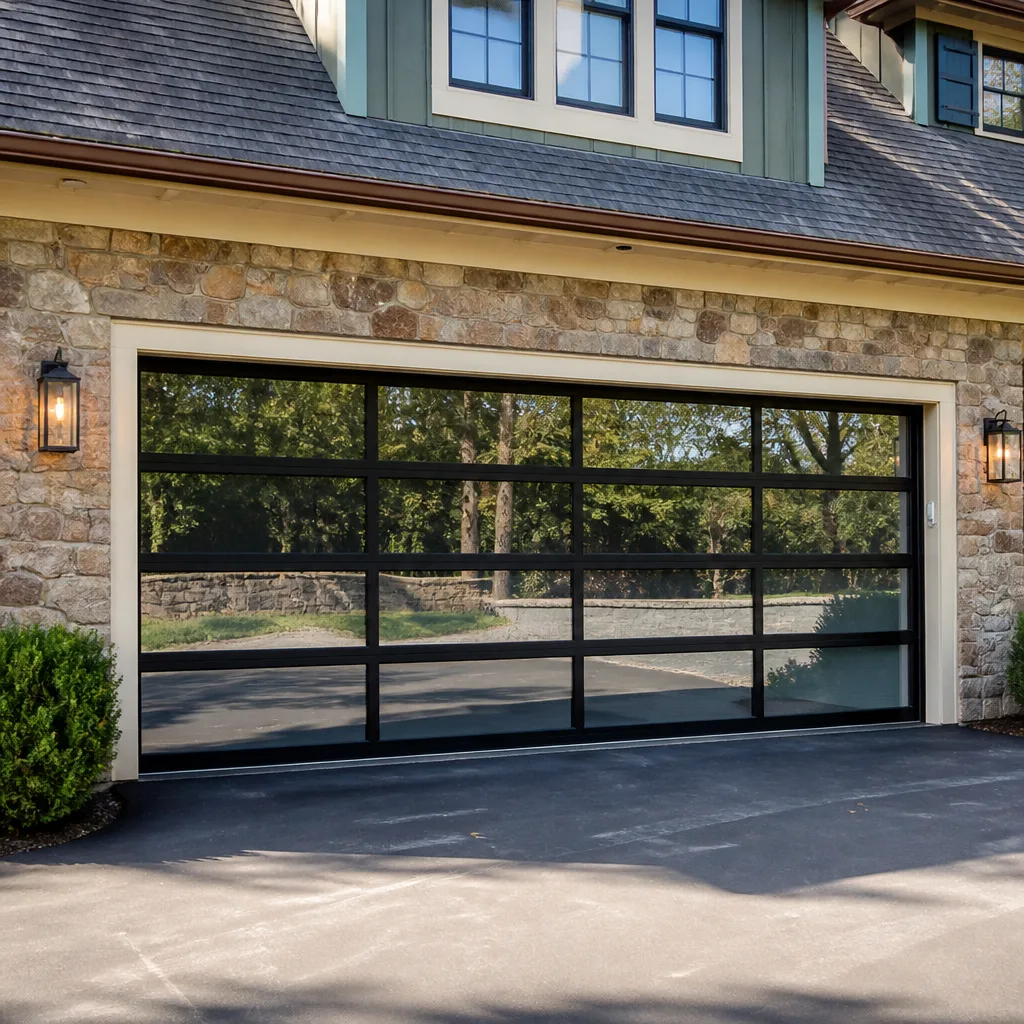 Full-view glass
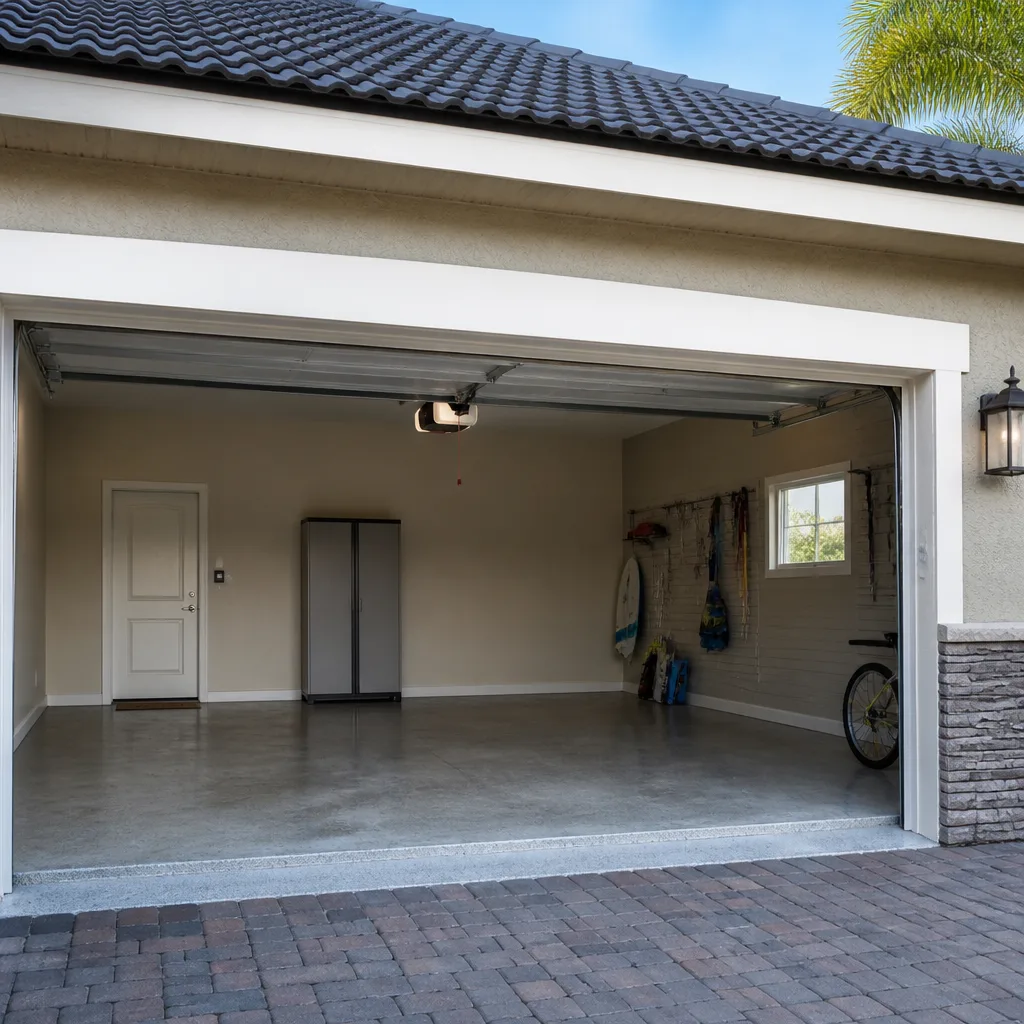 LiftMaster openers
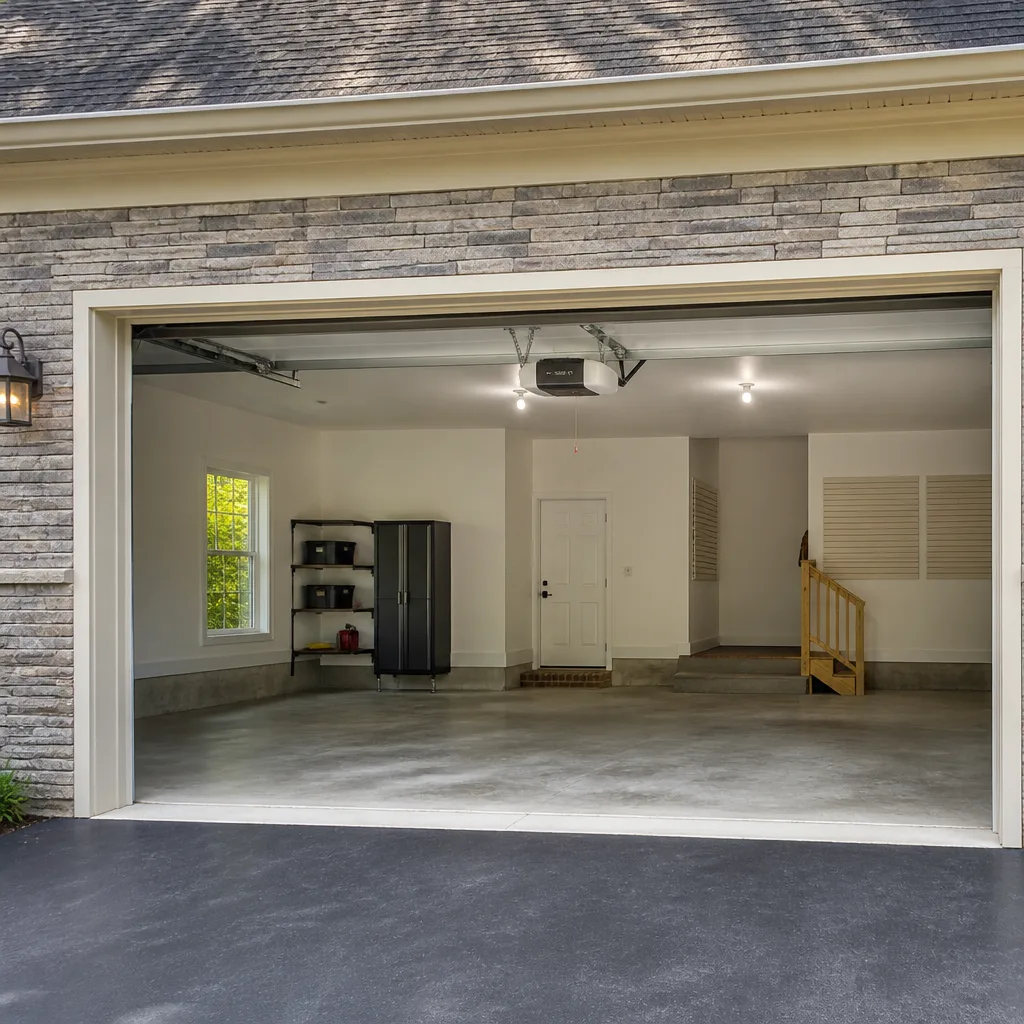 Chamberlain openers
Full 25-point door and opener safety check with every visit - springs, cables, rollers, tracks, and your LiftMaster or Chamberlain opener included
You get a price before we start. It does not change when the pro arrives.
Get your free estimateChoosing the Right Garage Door Brand: A Buyer’s Guide for Avondale
The brand that shows up at the top of every national “best garage door” list got there partly through marketing spend. The brand that holds up best in a 110°F Avondale garage is a different answer, and a technician who works across eight major manufacturers knows the difference. In our experience, homeowners shopping for a new door don’t need a ranking. They need to know which brand’s steel gauge, finish, and parts network actually match the climate and housing stock they live in. This guide covers how the eight major brands perform under sustained desert heat, which ones have metro Phoenix parts on a shelf versus a shipping wait, what “lifetime warranty” really covers, and how your garage’s size and ceiling height narrow the field before brand even enters the conversation. By the end you’ll know how to choose, and what questions to ask before you sign.
Quick Answer
There’s no single best garage door brand for every Avondale home. The right choice depends on three things: how the brand’s steel and finish handle sustained heat, whether its parts are locally stocked in the Phoenix metro, and whether its sizes and weight ratings fit your garage’s footprint. For most Avondale homeowners, a heavier-gauge steel door from Clopay, Amarr, or Wayne Dalton paired with a LiftMaster or Chamberlain opener is a dependable combination, but the sizing and warranty details matter as much as the name on the panel.
Styles & brands we work with
- Raised-panel steel
- Carriage house
- Modern flush
- Full-view glass
- LiftMaster openers
- Chamberlain openers
Table of Contents
- The Eight Brands a Technician Actually Works On
- How Each Brand Performs Under Sustained Arizona Heat
- Parts Availability in the Phoenix Metro
- Warranty Terms Decoded
- Opener Compatibility: Which Doors Pair Cleanly
- The Floor-Plan Factor: Sizing Your Door Brand to Your Garage
- How to Choose: A Step-by-Step Method
- Long-Term Service Cost by Brand Type
The Eight Brands a Technician Actually Works On
We service eight of the most widely installed garage door and opener brands on the market: LiftMaster, Chamberlain, Genie, Clopay, Amarr, Wayne Dalton, Craftsman, and Raynor. That list isn’t a ranking. It’s a working range, and it matters because a technician who recognizes your brand’s tension system, panel construction, and opener logic before the truck pulls up diagnoses faster than one who’s meeting your door for the first time.
The eight split roughly into two groups. LiftMaster, Chamberlain, Genie, and Craftsman are primarily opener platforms (Chamberlain and LiftMaster share engineering lineage, and many Craftsman openers are built on the same chassis). Clopay, Amarr, Wayne Dalton, and Raynor are door manufacturers with distinct panel, track, and spring assemblies. Several brands cross over: Clopay builds doors that pair naturally with LiftMaster openers, and Wayne Dalton sells its own integrated opener systems that change the repair math.
What this means for an Avondale buyer is that “best” is a two-part question. You’re choosing a door and an opener, and they don’t have to come from the same company. A brand-agnostic diagnosis is the whole point. Because we work across competing manufacturers, our recommendation is driven by what your door needs, not by what a single dealer wants to move.
- Openers: LiftMaster, Chamberlain, Genie, Craftsman
- Doors: Clopay, Amarr, Wayne Dalton, Raynor
- Overlap: several doors pair with several openers, and Wayne Dalton offers its own integrated systems
How Each Brand Performs Under Sustained Arizona Heat
Sustained heat is the real stress test in Avondale, and it hits a garage door from three directions at once: the steel itself, the finish on top of it, and the weatherstripping sealing the edges. A closed garage in July can get significantly hotter than the outdoor air, and that heat doesn’t let up overnight the way it does in most of the country.
We compare brands on three heat-related points:
- Steel gauge variation. Gauge is a thickness measure, and the lower the number, the thicker the steel. Thinner panels dent more readily and warp under heat cycling. Heavier-gauge doors from the door-focused brands (Clopay, Amarr, Wayne Dalton, Raynor) generally resist heat deformation better than the value-tier panels, but gauge varies within each brand’s product line, so ask for the specific gauge on the model you’re buying, not just the brand name.
- Finish adhesion. Sun and heat break down coatings over time. Some finishes hold up better than others, but what really matters is whether the finish is backed by warranty (more on that below) and whether the door gets cleaned and maintained. A finish failure almost always starts at an edge, a scratch, or an unsealed seam.
- Weatherstripping durability. The rubber or vinyl seal around the perimeter and the bottom threshold sees constant heat and UV. It’s the cheapest part on the door and the first to fail. A hardened, cracked seal lets dust and hot air in and lets cooled air out – a small repair that protects the door and the space behind it.
Raynor panels are built for repeated cycling and heavy use, which appeals to homeowners with an RV-height door or a busy household. Wayne Dalton’s steel-backed foam panels insulate well, but its integrated openers behave differently from a standalone unit, which affects how a repair is approached. In our experience, the brand matters less than the gauge, the finish warranty, and the seal condition. A well-built door with a failing seal and no maintenance will underperform a mid-tier door that gets looked after.
If your door is already showing heat-related wear in Avondale, a sharp inspection catches secondary issues before they become emergency calls. That’s the garage door repair conversation we have most often in summer.
Parts Availability in the Phoenix Metro
A brand’s catalog means nothing when a spring snaps and the replacement is on a truck from out of state. Parts availability is the quiet factor that separates a same-day fix from a week of waiting, and it varies by brand in the Phoenix metro. Some manufacturers have local distributor stock in the Valley; others require multi-day shipping for common components like springs, rollers, hinges, and opener circuit boards.
Here’s the practical hierarchy we’d use when choosing a brand in Avondale:
- Check whether common parts are locally stocked. Springs are the big one – they’re the most frequently replaced component and the hardest to wait on. Ask your installer whether the brand’s springs and hardware are stocked in the Phoenix metro or special-ordered.
- Check opener parts, not just door parts. LiftMaster and Chamberlain have broad metro presence, so opener parts and logic boards are generally easier to source quickly than some less common systems. Genie and Craftsman are widely supported too, though Craftsman’s retail history means parts often come through aftermarket channels.
- Ask about lead time on proprietary parts. Brand-specific tracks, brackets, and integrated opener components can’t be swapped across brands. If a proprietary part is back-ordered, your door waits. A brand with a deep local parts network shortens that wait.
- Confirm before you buy, not after it breaks. This is the single most useful question in the showroom. A brand whose parts ship in two days is a fine choice – as long as you know it going in.
Because we work across all eight brands and treat opener repair as its own specialty, we can usually identify whether a failure is a stocked part or a special order on the first call. That clarity is what keeps a repair window short. It’s also the reason we tell Avondale homeowners to weigh parts logistics as heavily as the brand name – see our notes on Avondale for the local picture.
Warranty Terms Decoded
“Lifetime warranty” is a phrase that sells doors and confuses buyers. It rarely means what people assume. Most garage door warranties are layered: the door panels, the finish, the springs, the hardware, and the opener are each covered on different terms, by different lengths, and with different exclusions. Understanding the layers before you buy saves you a nasty surprise at the repair stage.
The warranties that matter most in Avondale:
- Finish warranty. This covers the coating against peeling, cracking, or fading. In a high-heat, high-UV climate, it’s the layer most likely to be tested. Some brands back the finish for decades; others offer a much shorter window. Read what the finish warranty actually promises and what voids it (typically improper cleaning, painting over the finish, or damage from impact).
- Spring warranty. Springs are the hardest-working part of the door, and heat accelerates fatigue. Some manufacturers offer long spring warranties; others treat springs as a wear item with limited coverage. A “lifetime” door warranty that excludes springs leaves the most failure-prone component exposed.
- Hardware and panel warranty. Hinges, rollers, and tracks are usually covered for shorter periods than the panels. Dent and impact damage are almost never covered, no matter how long the panel warranty runs.
- Opener warranty. Opener coverage is separate from door coverage and usually shorter on the moving parts (gears, belts, boards) than on the motor itself.
Our advice is simple: ask for all four documents – panel, finish, spring, and opener – and read the exclusions before you decide. A brand with a modest but honest warranty often beats one with a flashy headline and a long exclusion list. Most cities also require a permit for garage door replacement, so confirm the process with your city’s building department as part of the same conversation. If you’re sorting through an aging system and want to know what’s still serviceable, a garage door opener repair assessment alongside a warranty review tells you whether to repair or replace.
Opener Compatibility: Which Doors Pair Cleanly
Door and opener compatibility is where buyers get blindsided. A door can be perfect and an opener can be perfect, and the combination can still create friction – sometimes literally, sometimes in the smart-home integration, and sometimes at the point of repair, because a proprietary opener forces proprietary parts.
A simple compatibility matrix by pairing type:
- Clean pairings (independent opens) – Clopay or Amarr doors with LiftMaster or Chamberlain openers. Standard track and torsion assemblies, widely supported parts, and straightforward smart-opener integration. This is the combination that creates the fewest hiccups down the road.
- Clean pairings with brand-loyal logic – Raynor doors with major standalone openers, or Genie openers with most independent doors. Solid, serviceable, with broad parts support.
- Integrated systems (watch the parts) – Wayne Dalton’s own integrated openers. The door and opener are designed as a unit, which can be elegant, but a failure means brand-specific repairs. Worth it if you understand the trade-off.
- Legacy retail systems – Craftsman openers, many built on shared chassis with other platforms. Parts are often available through aftermarket channels, so a technician who knows the lineage can usually source what’s needed.
Two questions eliminate most compatibility problems. First, will the door’s weight and size fall within the opener’s rated capacity? Second, if the opener fails, are the parts stocked locally? Answer both before installation and the integration becomes your installer’s problem solved, not your problem inherited. Opener repair is its own skill set, and it’s a distinct service for us rather than an afterthought bolted onto door work.
The Floor-Plan Factor: Sizing Your Door Brand to Your Garage
Before brand selection, the size of your garage narrows the field. Avondale’s housing stock includes a lot of two-car garages, plus a meaningful share of tandem garages and oversized RV-height bays – the kinds of layouts where a standard door size doesn’t fit. Each brand offers different size ranges and weight ratings, so the floor plan comes before the logo.
Work through it in this order:
- Measure the opening. Width and height, exactly, not approximately. Standard two-car openings and RV-height openings are different animals, and a brand that doesn’t make your size can’t be your brand.
- Measure the headroom. Low-headroom garages need low-clearance track and spring options. Not every brand’s standard kit fits, and this is where a door choice can quietly rule out the opener you wanted.
- Weigh the door’s rated load. A heavier door needs an opener rated for the weight. Mismatch here is the cause of a lot of premature opener failure in Avondale’s larger garages.
- Match brand to the constraint. If size is your tightest limit, choose from brands that actually build your dimensions with a locally supported opener pairing. If size isn’t a constraint, weigh gauge and finish warranty next.
A tandem garage or an RV bay is exactly the situation where brand-agnostic advice pays off. A single-brand dealer can only sell what they carry. We can tell you whether Wayne Dalton, Amarr, or another brand has the size and rating combo your floor plan needs, and pair it with an opener that fits – before you commit.
How to Choose: A Step-by-Step Method
Put the factors together in a defensible order. This is the method we’d use ourselves if we were buying a door in Avondale tomorrow:
- Measure your opening, headroom, and door weight. These constraints come first and eliminate brands that can’t serve your garage.
- Compare steel gauge within each brand’s product line. Ask for the specific model’s gauge, not a brand-wide claim. Heavier is better in sustained heat.
- Check parts availability in the Phoenix metro. Focus on springs, rollers, hinges, and opener electronics. Local stock means shorter repairs.
- Read all four warranty layers. Panel, finish, spring, and opener. Note what’s excluded.
- Verify opener compatibility. Weight rating, clearance, and parts sourcing for the opener you want.
- Confirm the permit process with your city’s building department. Replacement usually requires one.
- Get a free measure and a written price before you order. The written estimate sets the final price; nothing starts until you’ve agreed to it.
Do those seven steps and the brand decision largely makes itself. You don’t need a national ranking – you need a fit for your garage, your climate, and your repair horizon. Our technicians have up to 15 years of experience across these eight brands, and the pattern holds: sizing and parts availability decide more outcomes than marketing ever does. For the full service picture, start at Hawk Garage Door Repair.
Long-Term Service Cost by Brand Type
Ownership cost is where the brand choice keeps paying off or keeps costing you. The right lens isn’t the sticker price of the door – it’s what you’ll spend over the door’s life on springs, rollers, opener parts, and seals. Brand type changes that math in predictable ways.
Three tiers, roughly:
- Door-focused brands with deep local parts support (Clopay, Amarr, Wayne Dalton, Raynor). Higher upfront, but common parts are more likely stocked and repairs move faster. Springs and hardware are easier to match.
- Opener platforms with broad metro presence (LiftMaster, Chamberlain, Genie, Craftsman). Opener parts and boards are generally easier to source, which shortens repair windows when a moving part fails.
- Integrated or legacy systems (Wayne Dalton integrated openers, older Craftsman units). Great when they work, but proprietary parts can extend a repair window and raise cost when they don’t.
None of these is a bad tier – they’re different trade-offs. The point is to choose with your eyes open, which is exactly what a multi-brand specialist can help you do. Repair pricing is set per job by a written estimate, and we don’t quote you a number before we’ve diagnosed the door. Call (877) 824-4815 for a free estimate if you want your situation sorted out directly.
Common Mistakes to Avoid
- Buying the brand from the top of a national list. Those lists reward marketing spend as much as build quality. Rank against your garage’s size, your climate, and local parts, not against an editorial ranking.
- Comparing brands by name instead of by gauge. Gauge varies within a single brand’s product line. Ask for the specific model’s gauge and finish warranty, not a brand-wide claim.
- Ignoring the finish and spring warranty layers. A “lifetime” door warranty that excludes springs leaves the most failure-prone part exposed. Read all four documents.
- Skipping the parts-availability question. A brand with no local stock turns a one-day spring fix into a multi-day wait. Confirm before you buy.
- Mismatching the opener to the door’s weight. A heavy door on an underrated opener is a premature failure. Check the rating, not just the brand.
- Forgetting the permit. Most cities require one for door replacement. Confirm with your building department rather than assuming.
- Treating the install as the finish line. Weatherstripping and springs are wear items. A door with a hardened seal and tired springs will underperform a mid-tier door that gets a periodic check.
See the difference
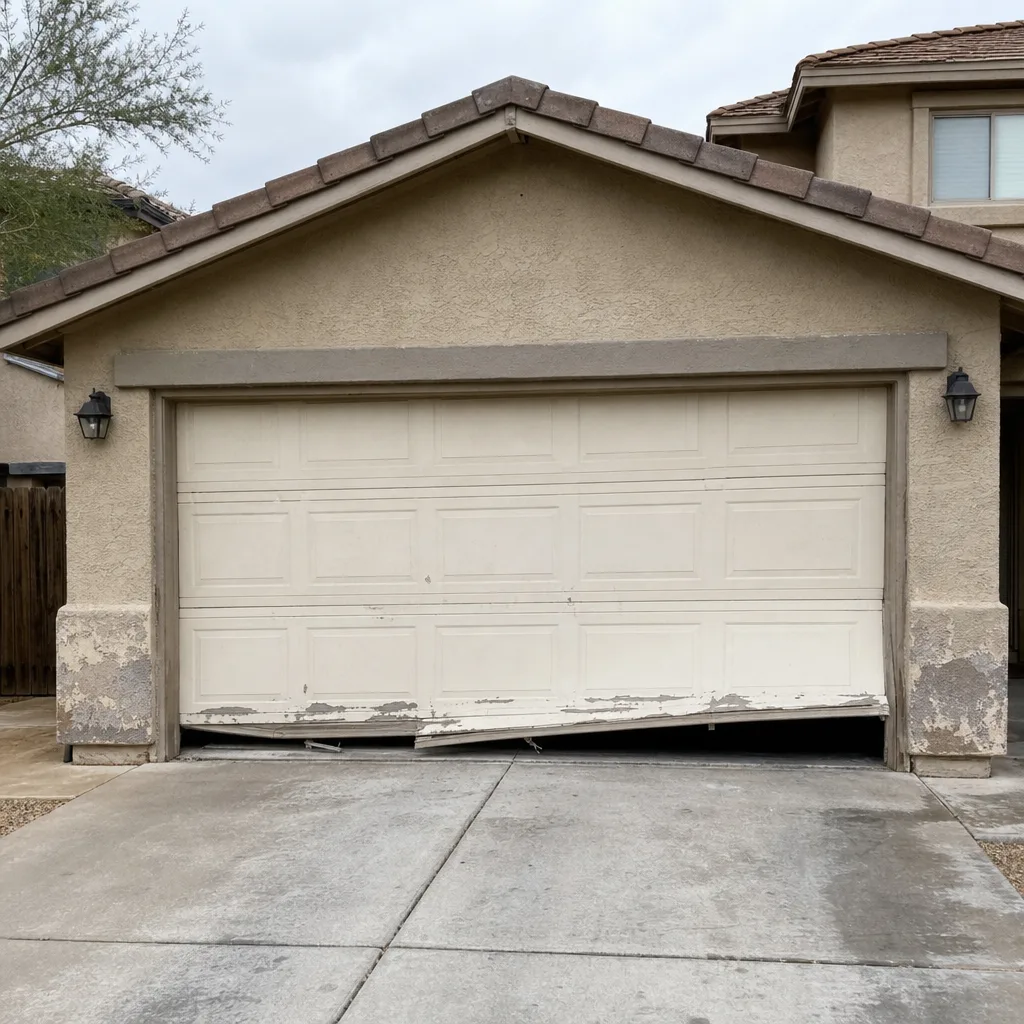 Before
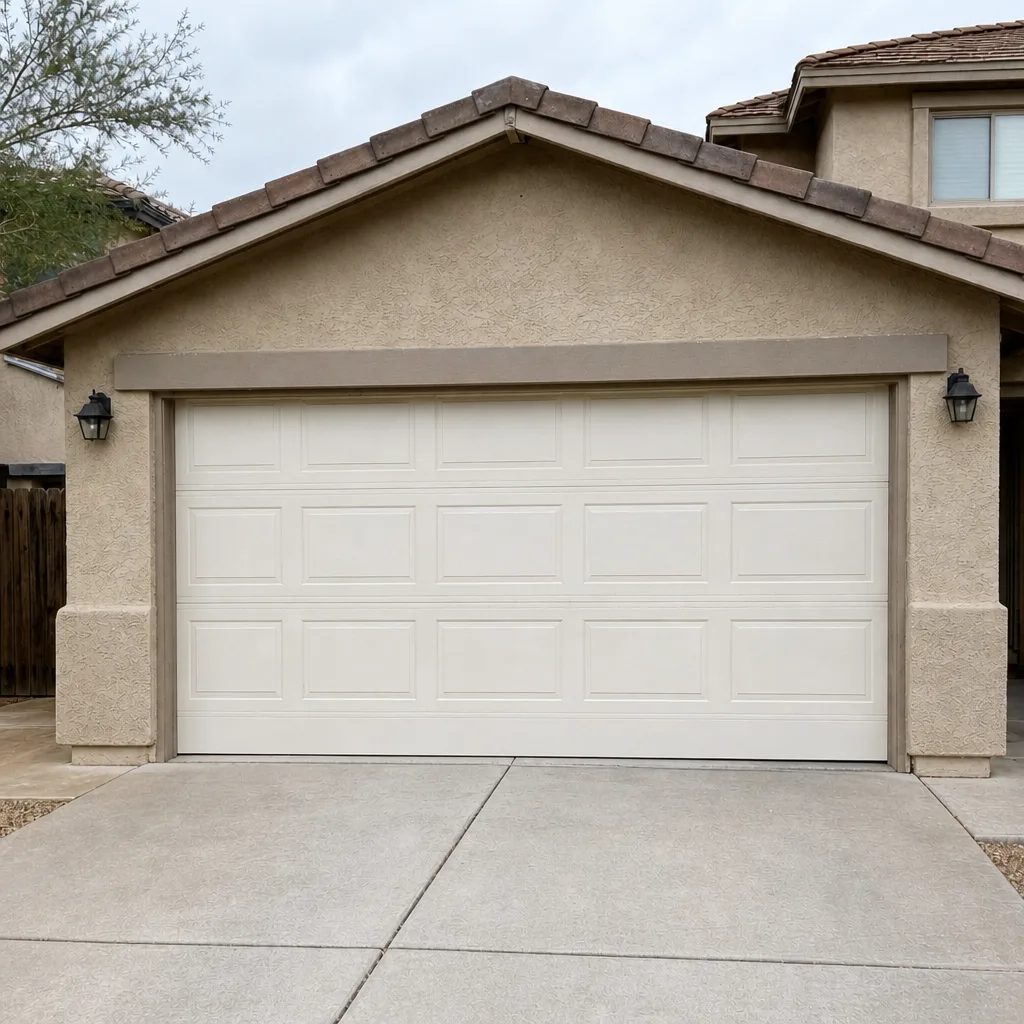 After
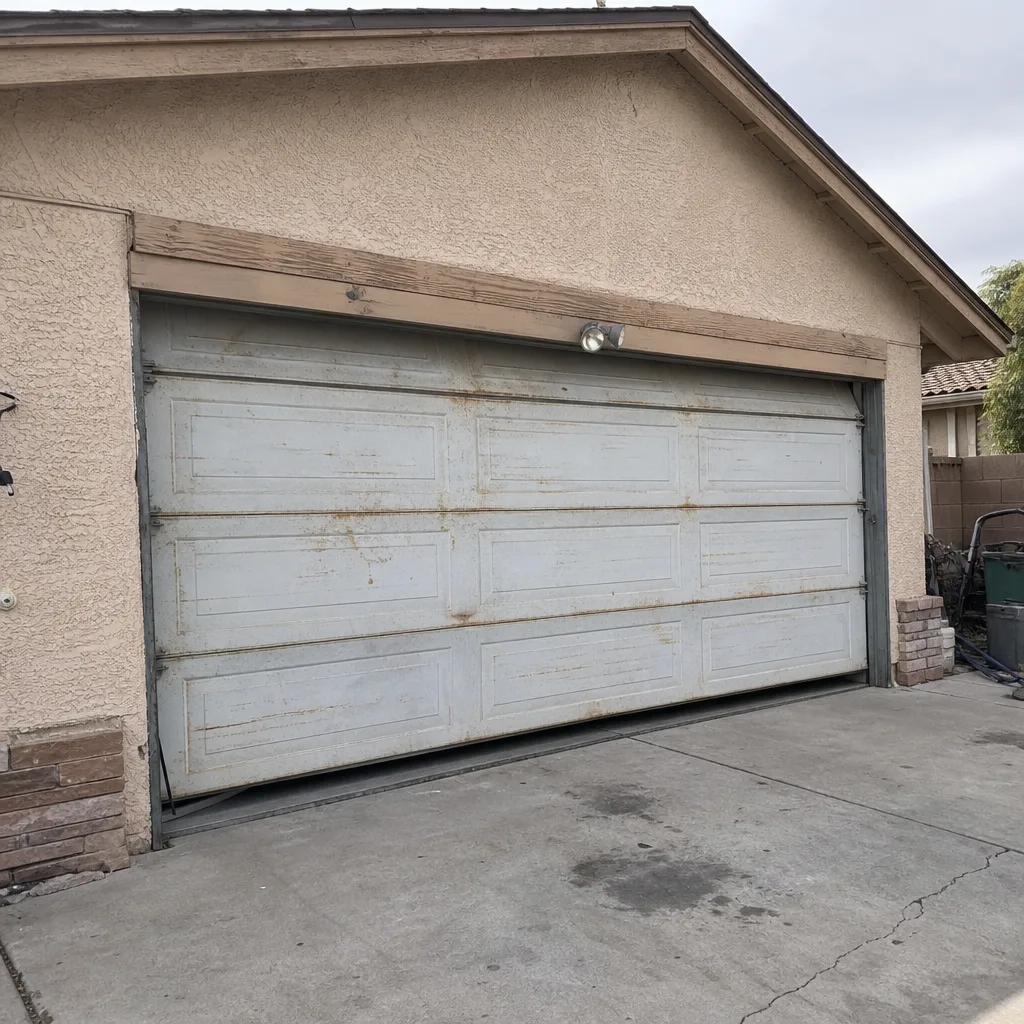 Before
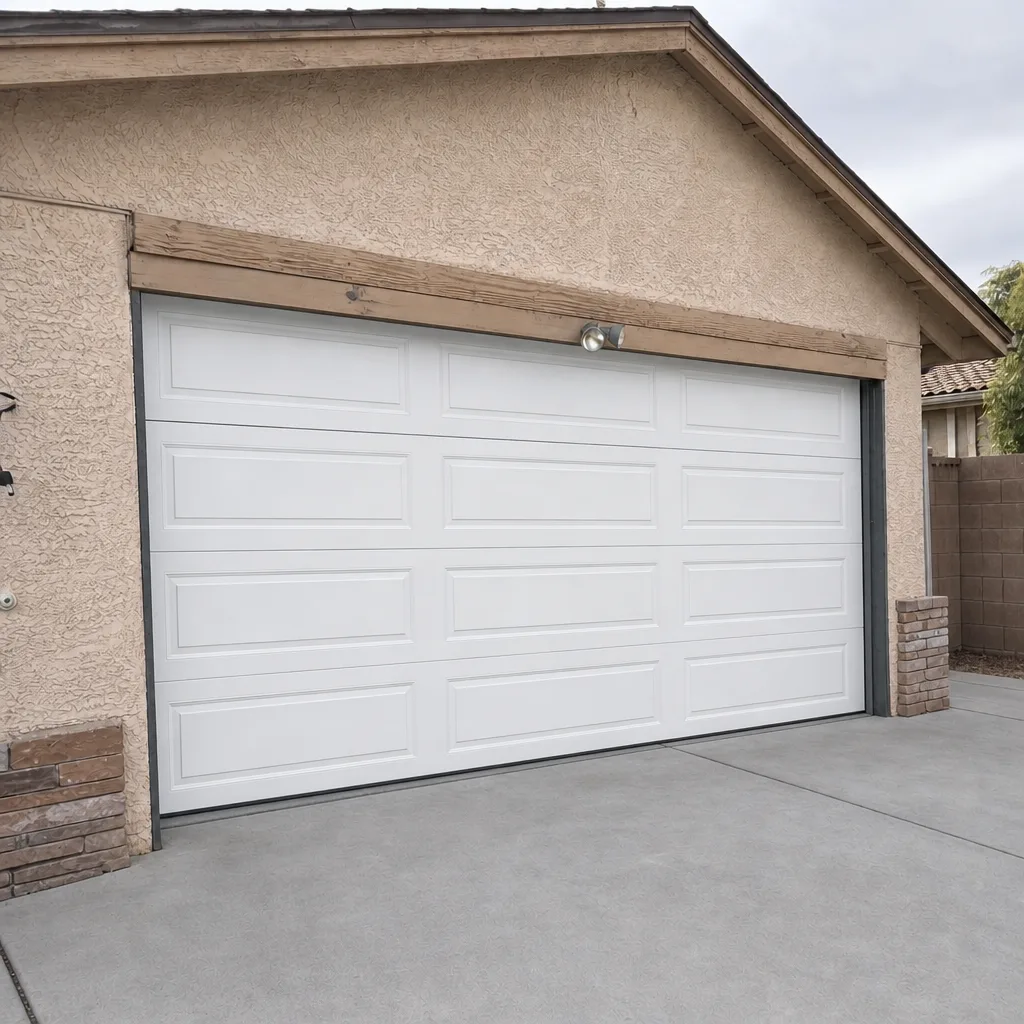 After
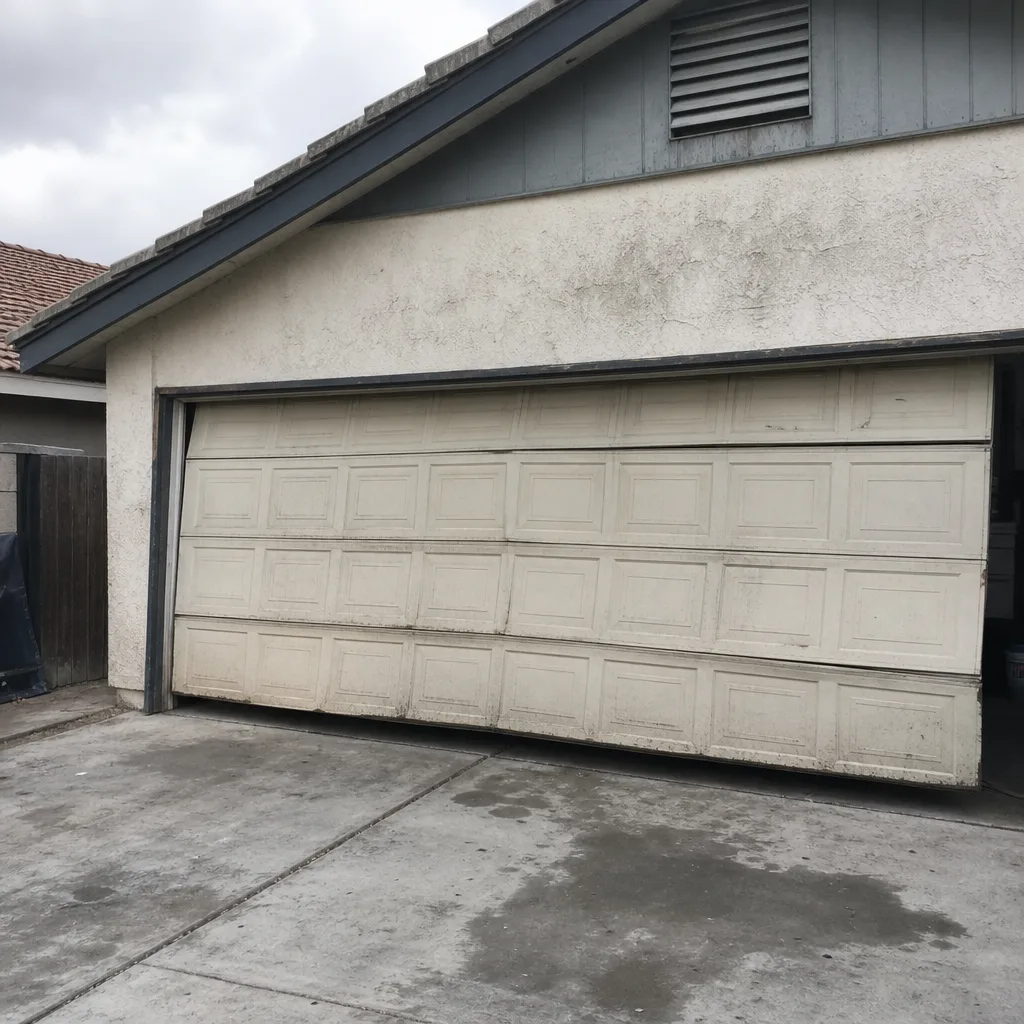 Before
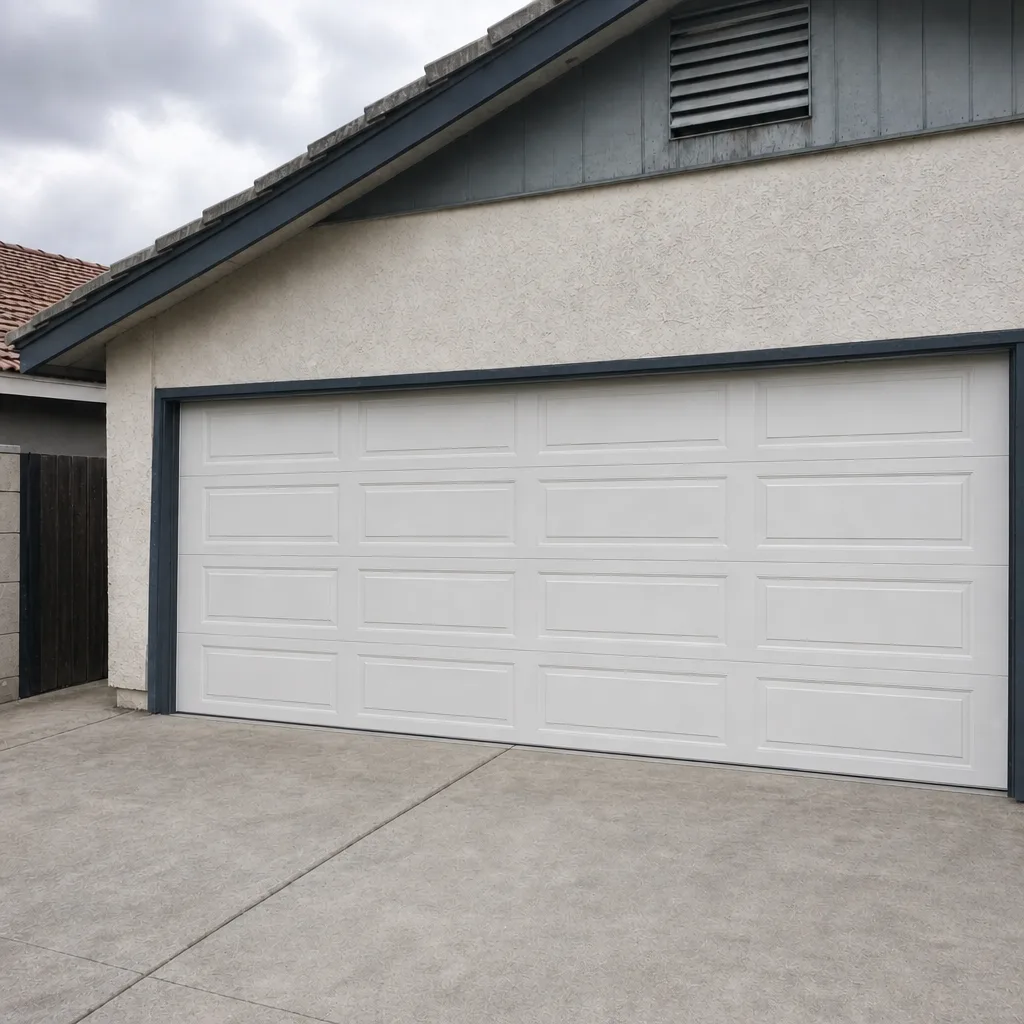 After
When to Call a Professional
Some decisions need eyes on the door. Call a technician if any of these are true: you can’t confirm the headroom or clearance for the door and opener you want; your garage is tandem or RV-height and standard sizing doesn’t fit; your current door’s springs are showing fatigue (slow, sagging, or noisy travel); the opener motor runs but the door doesn’t; or you’re weighing repair against replacement and need an honest read. Torsion springs are under serious tension and can fail violently, and opener wiring and electrical components carry a real risk – those are jobs for a trained professional, not a weekend project. Hawk Garage Door Repair offers free estimates in Avondale. Call (877) 824-4815. We answer 24/7, with fast dispatch from 7am to 7pm, Sunday through Friday, closed Saturday.
Frequently Asked Questions
There isn’t one best brand for every Avondale home. The right brand depends on your garage’s size and headroom, the model’s steel gauge and finish warranty, and whether its parts are locally stocked in the Phoenix metro. For many homes, a heavier-gauge door from Clopay, Amarr, or Wayne Dalton paired with a LiftMaster or Chamberlain opener is a dependable combination. Call (877) 824-4815 for a free estimate tailored to your garage.
We service eight major brands: LiftMaster, Chamberlain, Genie, Clopay, Amarr, Wayne Dalton, Craftsman, and Raynor. That spans the most widely installed door and opener systems in the market. We don’t claim compatibility with brands outside that list. Call (877) 824-4815 to confirm your system.
Yes. Sustained heat stresses the steel, the finish, and the weatherstripping, and brands differ in steel gauge and finish durability. Heavier-gauge panels resist deformation better, and finish warranties vary in what they cover. Ask for the specific model’s gauge and warranty terms. Call (877) 824-4815 for a free assessment of your door.
Rarely in the way buyers expect. Most “lifetime” warranties cover panels for a long period but exclude springs, wear items, and impact damage, and finish coverage is usually a separate term. Ask for the panel, finish, spring, and opener documents and read the exclusions. Call (877) 824-4815 if you want a warranty reviewed against your current door.
Not any, but most combinations work cleanly when two things line up: the door’s weight and size fall within the opener’s rated capacity, and the opener’s parts are available locally. Clopay or Amarr doors with LiftMaster or Chamberlain openers are a low-friction pairing. Proprietary integrated systems require brand-specific parts. Call (877) 824-4815 for guidance.
Start with dimensions and the opener’s weight rating, then narrow the brand field to ones that build your size and support a local opener pairing. Tandem and RV-height bays rule out many standard door kits. Measure the opening, the headroom, and the door’s rated load before you look at brands. Call (877) 824-4815 and we’ll help you sort the fit.
The Bottom Line
The best garage door brand for your Avondale home is the one that fits your floor plan, holds up in sustained heat, has parts stocked in the Phoenix metro, and has a warranty you’ve actually read. Marketing rankings answer none of those questions. Steel gauge, finish and spring warranty terms, local parts availability, and clean opener pairing do. Measure your opening and headroom first, weigh gauge and warranty next, confirm parts stock and the permit process, and get a free measure and written price before you order. If you’d rather have a technician sort it out with you, we service eight major brands and can tell you what’s wrong before we tell you the price.
Call (877) 824-4815 for a free estimate. We answer 24/7, with fast dispatch from 7am to 7pm, Sunday through Friday, closed Saturday – and nothing starts until you’ve agreed to the written price.
Written by the team at Hawk Garage Door Repair.