
Last updated November 15, 2026
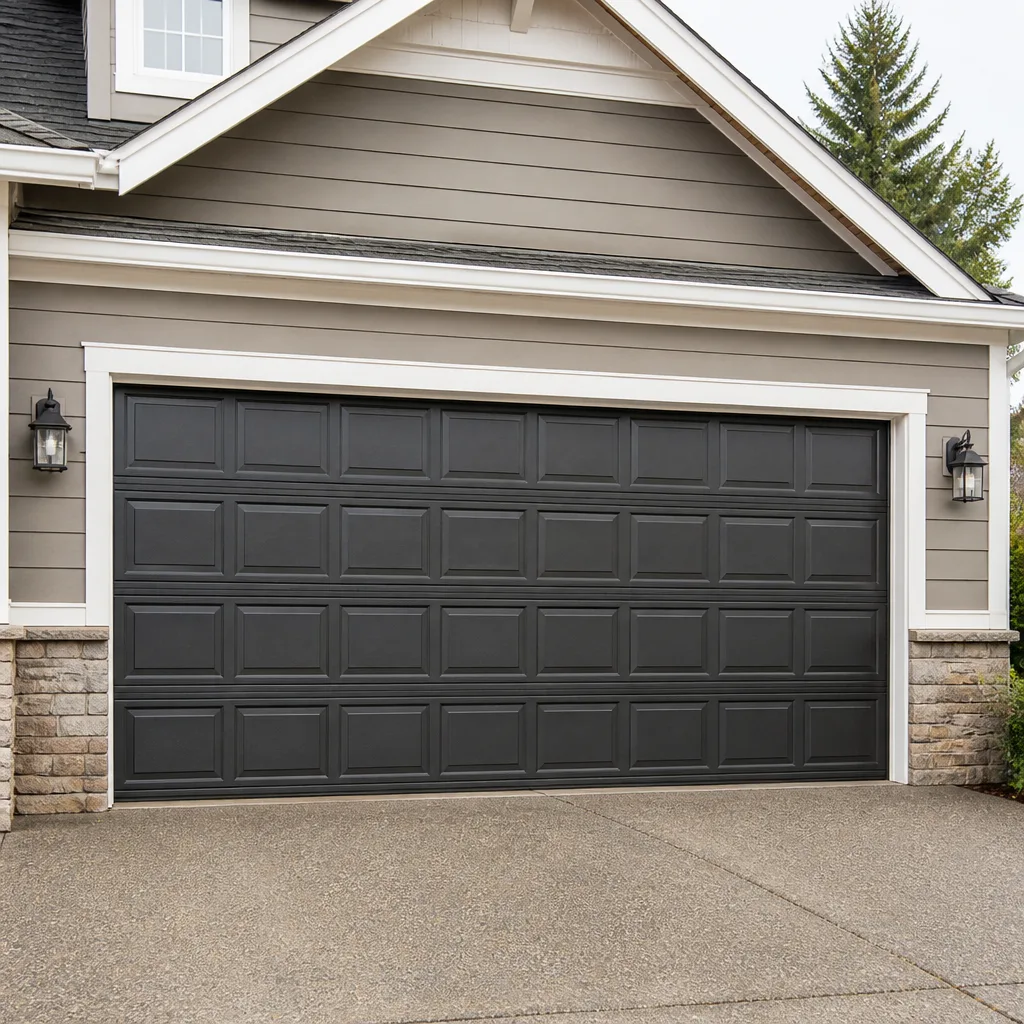 Raised-panel steel
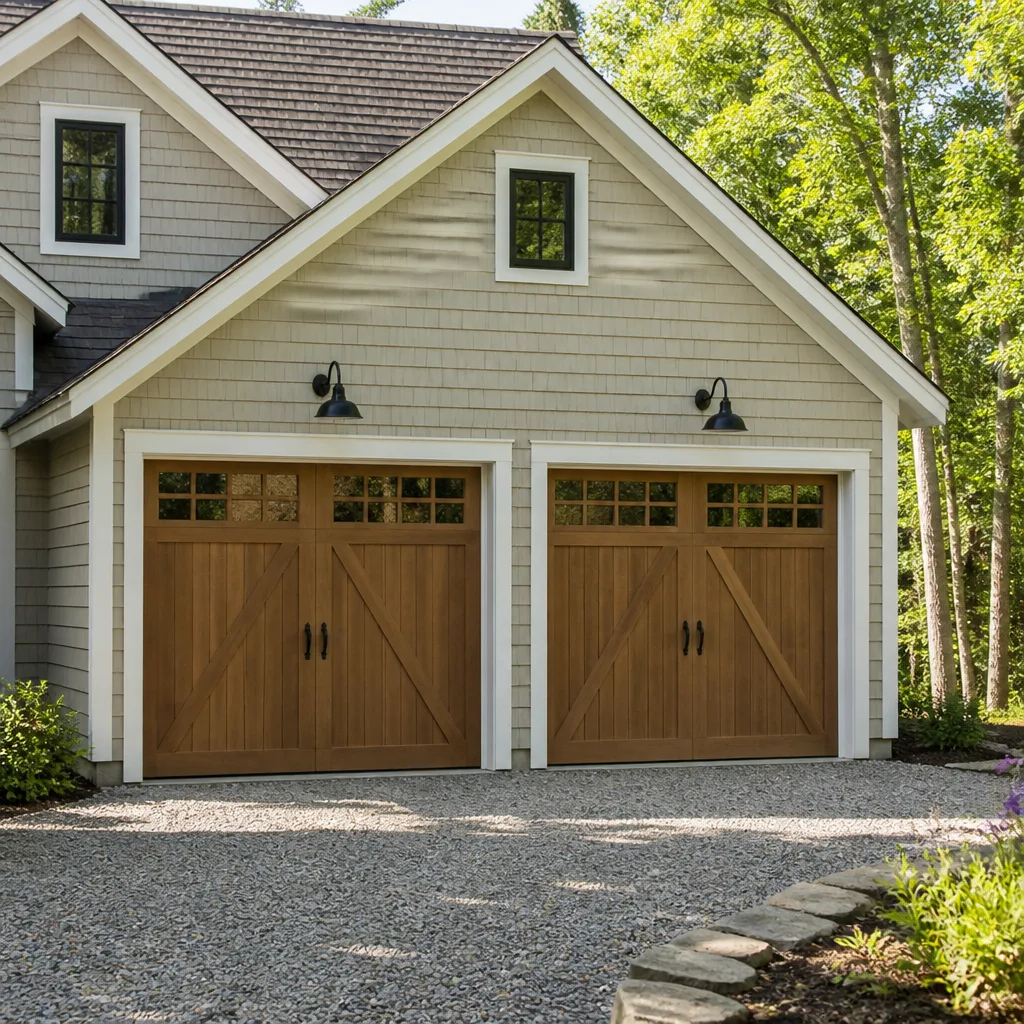 Carriage house
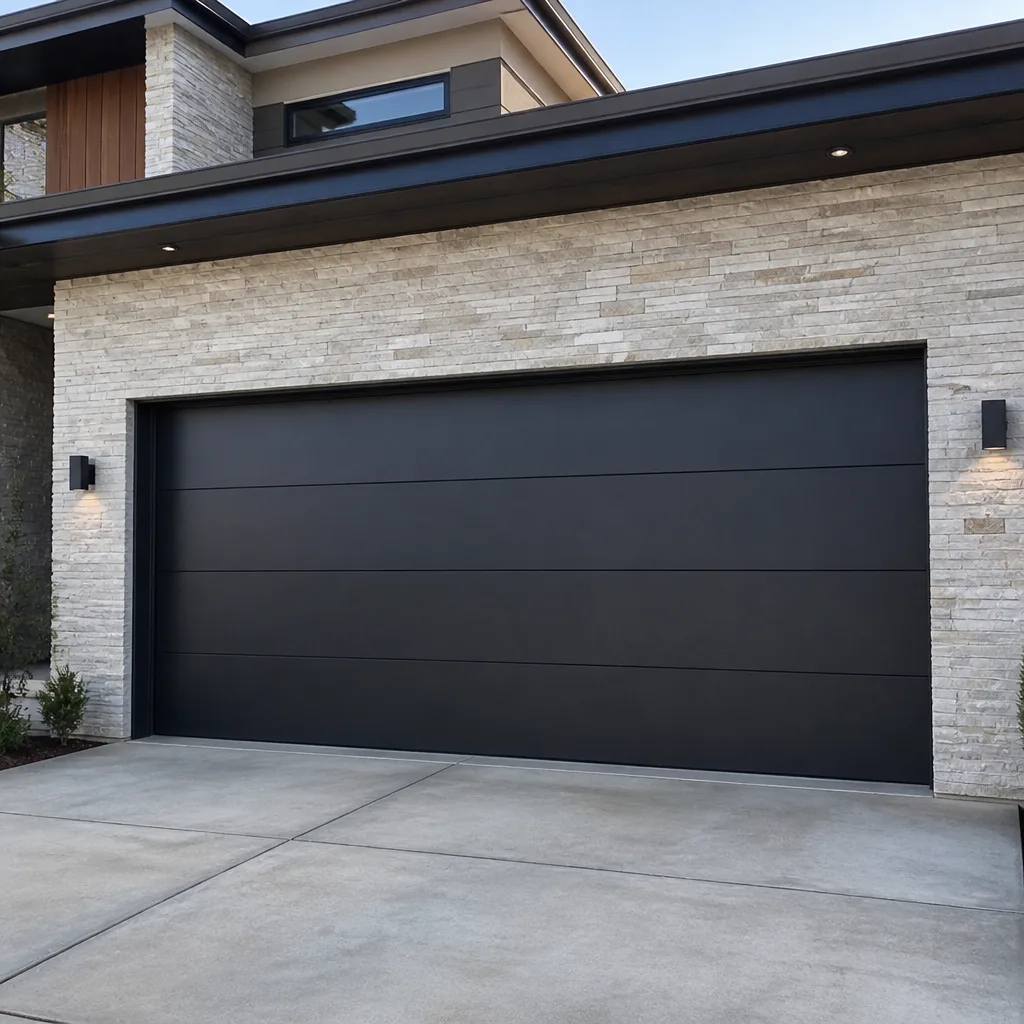 Modern flush
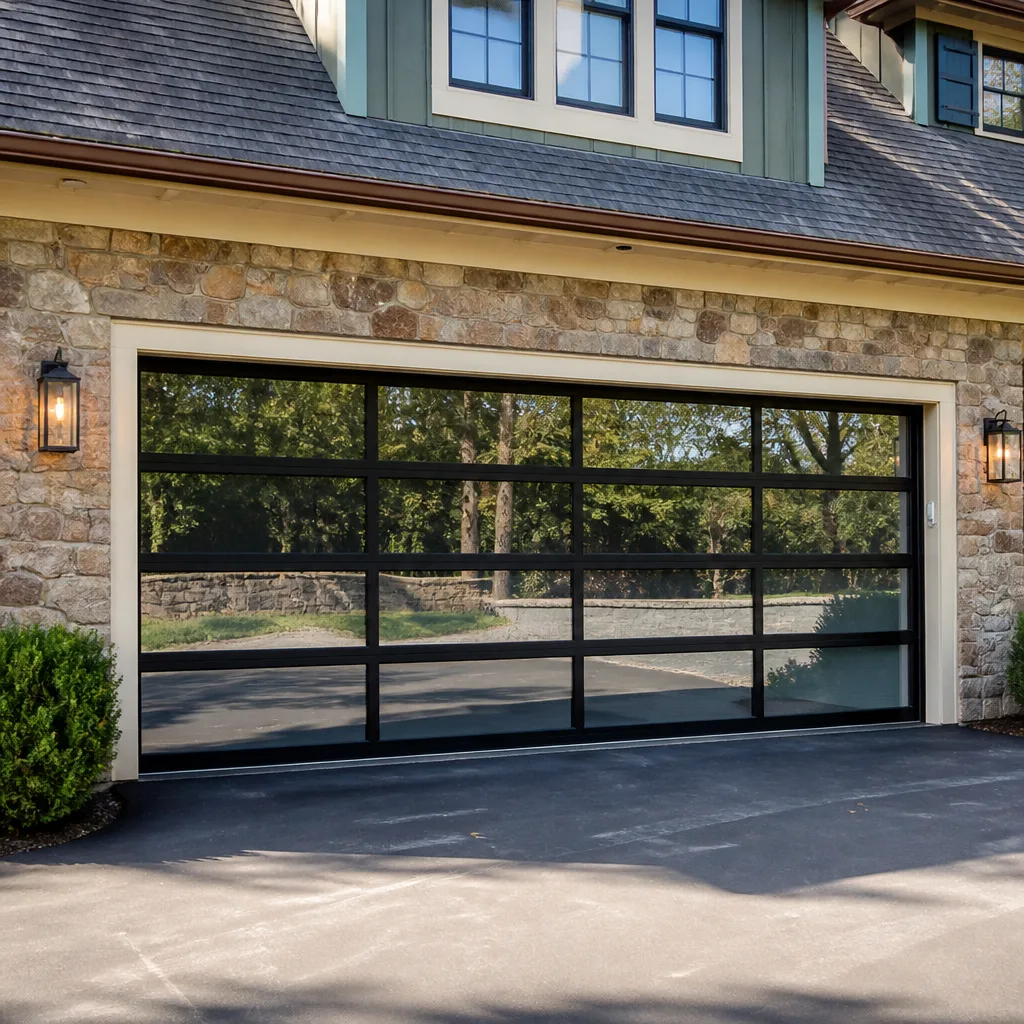 Full-view glass
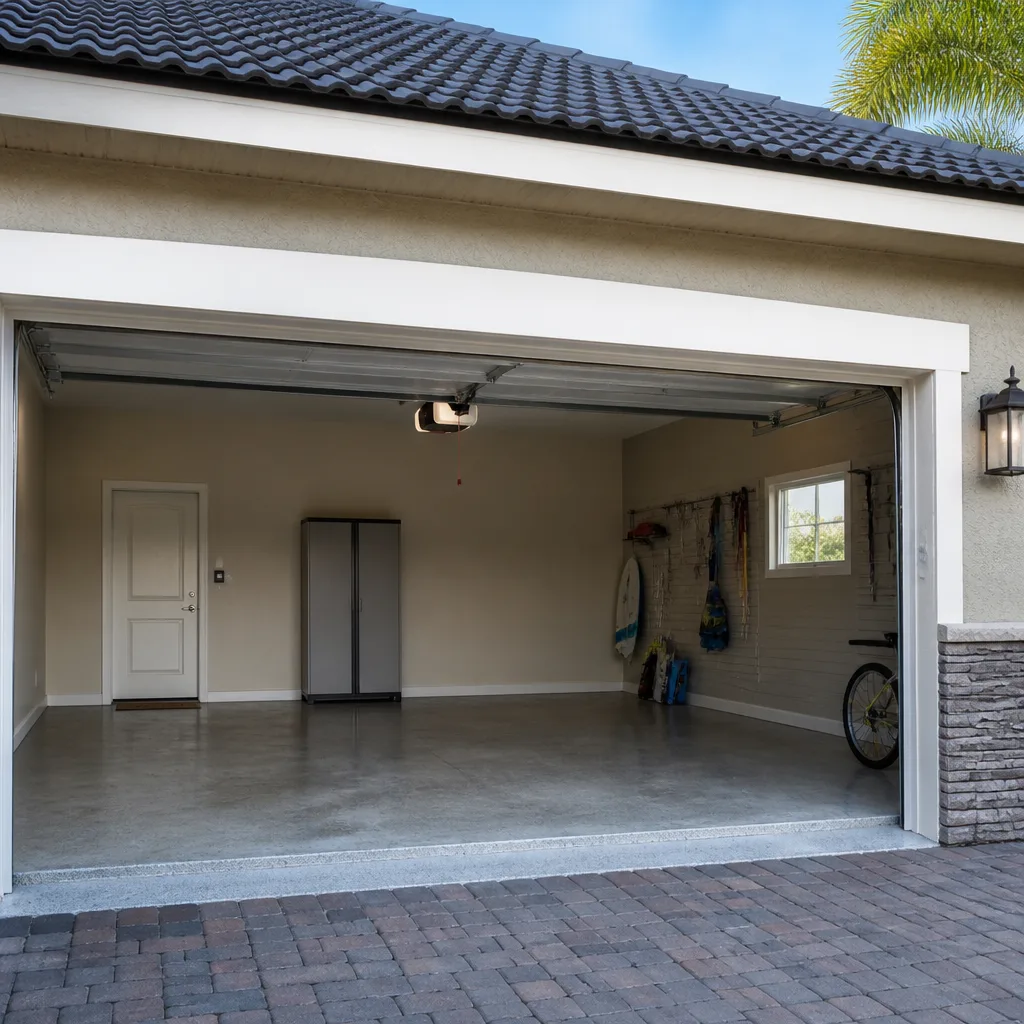 LiftMaster openers
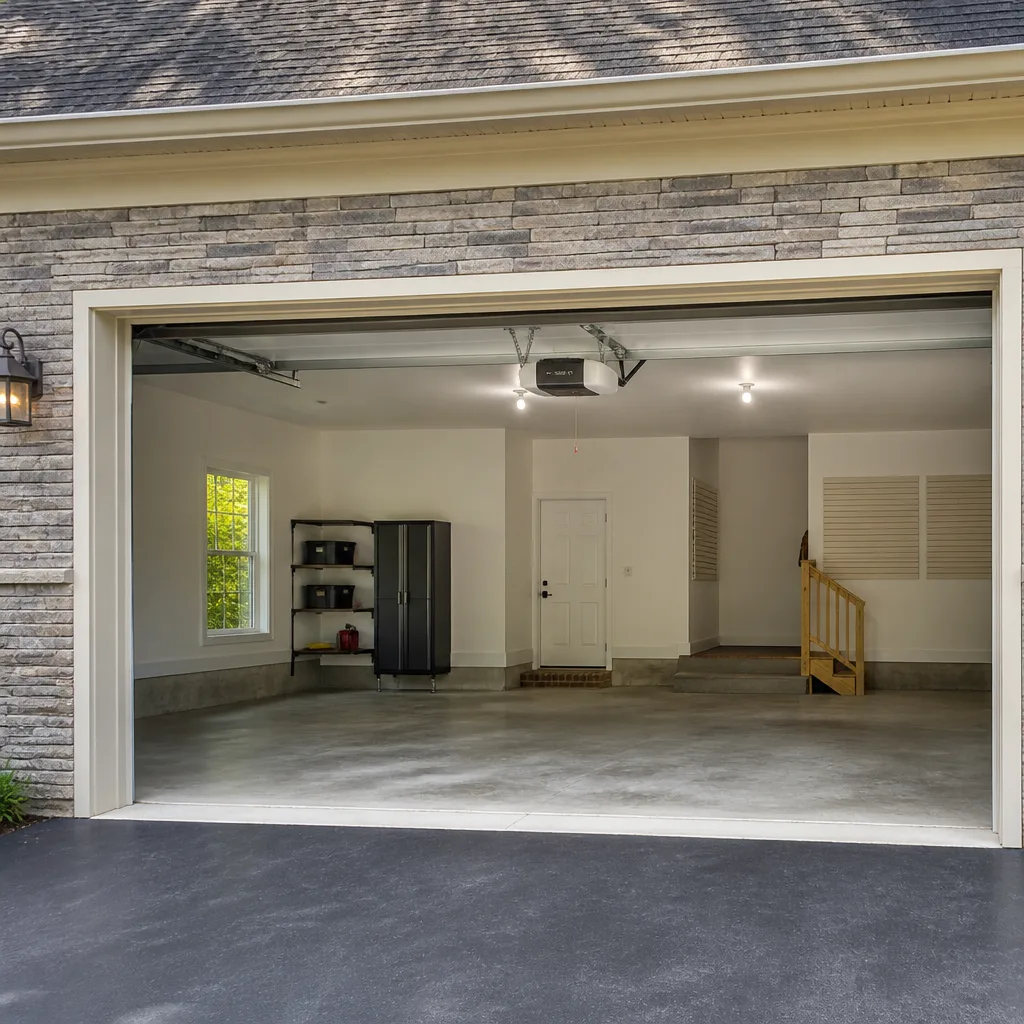 Chamberlain openers
Full 25-point door and opener safety check with every visit - springs, cables, rollers, tracks, and your LiftMaster or Chamberlain opener included
You get a price before we start. It does not change when the pro arrives.
Get your free estimateThe Complete Guide to Garage Doors in Avondale
Your garage door is the largest moving mechanical object in your home, yet most people spend more time researching a dishwasher. In Avondale’s heat, that gap in attention gets expensive fast. The door that opened smoothly in January can start binding, squealing, or sagging by July, and by the time it fails completely you’re making decisions under pressure with no framework to guide you. This guide maps the full lifecycle of a garage door – from picking the right material for a West Valley summer to knowing the exact point where repair stops making sense and replacement becomes the smarter money. You’ll learn how the components actually work, what fails first in desert conditions, how Avondale HOA rules shape your choices, and how the eight major brands we service differ in parts availability and longevity. By the end, you’ll know your door well enough to make a sharp decision instead of a panicked one.
Quick Answer
A garage door in Avondale typically lasts 15 to 25 years if the springs, rollers, and opener are maintained on a sensible schedule, but the desert climate accelerates wear on steel finish, plastic rollers, and opener gears faster than national averages suggest. Repair almost always makes financial sense on a door under 15 years old with a serviceable structure; replacement is the better call when panels are visibly degraded, the spring package is exhausted, and repeated repairs are stacking up. Choosing the right material up front – insulated steel over aluminum or fiberglass in most Avondale homes – and understanding how HOA rules constrain your options will save you thousands over the life of the door.
Styles & brands we work with
- Raised-panel steel
- Carriage house
- Modern flush
- Full-view glass
- LiftMaster openers
- Chamberlain openers
Table of Contents
- How a Garage Door Actually Works: A Full Component Map
- Why Avondale’s Heat Changes Which Materials Make Sense
- The Brand Landscape and What It Means for Parts and Longevity
- Springs, Cycles, and the Lifespan Math Homeowners Rarely See
- Repair vs. Replace: A Decision Framework
- HOA Rules in Avondale Subdivisions and How They Shape Your Door
- A Maintenance Schedule That Actually Fits Desert Living
- Openers Are a Specialty, Not an Add-On
How a Garage Door Actually Works: A Full Component Map
Most homeowners learn the anatomy of their garage door one failed part at a time. That’s backward. A sectional door is a system of seven interlocking components, and knowing what each one does – and which fails first in Avondale – lets you spot a problem before it strands your car in the driveway.
The panels are the visible face of the door: insulated steel, aluminum, fiberglass, or wood, hinged together so the door articulates as it travels. Panels carry the door’s weight and its weather seal. The tracks are the vertical and horizontal rails the rollers ride in; alignment is everything here. The springs – torsion above the door or extension along the sides – are the counterbalance that makes a 150-pound door feel like 15 pounds. The cables connect springs to the bottom bracket and hold tension. Rollers sit in the hinges and ride the track. The opener is the motor and rail that drive the door. Sensors at the bottom corners are the safety beam that reverses the door if something crosses it.
In desert conditions, the failure order shifts from what you’d read in a general guide. Plastic rollers dry out and flat-spot faster. Steel panels with a dark paint choice absorb more heat and fade or chalk sooner. Opener gears, which are often nylon, get brittle. Here’s what typically goes first in Avondale:
- Rollers – dry bearings and flat-spotted wheels cause the grinding noise most homeowners report first.
- Springs – cycle through their rated life faster on a door that runs daily.
- Opener drive gears and logic boards – heat stress on nylon and electronics.
- Cables – fray at the drum or bottom bracket after years of tension.
- Sensors – dust and sun glare on the lenses trigger phantom reversals.
If a door is making noise, binding, or reversing on its own, that’s the point to garage door repair rather than wait for a complete failure. We diagnose the whole system in one visit so a worn roller doesn’t take a spring with it.
Why Avondale’s Heat Changes Which Materials Make Sense
National garage door guides assume a temperate climate with seasonal swings that give materials time to rest. Avondale doesn’t offer that rest. Summers routinely push past 110°F, and a west-facing garage door absorbs direct sun for hours every afternoon. That sustained heat load changes the math on material selection in ways a generic guide won’t tell you.
Here’s how the three common materials hold up in the West Valley:
- Insulated steel – The default for good reason. Steel holds its shape, takes a factory finish well, and the insulation inside slows heat transfer into the garage. The catch is that dark colors absorb more heat, so finish fade and chalking happen sooner on a black or dark brown door than a light one.
- Aluminum – Lighter and rust-resistant, which sounds ideal until you factor in dent resistance. Aluminum dings more easily and its thinner panels can flex under heat. A reasonable choice for a shaded or north-facing door, less so for a full-sun exposure.
- Fiberglass – Won’t rust and won’t dent, and it’s a popular pick for coastal builds where corrosion is the enemy. In Avondale’s dry heat, fiberglass can chalk and lose gloss over years of UV exposure, though it’s a solid performer for lighter-weight doors.
Wood is rarely the right call here. It needs refinishing on a schedule the desert makes relentless, and the dry air pulls moisture out of the grain until panels cup and crack. If you’re weighing materials for a new door, the practical answer for most Avondale homes is insulated steel in a mid-to-light color, with aluminum a close second for shaded exposures. When you’re ready to look at a new door installation or replacement, a proper measure and a written quote beat any online calculator.
The Brand Landscape and What It Means for Parts and Longevity
Brand matters less than most homeowners think when the door is new and matters more than they expect five years in. The difference isn’t prestige – it’s parts availability, how serviceable the design is, and whether a technician can source the right component without waiting a week. We work across eight major brands precisely because Avondale homes are built with all of them, and a technician who only knows one brand will recommend that brand whether it’s the right fix or not.
Here’s how the major players tend to show up in Avondale garages and what each means for you:
- Wayne Dalton – Common in production-built subdivisions, with a wide range of panel profiles and a reputation for reasonable parts availability. Good match for HOA-driven color and style constraints.
- Craftsman – Sold through retail channels and ubiquitous in older Avondale homes that were built with a DIY-friendly install. Opener parts and remotes are widely available, which keeps repair costs down.
- Raynor – A solid mid-to-upper brand with durable hardware; parts are less stocked at big-box stores, so a technician who knows the brand is worth having.
- LiftMaster – The most common opener brand we see on garage door opener repair calls in Avondale. Excellent support network, robust logic boards, and strong smart-home integration.
The rest of the eight – Chamberlain, Genie, Clopay, Amarr – round out the mix. Clopay and Amarr are door manufacturers, so their panel profiles and hardware matter for replacement. Chamberlain and Genie dominate the opener side alongside LiftMaster. When we diagnose your system, we already know the brand before we pull into the driveway, which shortens the visit and cuts the guesswork.
Springs, Cycles, and the Lifespan Math Homeowners Rarely See
Every garage door spring has a rated cycle life, and a cycle is one full open-and-close. A standard spring is rated for roughly 10,000 cycles; a high-cycle spring can go double or triple that. If your household opens the door four times a day – out in the morning, back at lunch, out again, home for the evening – that’s 1,460 cycles a year. Ten thousand cycles is about seven years on that pace. A family that opens the door eight or ten times a day halves or quarters that lifespan.
This is the math most homeowners never see, and it explains why two identical-looking doors in the same Avondale neighborhood can have wildly different spring lives. Schedules differ. In the desert heat, springs also fatigue marginally faster because the metal stays hot through the day.
Cost is the other thing worth understanding. Spring work is priced per spring, so replacing one costs less than replacing a matched pair. On most doors, both springs are replaced together because they wear at the same rate, which roughly doubles the single-spring estimate. We quote per spring clearly so there’s no confusion about what a pair actually costs.
A safety note that matters: torsion springs and the cables attached to them are under extreme tension, and a failure can cause serious injury. We don’t recommend homeowners adjust, remove, or replace springs or cables themselves. Under-tensioned springs can also let the door drop unexpectedly, so if you hear a loud bang from the garage or the door suddenly feels very heavy, leave it alone and call a trained technician. We handle spring and cable work as routine insurance; the cost of getting it wrong is not worth the risk.
Repair vs. Replace: A Decision Framework
The repair-versus-replace question almost always comes down to three factors: age, structural condition, and the cumulative cost of what’s already been spent. A door that’s 12 years old, structurally sound, and needing only new rollers and a tune-up is an easy repair. A door that’s 20 years old, showing visible panel rust, and on its second spring set is a different conversation.
Here’s a practical framework you can run through before you call anyone:
- Age the door. Doors under 15 years with good bones are almost always worth repairing. Doors past 20 often aren’t.
- Check cycle count. If the spring is on its second full set, you’re near the end of the door’s useful mechanical life even if it looks fine.
- Look at the panels. Faded, chalking, rusted, or dented panels are costly to replace individually and can signal deeper structural wear.
- Add up the last few years of repairs. If you’ve paid for multiple fixes on a door over 18 years old, the next repair is often the cue to replace.
- Consider heat-driven degradation. In Avondale, dark-painted steel doors fade and chalk faster; if the finish is already failing, replacement often makes more sense than refinishing.
The one rule we’d underline: a sharp diagnosis first, a price second. We tell you what’s wrong before we tell you what it costs. If the honest answer is “replace,” you’ll hear it, and if the door has five good years left with a simple spring replacement, you’ll hear that too. That’s the point of working with a company that has no single brand to sell you.
HOA Rules in Avondale Subdivisions and How They Shape Your Door
Avondale’s subdivisions come with HOA guidelines that can quietly limit your choices on color, material, and even window placement. These rules aren’t arbitrary; they exist to keep neighborhoods visually consistent, but they can catch a homeowner off guard at exactly the wrong moment – usually after the wrong door is already ordered.
What tends to come up in Avondale’s HOA communities:
- Color palettes. Many HOAs restrict the door color to a specified set of neutrals. A dark navy, black, or bold accent that looks great on Pinterest may be a violation.
- Panel style. Some communities require a specific carriage-house or raised-panel profile, so a modern flush door could be disallowed.
- Material. A few HOAs specify or exclude materials for consistency, which matters for aluminum or fiberglass choices.
- Windows. Window panels are sometimes regulated for privacy or street-facing uniformity.
The practical takeaway: read your CC&Rs or call the HOA board before you commit to a material and color. Most HOAs have an architectural request process, and approval usually comes through faster when the request is specific – a manufacturer color code and a panel profile. We can help you match a Wayne Dalton or Amarr profile to the style your HOA requires so the request sails through. A few hours of paperwork up front beats a refused install.
A Maintenance Schedule That Actually Fits Desert Living
Garage door maintenance is not complicated, but the desert schedule shifts a few tasks to a higher frequency. Dust, heat, and dry air all accelerate wear on specific components, so the maintenance rhythm that works for a door in a temperate climate isn’t quite right for Avondale.
Here’s a simple schedule we recommend. None of it requires tools beyond a rag and a can of lubricant.
- Monthly: Wipe down the sensors at the bottom corners of the tracks and make sure the indicator lights are steady, not flickering. Dust and sun glare are the two most common causes of phantom reversals in Avondale.
- Quarterly: Lubricate the rollers, hinges, and track with a garage-door-specific lubricant. Avoid grease and oil, which attract dust in the dry air.
- Every six months: Check that the door balances – disconnect the opener and lift it halfway. It should stay put. If it drops or feels heavy, the springs are losing tension.
- Annually: Inspect cables for fraying at the drum and bottom bracket. Have a technician tighten hardware, check the spring balance, and test the auto-reverse feature.
- Every few years: Wash and wax the exterior to slow heat fade on the finish. Light-colored doors stay cooler and hold their finish longer.
For anything that touches springs, cables, or the opener’s internal gearing, call a technician. The same dry heat that accelerates roller wear also stresses the metal under tension; that’s not a component to experiment with.
Openers Are a Specialty, Not an Add-On
Many companies treat the opener as the part of the job they handle last, after the door itself. That’s the wrong priority in Avondale, because the opener is the component most likely to fail on you. It runs the motor through every cycle, it sits in the hottest part of the garage ceiling, and its logic board and drive gear are the first things heat degrades.
What actually fails on an opener in the desert:
- The drive gear. Often nylon, and it gets brittle with repeated heat cycling until teeth strip.
- The logic board. Electronics and sustained heat don’t mix; boards fail with age more than abuse.
- The safety sensors. Sun glare and dust cause false reversals more than actual misalignment.
- The battery backup. Backup batteries degrade faster in heat; a battery that lasted three years elsewhere may last two here.
- The remote and wall control. Less common, but a failing wall button can mimic a dead opener.
If your opener is a Chamberlain, Genie, LiftMaster, or any of the other brands we service, we’ll arrive already knowing the model family, its common failure points, and which parts are available. That’s the difference between a sharp diagnosis and an exploratory visit. We service openers as a genuine specialty, not as an afterthought.
Common Mistakes to Avoid
- Choosing a door color for looks alone. In Avondale’s heat, a dark finish absorbs more solar load and degrades faster. Talk to your HOA, then weigh a light color against your curb-appeal preference.
- Ignoring a grinding noise until the door fails. Grinding is usually worn rollers; catching it early is a simple fix. Waiting can damage the track and turn a small job into a large one.
- Letting a homeowner adjust the springs. Torsion springs are under extreme tension. This is the one part of the system that should never be DIY.
- Skipping the HOA approval. Ordering a door the HOA later rejects is a costly mistake, and it’s easily avoided with a specific request and a manufacturer color code.
- Replacing only one spring. On a matched pair, replacing one leaves the older spring to fail soon after. Replace the pair unless the technician says otherwise.
- Assuming a brand dealer gives you the best answer. A dealer will recommend the brand they sell. A brand-agnostic technician recommends what the door actually needs.
- Choosing a cheap opener without checking parts availability. Off-brand openers can be hard to repair well in Avondale; sticking to the major brands we service keeps parts available for years.
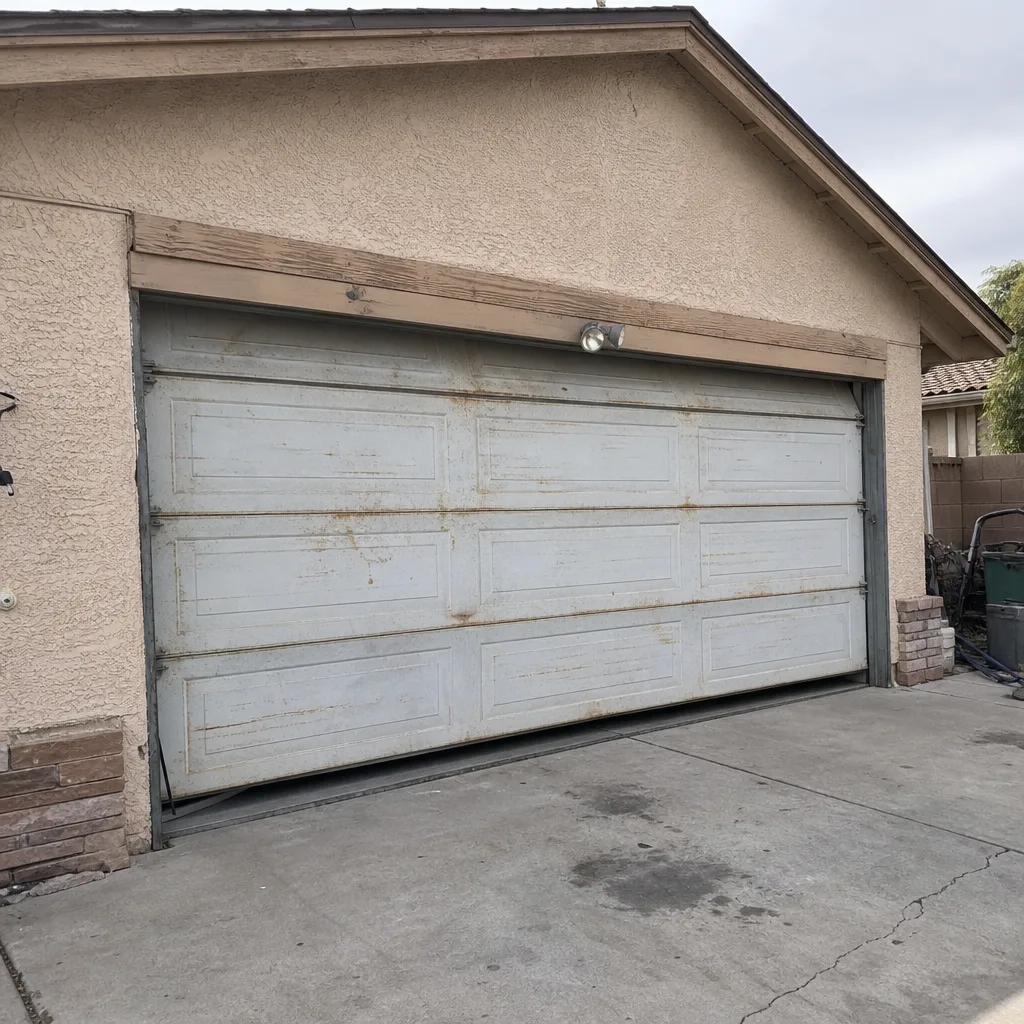
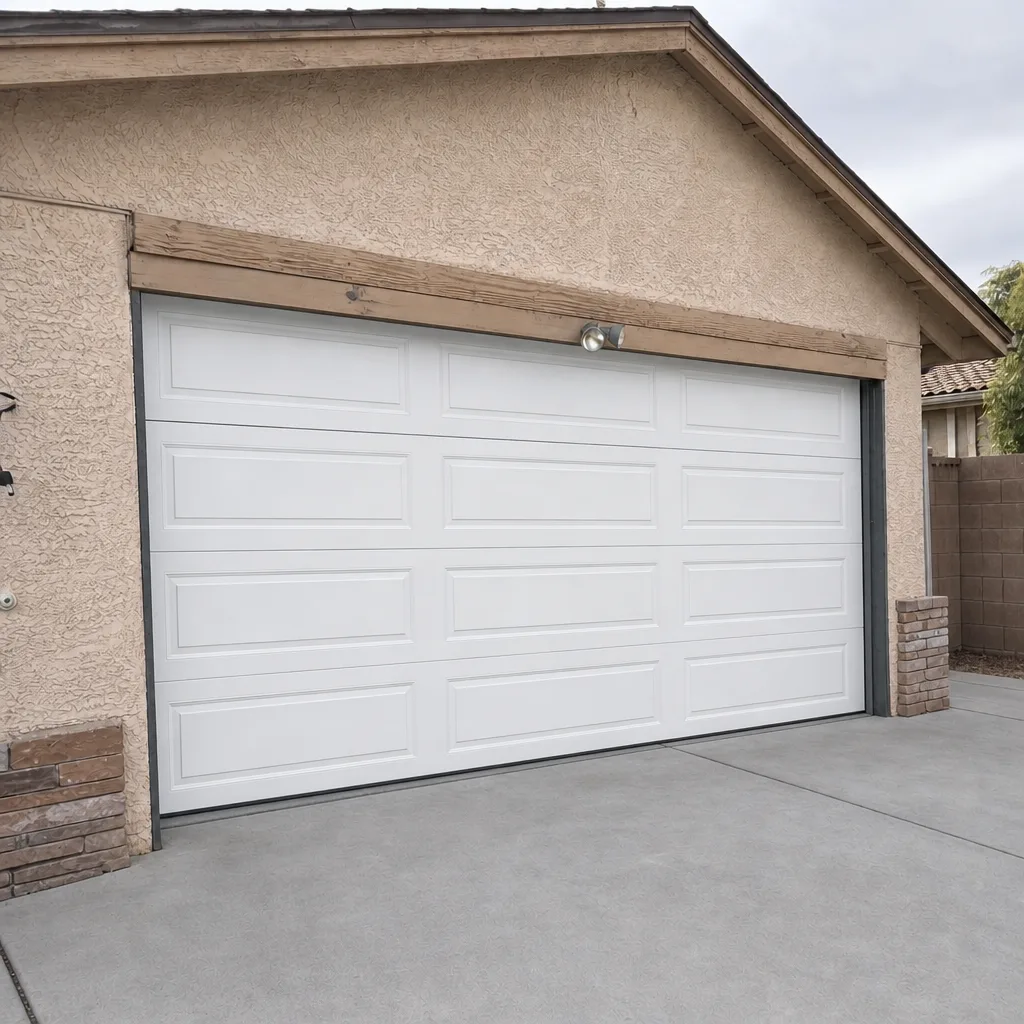
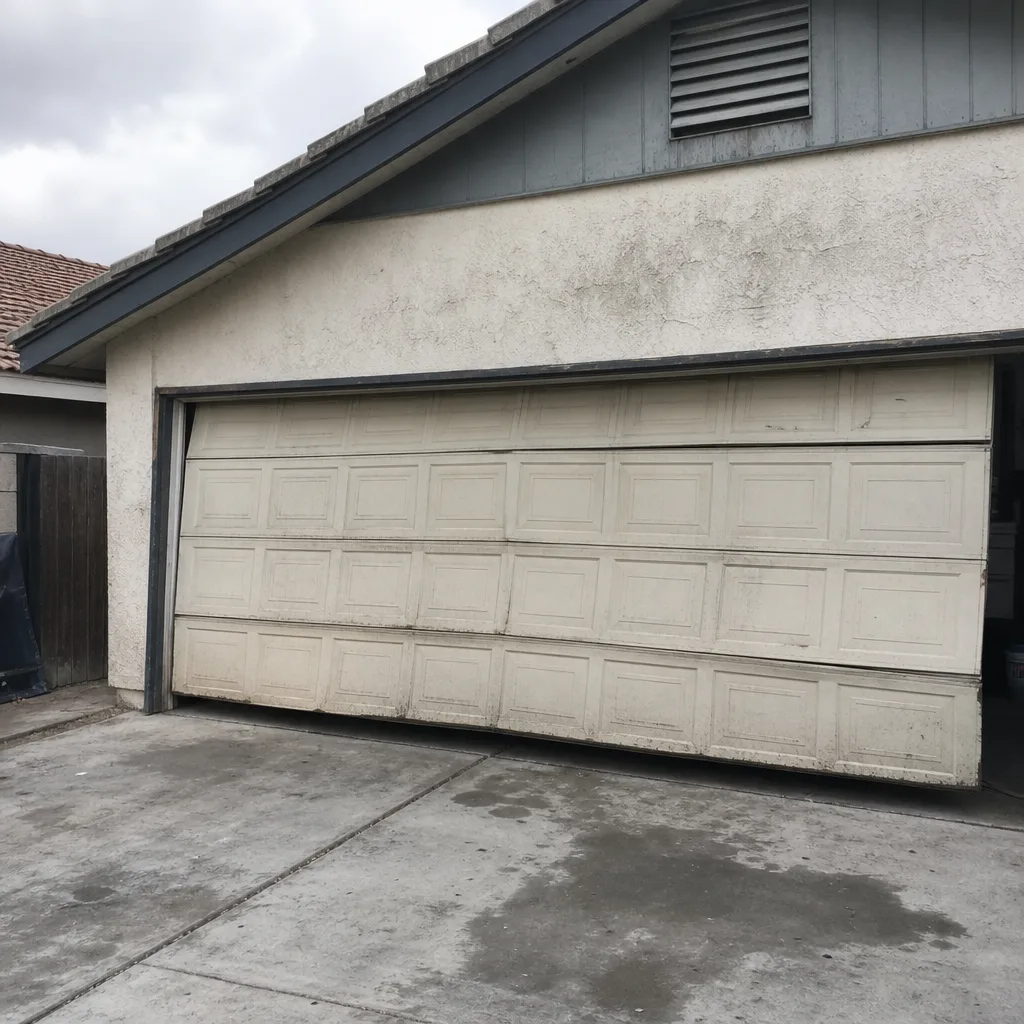
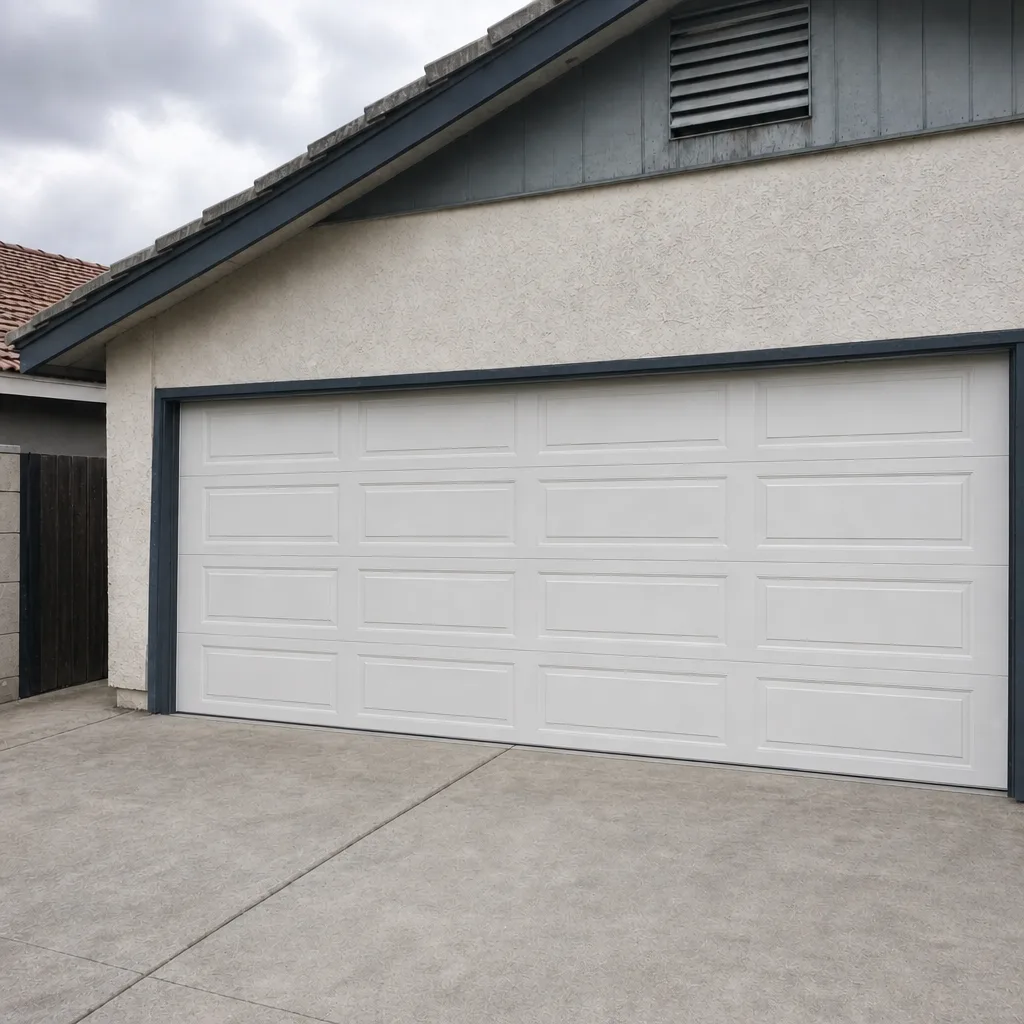
See the difference
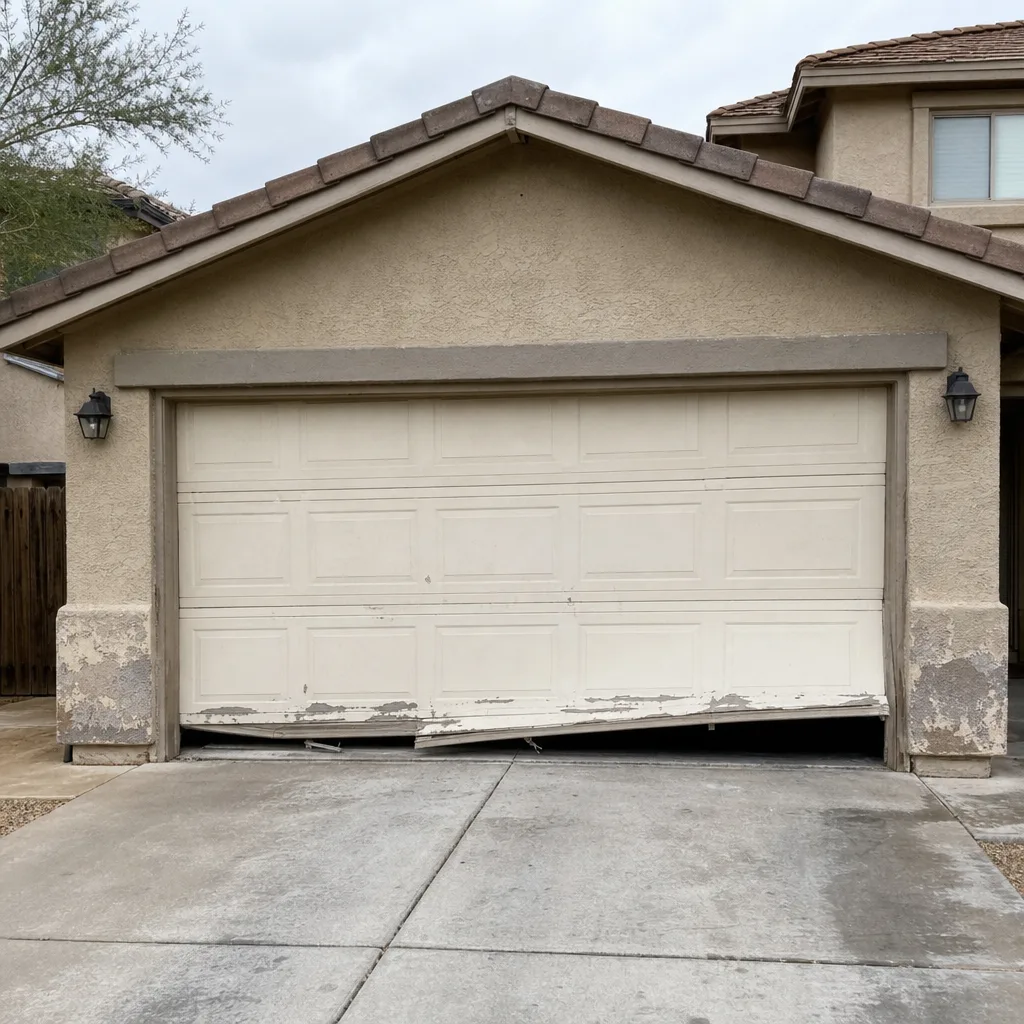 Before
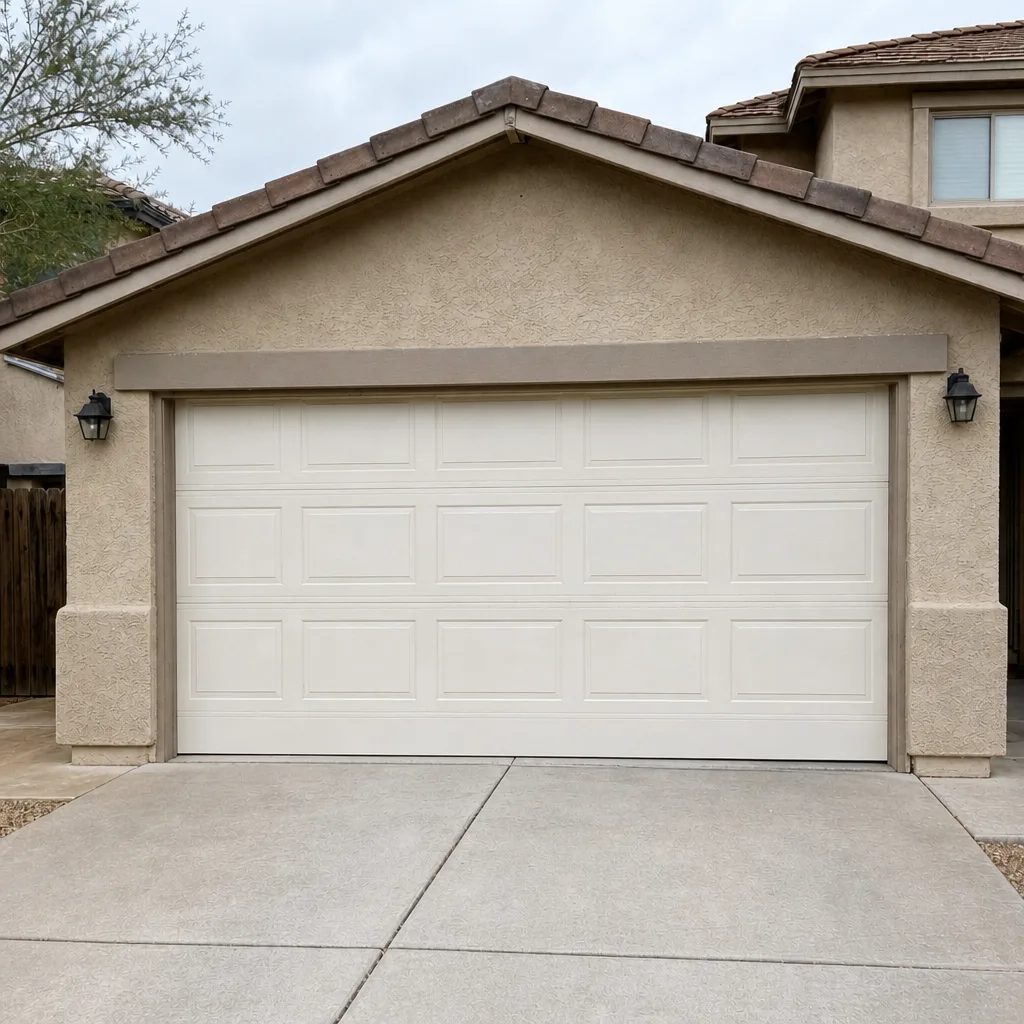 After
 Before
 After
 Before
 After
When to Call a Professional
Some garage door issues are genuinely DIY territory: sensor cleaning, lubricating rollers, and a visual check of the cables are all reasonable homeowner tasks. But several situations call for a trained technician without delay. The door comes down too fast or won’t stay balanced. You hear a loud bang from the garage – usually a broken spring. The door is off its track, binding, or visibly crooked. The opener runs but the door doesn’t move, the door reverses without obstruction, or the opener’s logic board is acting up. And anytime the work touches springs, cables, or the opener’s internal gearing, a professional should be the one doing it.
Hawk Garage Door Repair offers free estimates in Avondale – call (877) 824-4815. Our technicians have up to 15 years of experience, and we’ll tell you what’s wrong before we tell you the price.
Frequently Asked Questions
A typical new insulated steel garage door installation in Avondale generally runs in the mid four figures including hardware and opener, though the exact price depends on size, insulation, panel style, and whether an opener is included. We provide a free measure and a written quote before any work starts, and the written estimate sets the final price. Call (877) 824-4815 for an exact quote – estimates are free.
Yes, same-day service is available for repair calls, and we answer 24/7. Fast dispatch from 7am to 7pm, Sunday through Friday. A call outside dispatch hours is booked into the next opening, and we’re closed on Saturdays.
A standard spring is rated for about 10,000 cycles – roughly seven years at four open-and-close cycles a day. Desert heat tends to shorten that, and if your household runs the door more often the spring will wear out sooner; high-cycle springs can go two to three times longer. Call (877) 824-4815 if your door suddenly feels heavy or you hear a loud bang from the garage.
No. We quote the job per the written estimate, and that’s the price you pay. The estimate is free and set per job, and we tell you what’s wrong before we tell you the cost. Call (877) 824-4815 for a free estimate.
Yes. Hawk Garage Door Repair connects you with independent, state-licensed and insured local professionals who perform the work, and our technicians have up to 15 years of experience. Call (877) 824-4815 for a free estimate.
Often, yes. Many Avondale subdivisions restrict door color, panel style, and sometimes materials, so check your CC&Rs and submit an architectural request before ordering. We can match a manufacturer color code and panel profile to your HOA’s requirements so the request goes through cleanly. Call (877) 824-4815 to talk through your options.
The Bottom Line
Your garage door is a system, not a single part, and in Avondale the heat sets the failure order: rollers first, springs next, then opener gears and logic. Knowing the component map, choosing insulated steel over aluminum or fiberglass for most exposures, understanding spring cycle math, and checking your HOA rules before ordering will save you from the most expensive mistakes. Repair almost always beats replacement on a structurally sound door under 15 years old; past 20, with a second spring set and faded panels, replacement is usually the better call. When something fails on the parts under tension, call a professional. And when you’re ready, call (877) 824-4815 for a free estimate. We answer 24/7 with fast dispatch from 7am to 7pm, Sunday through Friday. Check our Avondale service page for more on how we work in your neighborhood.
Written by the team at Hawk Garage Door Repair.