
Last updated November 15, 2026
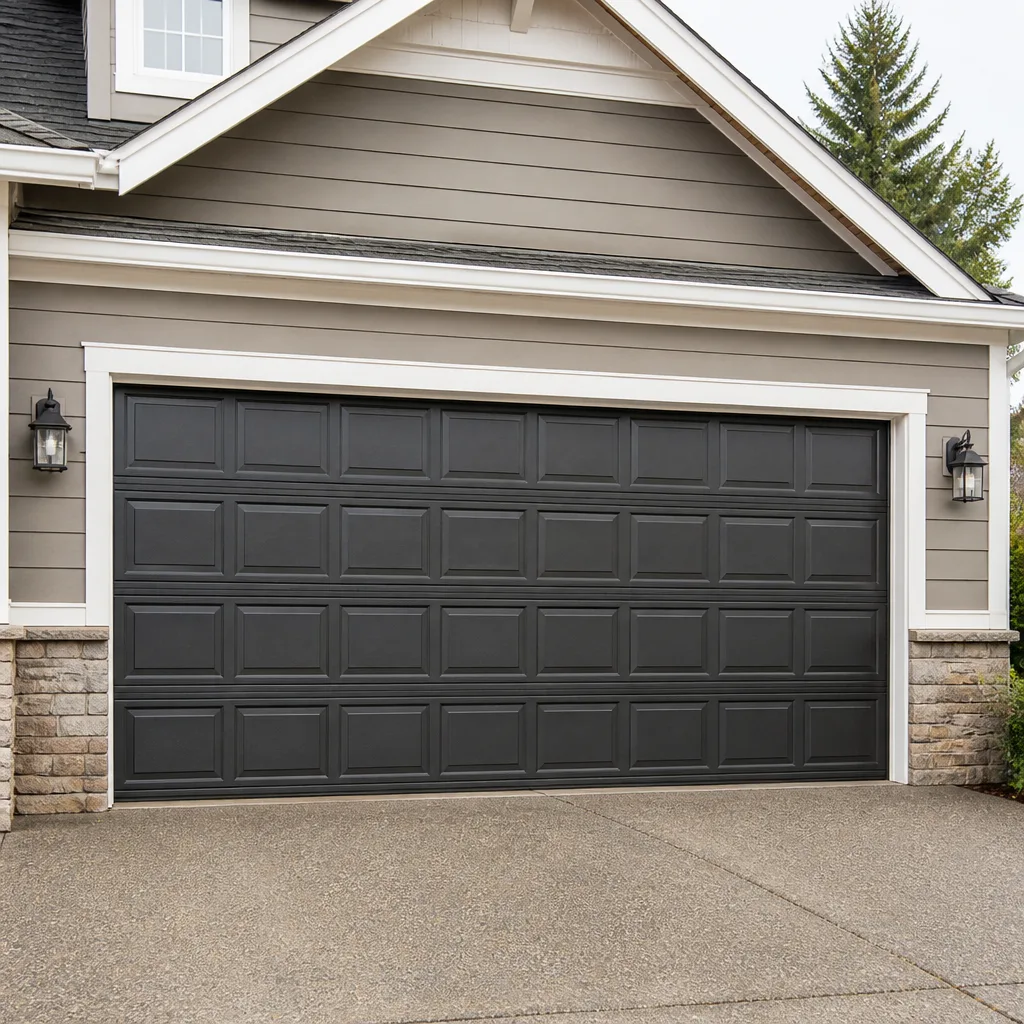 Raised-panel steel
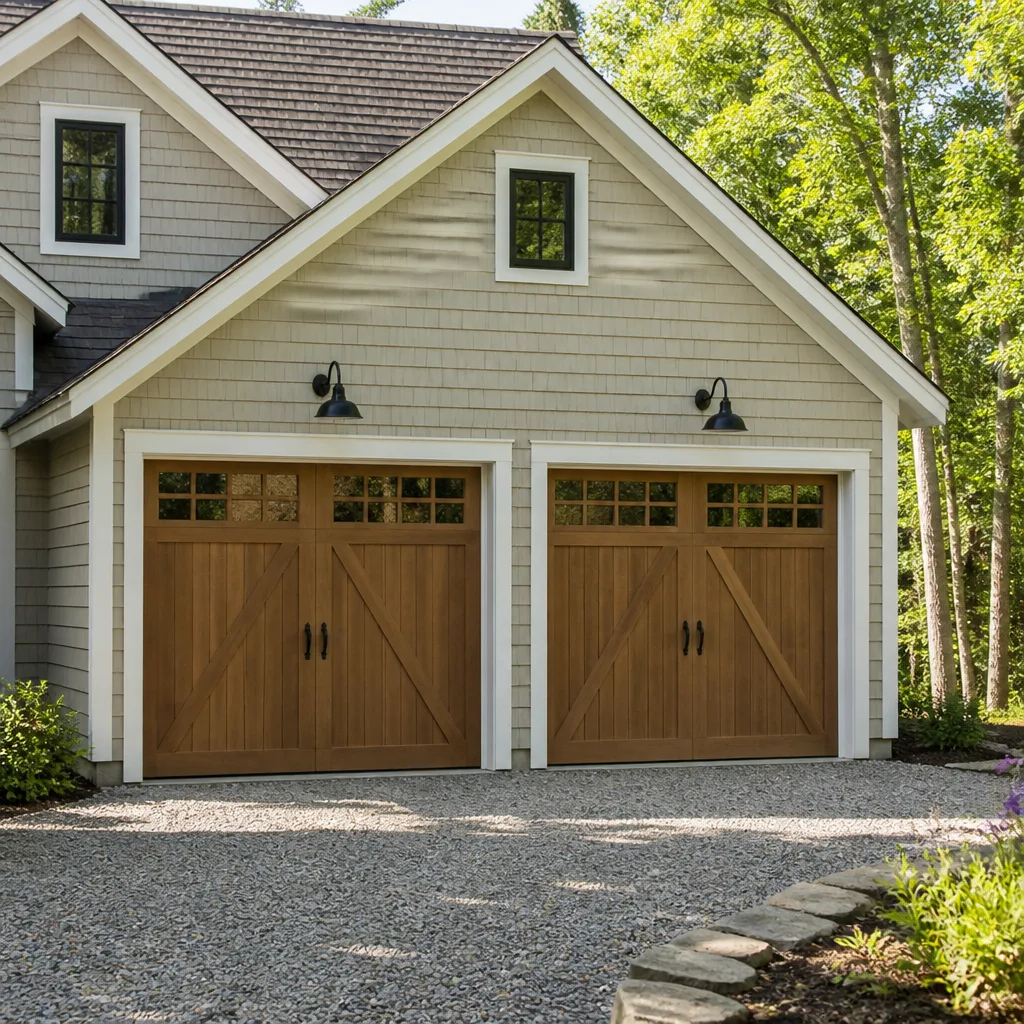 Carriage house
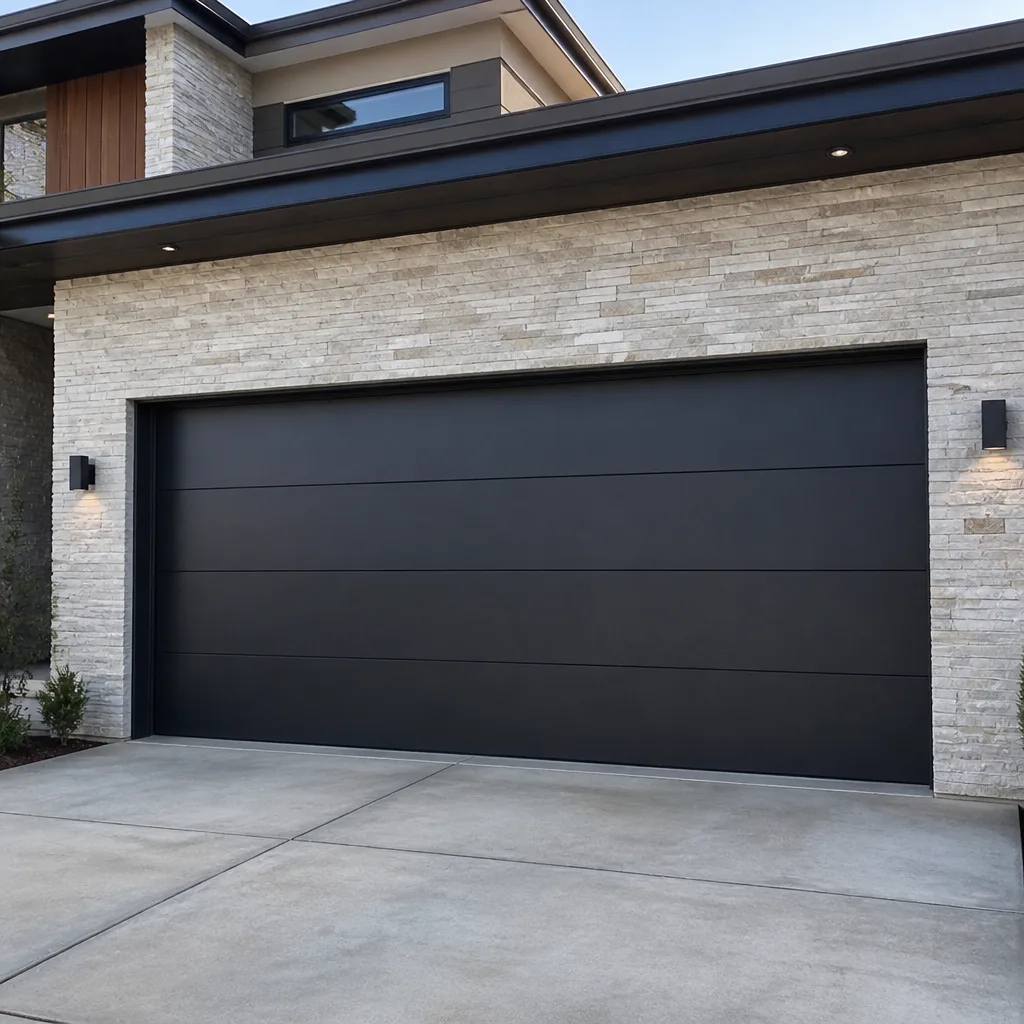 Modern flush
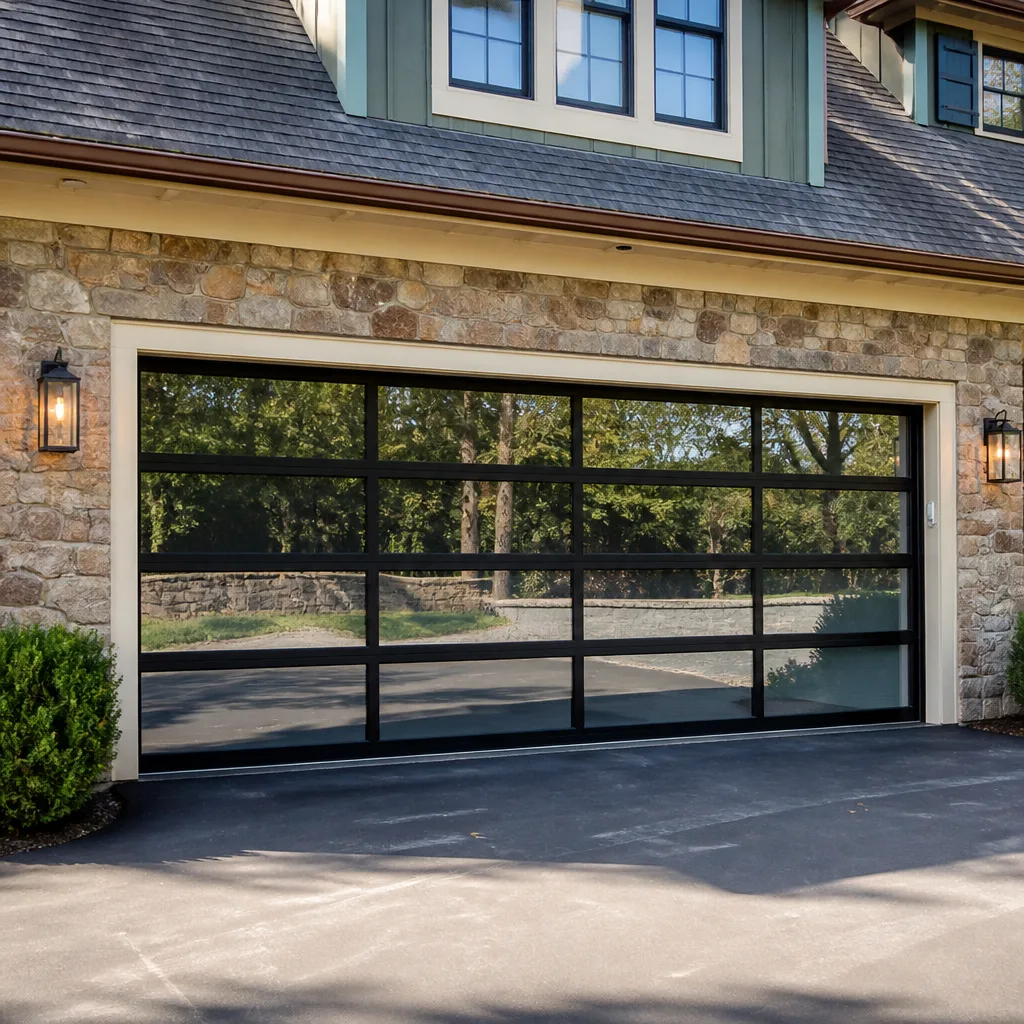 Full-view glass
 LiftMaster openers
 Chamberlain openers
Full 25-point door and opener safety check with every visit - springs, cables, rollers, tracks, and your LiftMaster or Chamberlain opener included
You get a price before we start. It does not change when the pro arrives.
Get your free estimateGarage Door Repair Troubleshooting in Avondale: Common Problems and How to Fix Them
A garage door that reverses before it fully closes is almost never a sensor problem. Yet sensor cleaning is the first fix suggested by nearly every online tutorial. In Avondale, our technicians have traced that symptom to a misaligned track bowed by summer heat expansion far more often than to dusty photo-eyes. The difference matters: one fix takes five minutes, the other requires track realignment and possibly a replacement section. This guide teaches you to read the entire mechanical chain before touching a single component, so you know whether the fault lives in the spring, the track, the opener, or a limit switch. You’ll get a diagnostic framework built specifically for Avondale conditions, step-by-step tests you can run safely, and a clear line between what you can handle and what needs a trained technician.
Quick Answer
Most garage door problems in Avondale trace to one of six causes: a snapped or fatigued torsion spring, tracks that bowed from 110°F summer heat, a misaligned safety sensor, an opener force setting that needs adjustment, worn rollers, or a remote that lost its programming. Diagnose by the sound the door makes and which phase of travel fails, not by the symptom alone. Noise type and failure point narrow the fault to a specific component before any part gets touched.
Styles & brands we work with
- Raised-panel steel
- Carriage house
- Modern flush
- Full-view glass
- LiftMaster openers
- Chamberlain openers
Table of Contents
- The Decision Tree: Read the Sound, Find the Fault
- How Avondale Heat Warps Tracks Before You Notice a Problem
- The Reversal Test and Balance Test: Spring or Opener?
- Five Fixes You Can Safely Do Yourself
- Four Problems That Require a Licensed Technician
- Brand Quirks: Why the Same Error Code Means Different Things
- Why Misdiagnosis Costs You Twice
- When to Stop Troubleshooting and Call
The Decision Tree: Read the Sound, Find the Fault
Garage doors are diagnostically honest. Each mechanical component announces its own failure in a specific sound. Our technicians use noise type as the first filter before examining anything else.
Grinding
Grinding points to metal-on-metal contact. Most commonly it’s a roller that seized and is dragging along the track instead of rolling. It can also be a track that shifted and pinched the roller channel, or worn hinges. Grinding usually gets worse over a week or two before it becomes a stuck door. Inspect the rollers first: if one won’t spin by hand, that’s your culprit.
Squealing
Squealing means dry friction somewhere in the roller or hinge assembly. This is the most common noise complaint in Avondale because dust infiltrates the roller bearings and displaces the lubrication. The fix is usually straightforward: clean the tracks with a dry cloth and apply a silicone-based lubricant to hinges, rollers, and pivot points. Avoid oil-based products that trap dust.
Popping
A single loud pop, followed by the door dropping or becoming very heavy to lift, points to a broken torsion spring. In Avondale, the combination of heat cycles and normal spring fatigue causes torsion springs to break most often on the left or right side of a two-spring setup. If you hear a pop and the door won’t lift at all, stop and call a professional. Do not attempt to manually force the door open.
Clicking Without Movement
If you hear a click from the opener but the door doesn’t move, the issue is likely in the opener’s logic board or a stripped motor gear. This is where brand-specific diagnosis matters – a Chamberlain might click twice and flash an error code, while a Genie might simply stay silent. We’ll cover that in the brand section.
- Grinding → seized roller, pinched track, or worn hinge
- Squealing → dry roller bearings or hinges, aggravated by Avondale dust
- Popping → broken torsion spring (stop, call a technician)
- Clicking without movement → opener gear or logic board
- Humming without movement → opener motor running but stripped gear or broken spring
How Avondale Heat Warps Tracks Before You Notice a Problem
Avondale’s summer heat is a garage door’s slowest and most persistent enemy. Daytime highs regularly push past 110°F, and the garage – a semi-enclosed metal and concrete box – traps that heat. Metal expands. Aluminum tracks expand faster than the steel door panels they guide. Over a season, that differential expansion pulls the track slightly out of vertical alignment.
What to check before calling
- Stand directly under the track and sight up its length. Do both sides look parallel? Any visible bow or bend toward the door or away from it?
- Look at the gap between the roller and the inner rail. If the roller is riding against one edge of the channel, the track has shifted.
- Run the door up halfway and watch the top section. If it wobbles left or right as it travels, track alignment is the likely cause.
- Check the mounting bolts that attach the track to the wall. Heat cycling loosens them over time. Snug bolts aren’t a fix for a badly bowed track, but they matter for preventing further shift.
The visual signs of heat-contorted track are subtle at first. A quarter-inch bow is enough to cause the door to reverse erratically. By the time the door is visibly struggling, the track may have been out of alignment for months. Avondale home styles – many with west-facing garages that take the full afternoon sun – put additional thermal load on the door and track assembly. When the door faces west, heat expansion happens faster on that side.
If you’re seeing these signs, garage door repair can correct the track alignment before a bowed track becomes a bent door panel or a snapped spring. Track work is one of the problems our technicians handle as part of a full mechanical inspection, and it’s the type of secondary issue the “Hawk” standard of precision is designed to catch before it turns into an emergency call.
The Reversal Test and Balance Test: Spring or Opener?
When a door reverses before closing, the two most common causes are a force setting on the opener that’s too low or a spring that’s lost tension. These are different problems with different fixes. Two tests will tell you which one you’re dealing with.
The Reversal Test
This test determines whether the opener’s safety system is triggering the reversal. Disconnect the opener from the door using the emergency release cord (pull down and back). With the opener disengaged, manually lift the door about halfway. If it stays in place or drifts down slowly, the door’s mechanical balance is fine and the problem is in the opener’s force or travel limits. If the door drops immediately from half-open, the spring has lost tension and the door is too heavy for the opener’s force setting to overcome safely.
The Balance Test
- Pull the emergency release to disconnect the opener.
- Lift the door manually to waist height.
- Let go. The door should stay in place or drift down slightly, held by spring tension.
- If it falls, the springs are undersprung or broken.
- If it rises on its own, the springs are oversprung and the door is too light for a safe force setting.
- Reconnect the opener by lifting the door until the trolley carriage engages. Never force the carriage – run the opener until the trolley clicks back into position.
An unbalanced door is a safety hazard. The opener’s force settings are designed to compensate for minor friction, not for a door missing hundreds of pounds of spring tension. Continuing to run an opener on an unbalanced door burns out the motor gear and can snap the arm connecting the opener to the door. If the balance test fails, stop running the door and call a technician. Our technicians have up to 15 years of experience reading this exact scenario, and spring replacement is the fix.
Five Fixes You Can Safely Do Yourself
Not every garage door problem needs a professional. These five fixes are genuinely safe for a homeowner with basic tools and no expectation of getting hurt. We tell you what’s wrong before we tell you the price, and part of that honesty is being clear about what you shouldn’t call us for.
1. Lubrication
Squealing that hasn’t yet caused a stuck door is usually a lubrication problem. Use a silicone or white lithium lubricant on the rollers, hinges, bearings, and the pivot points of the hinge plates. Do not lubricate the track. Dry-apply the roller stems and hinge pins, run the door up and down twice, and reapply if the noise persists. This is the single most effective maintenance task in Avondale because dust inevitably displaces oil.
2. Sensor Alignment
Safety sensors are the two small photo-eyes at the bottom of the tracks, one on each side. If one is bumped or vibrated out of alignment, the opener gets a false obstruction signal and reverses the door. Clean the lenses with a dry cloth, then align them by sighting down the beam. Most sensors have a small LED that stays lit when aligned and blinks when they’re not. Use the lens adjustment screw until the LED goes steady.
3. Remote Reprogramming
A remote that stops working is usually a dead battery or a lost code. Replace the battery first. If that doesn’t solve it, reprogram the remote by pressing the “Learn” button on the opener (usually on the back panel) and then pressing the remote button within a few seconds. The exact sequence varies by brand, so check the sticker inside the opener panel for the model number.
4. Track Cleaning
Dust accumulation on the running surfaces of the track causes dragging and increases the load on the opener. Wipe the inside of the track channels with a dry cloth every few months during the dusty season. This is also your chance to spot a bowed track before it becomes a bigger problem.
5. Battery and Belt Tension Checks
If your opener uses a battery backup, test it once a year by unplugging the opener and running the door once. If the door doesn’t move on battery, replace the battery. On belt-drive openers, a loose belt causes a slapping noise against the motor housing; check the tensioner and adjust according to the opener manual.
These five fixes cover most of the surface-level problems we get asked about in Avondale. For anything deeper in the mechanism, see the next section.
Four Problems That Require a Licensed Technician
Some garage door failures are dangerous. The torsion spring system, the cables, and the opener’s mechanical gear all store or transfer enough energy to cause serious injury. We don’t offer DIY instructions for these – we tell you to call a professional.
1. Torsion Spring Replacement
A torsion spring under load holds hundreds of pounds of force. Replacing one requires winding the spring to a specific tension – the margin for error is small, and a mistake can release the spring violently. This is not a DIY repair. Call a technician. In Avondale’s heat, spring fatigue happens faster than in cooler climates, and spring replacement is the most common repair we see in the summer months.
2. Cable Reattachment or Replacement
The lift cables are under tension from the spring system. A snapped or slipped cable that has come off its drum can whip and cause serious injury. Do not attempt to reattach a cable. A trained technician knows how to safely secure the door, release the spring tension, and re-rig the cable.
3. Trolley Carriage Swap
The trolley carriage is the part that travels along the rail and connects the opener to the door arm. When the carriage or its release mechanism fails, the whole opener-to-door connection needs to be disassembled and replaced. This is a mechanical repair that requires the opener to be in a specific state and the door properly supported.
4. Motor Gear Replacement
The final drive gear on the opener motor is made of a sacrificial plastic component designed to wear out before the motor itself. When the gear strips, the motor hums but the door doesn’t move. Replacing it requires opening the opener housing, which contains a capacitor that holds a charge. This is an opener-specific job – and it’s why we treat garage door opener repair as a distinct skill set, not a side job bolted onto door work.
The line between DIY and pro is not always obvious. A good rule: if a spring, cable, or the opener housing has to come apart, stop and call. If it’s a sensor, a hinge, a remote, or a lubrication point, you’re probably fine.
Brand Quirks: Why the Same Error Code Means Different Things
Blinking LED error codes are the most misinterpreted signal in garage door troubleshooting. The number of blinks is intended as a diagnostic code from the manufacturer, but each brand maps that number to a different meaning. This is why brand-agnostic diagnosis matters: a technician who works across eight major brands has to know the differences rather than defaulting to one manufacturer’s interpretation.
Chamberlain and LiftMaster
These two brands share a great deal of internal design (both are made by the same parent company), but they don’t always map error codes identically. On a Chamberlain, a rapid blinking LED on the opener typically signals a safety sensor fault. On a LiftMaster with the same blink pattern, the cause could be a travel limit issue rather than the sensor. The blink count is the same; the fault is not.
Genie
Genie openers use a different diagnostic scheme entirely. Their error indicators often flash a long blink followed by short blinks, which encodes a two-digit code. A Genie showing error code 3 confirms a force setting that needs adjustment; the same blink pattern on another brand might indicate nothing at all. This is why the sticker inside the opener panel – the model number – is the first thing our technicians check.
Craftsman and Raynor
Craftsman is built on a Chamberlain platform, so most diagnostics follow the Chamberlain scheme. Raynor, by contrast, runs its own control architecture and its diagnostic codes don’t map to the Chamberlain scheme at all. A Raynor blinking a certain number of times tells a very different story from a Craftsman blinking the same count.
Clopay and Amarr
Clopay and Amarr are primarily door manufacturers, but many installations pair their panels with openers from other brands. If you have a Clopay door paired with a Genie opener, the troubleshooting path runs through the Genie opener’s diagnostics – the door brand is the installation, not the control system. Knowing which manufacturer makes which component is part of reading a brand-agnostic diagnosis correctly.
Wayne Dalton is another brand whose doors are frequently paired with aftermarket openers. When we diagnose a Wayne Dalton door, we verify the operator first, since the failure is almost never in the door panel itself on a stuck door.
This is the kind of distinction Hawk Garage Door Repair was built around. We work on your brand, and we know what its error codes actually mean before we arrive.
Why Misdiagnosis Costs You Twice
The worst outcome in garage door repair isn’t a hard repair – it’s fixing the wrong part. A homeowner who tries the sensor-cleaning fix on a track-alignment problem spends the afternoon with a dry cloth and still has a reversing door. Then they call a technician, pay for a service call, and pay again for the actual fix. The track was always the problem; the sensor was never involved.
The cost of misdiagnosis compounds in Avondale specifically. Track misalignment is common here, and the symptom – a door that reverses before closing – is the same symptom as a sensor problem. A technician who only checks sensors will miss the track. A technician who checks the full mechanical chain will find it. This is why we open every service call with a mechanical inspection, not a symptom checklist. Sharp diagnosis, straight answer: that’s the standard.
There’s a second form of double-pay: replacing a part that wasn’t broken because the diagnostic path skipped a step. A weak spring is often misread as an opener force issue. The homeowner adjusts the force setting, the opener works for a few months, and then the motor gear strips because it’s been carrying load it wasn’t designed for. Now the homeowner has bought a spring replacement and an opener repair for the price of one diagnostic visit.
Getting the diagnosis right the first visit is the most cost-effective approach. Our technicians have up to 15 years of experience reading these systems, and they know the diagnostic order that finds the real fault quickly. When the door is genuinely beyond repair, we also handle garage door repair and replacement under one name, so you’re not vetting a second contractor.
When to Stop Troubleshooting and Call
You’ve run the tests, you’ve identified the noise, and you’ve narrowed the fault to a component. Here’s the decision point. If the problem is a sensor, a lubrication task, a remote reprogramming, a battery, or a track cleaning, you can handle it. If it’s a broken spring, a cable off its drum, a trolley carriage, a motor gear, or a bowed track that needs realignment, stop and call a professional. The garage door is one of the few home systems where a mistake while disassembling under tension can cause serious injury, and the risk isn’t worth the savings.
We also get called for the “second-opinion” scenario: a homeowner who’s had a repair that didn’t fix the problem. If the door is still reversing, still noisy, or still failing after a service call, the diagnosis was probably incomplete. Hook up with garage door opener repair if the opener is the suspect, or our garage door repair team if it’s the door itself.
The technicians who serve Avondale bring up to 15 years of experience across the eight major brands. They know the local climate’s effect on tracks and springs, and they’ll tell you what’s wrong before they tell you the price.
Common Mistakes to Avoid
- Cleaning the sensors first, always. In Avondale, a reversing door is more likely a heat-bowed track than a dirty sensor. Check track alignment before you reach for a cloth.
- Adjusting opener force settings to compensate for a weak spring. This masks the real problem and burns out the motor gear. If the balance test fails, the spring needs attention, not the force setting.
- Lubricating the track itself. Grease on the track catches Avondale dust and turns into a grinding paste. Lubricate the rollers and hinges, not the rails.
- Forcing a door with a broken spring. Manually lifting a door with a snapped spring can cause the door to fall or the cable to snap. Stop and call.
- Ignoring a mild squeal. Squealing in summer heat is the earliest warning of roller bearing failure. Left alone through a season, it becomes grinding and then a stuck door.
- Assuming a higher-wattage opener will fix a heavy door. A stronger opener on an unbalanced door accelerates wear instead of solving the mechanical issue. The door’s balance is the starting point.
- Not checking the model sticker before calling. Knowing the brand and model of your opener saves time on the diagnostic visit. Chamberlain, Genie, LiftMaster, and Raynor all have distinct diagnostic schemes.
See the difference
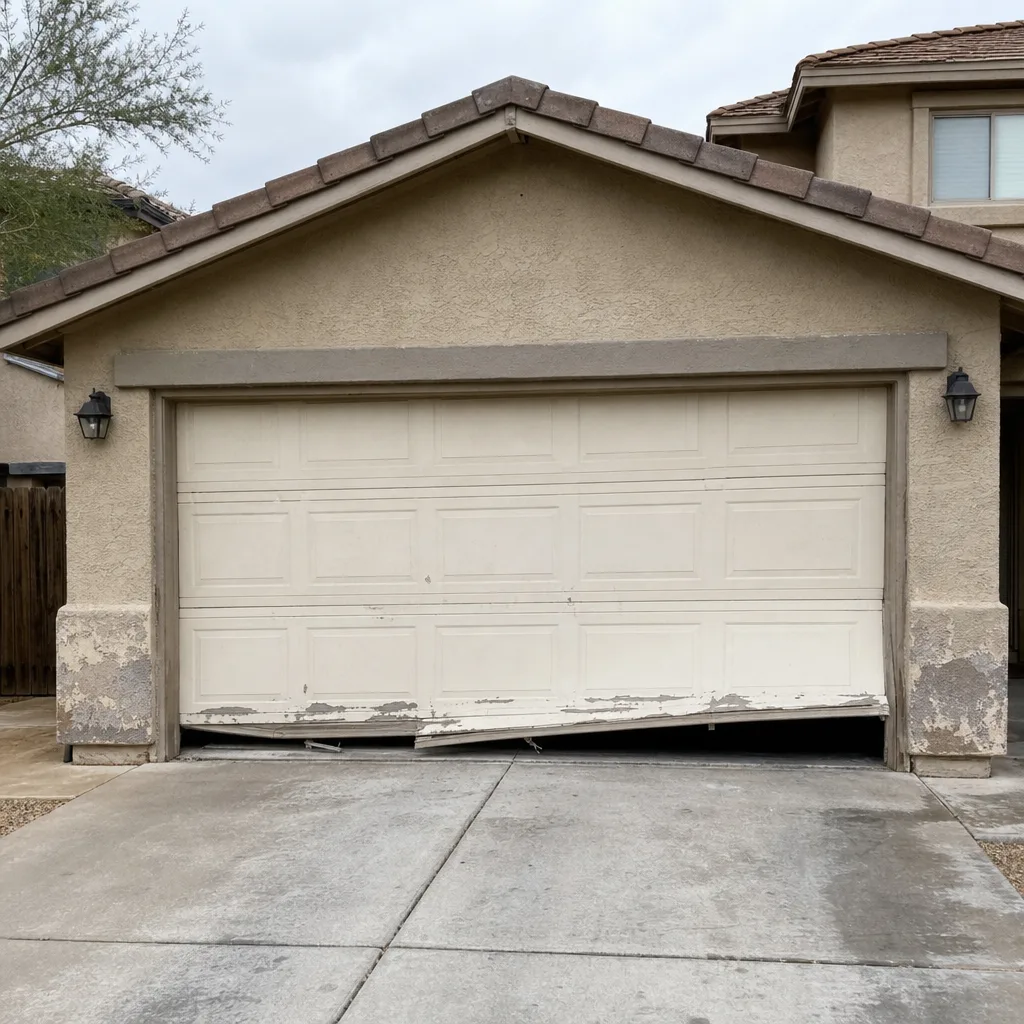 Before
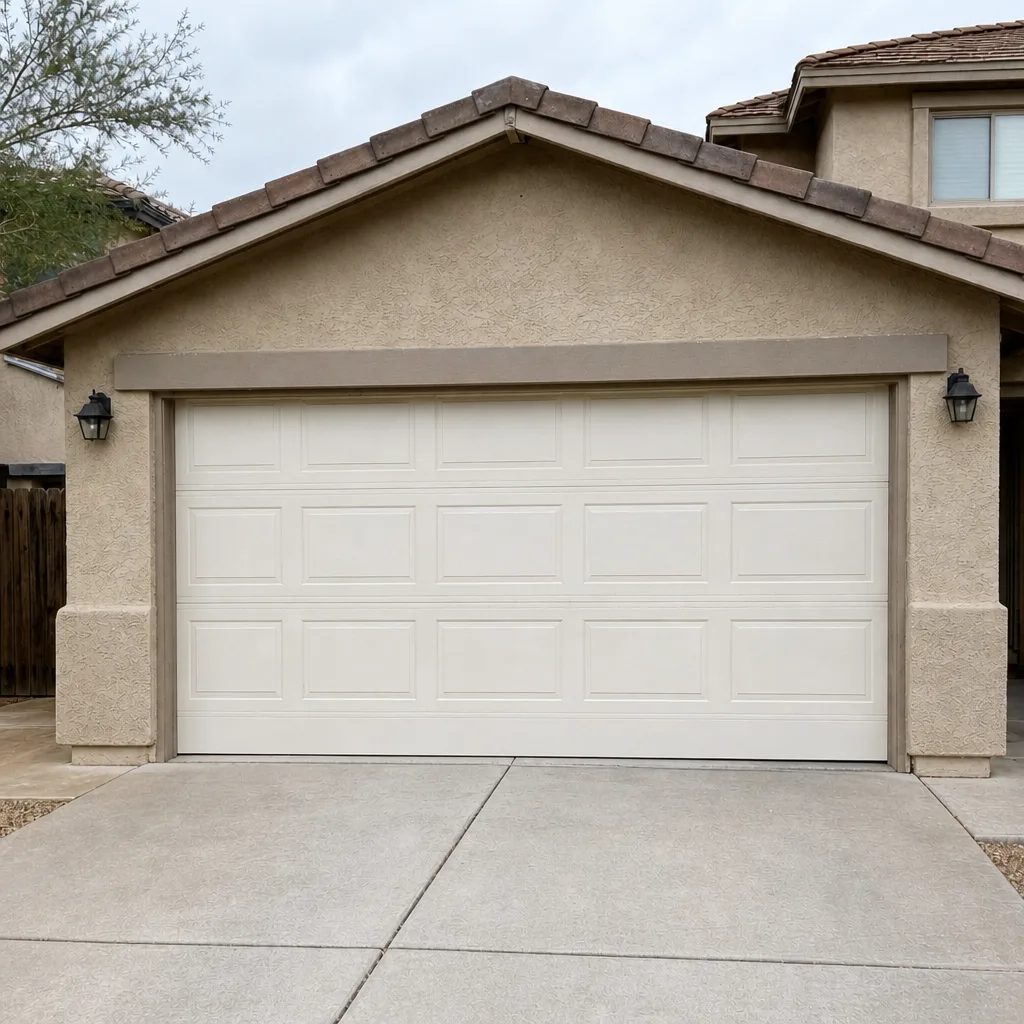 After
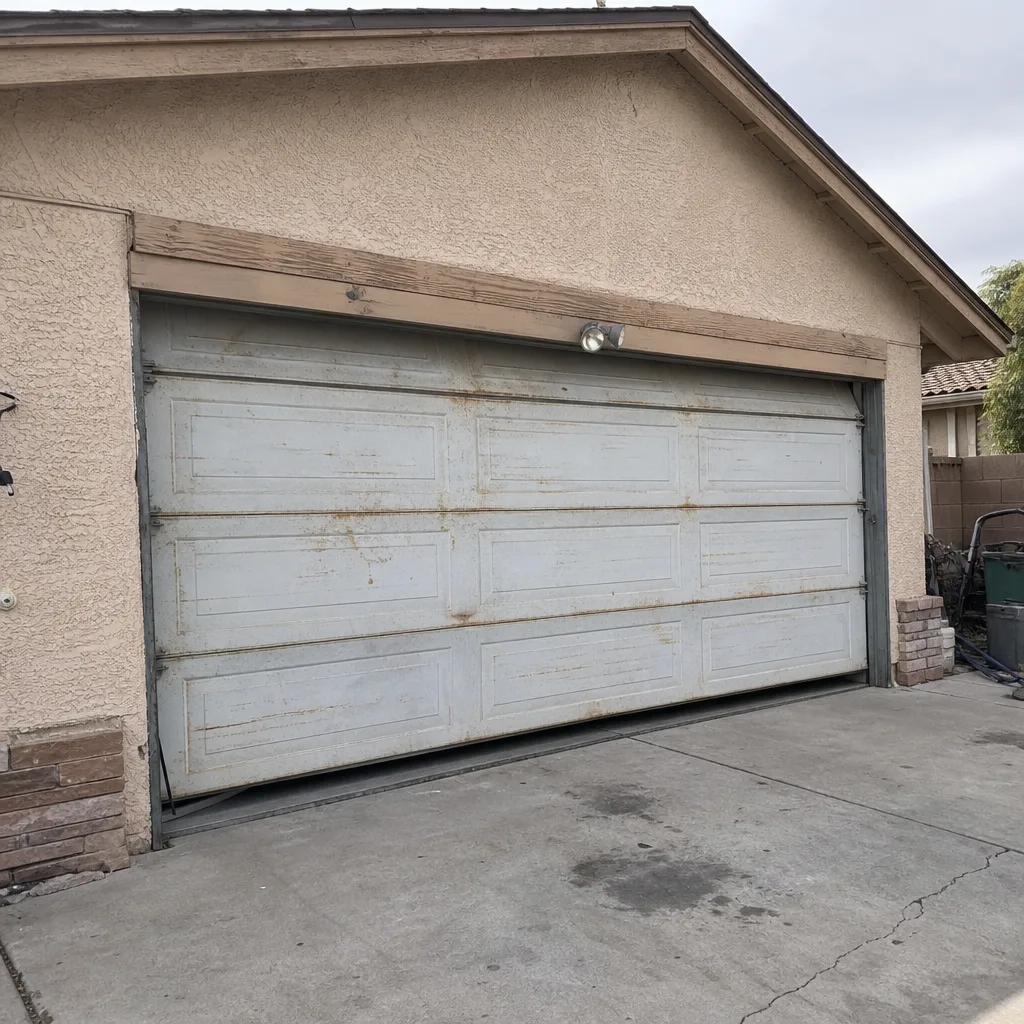 Before
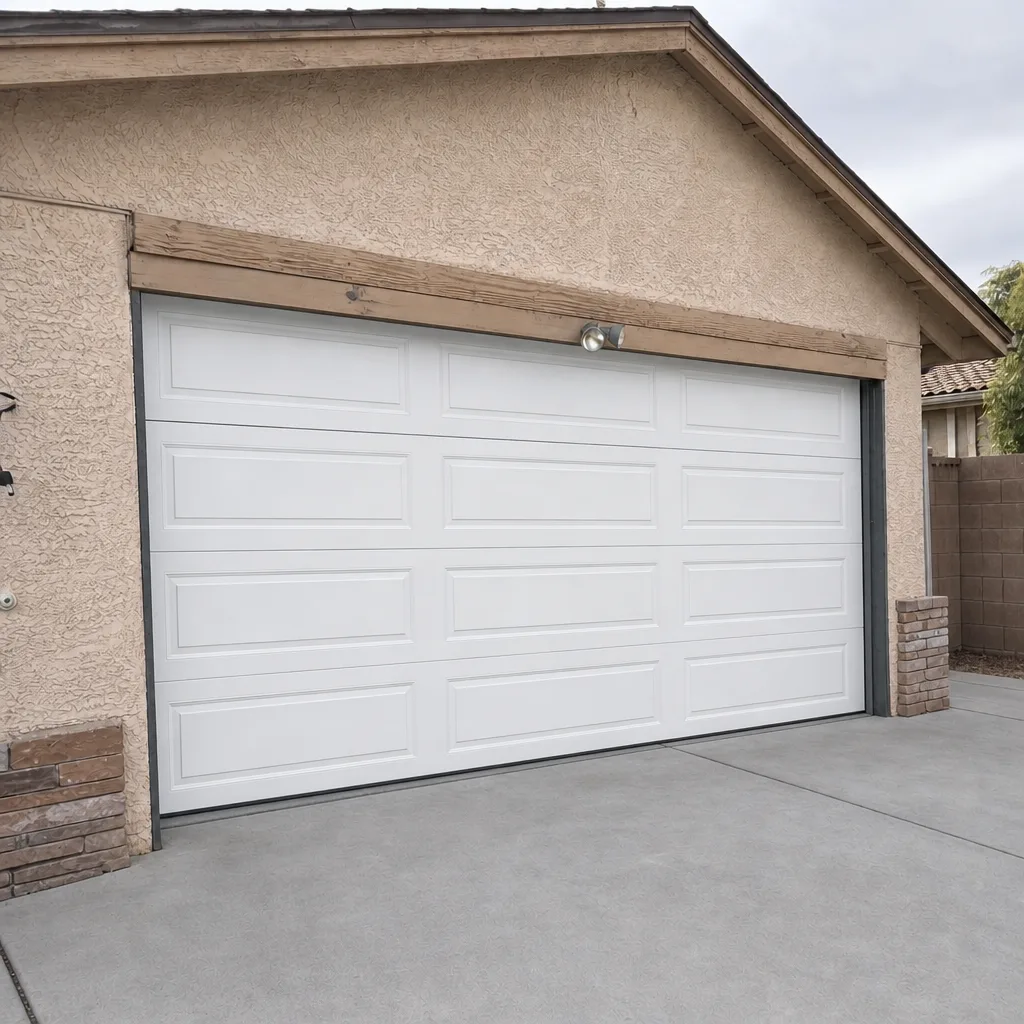 After
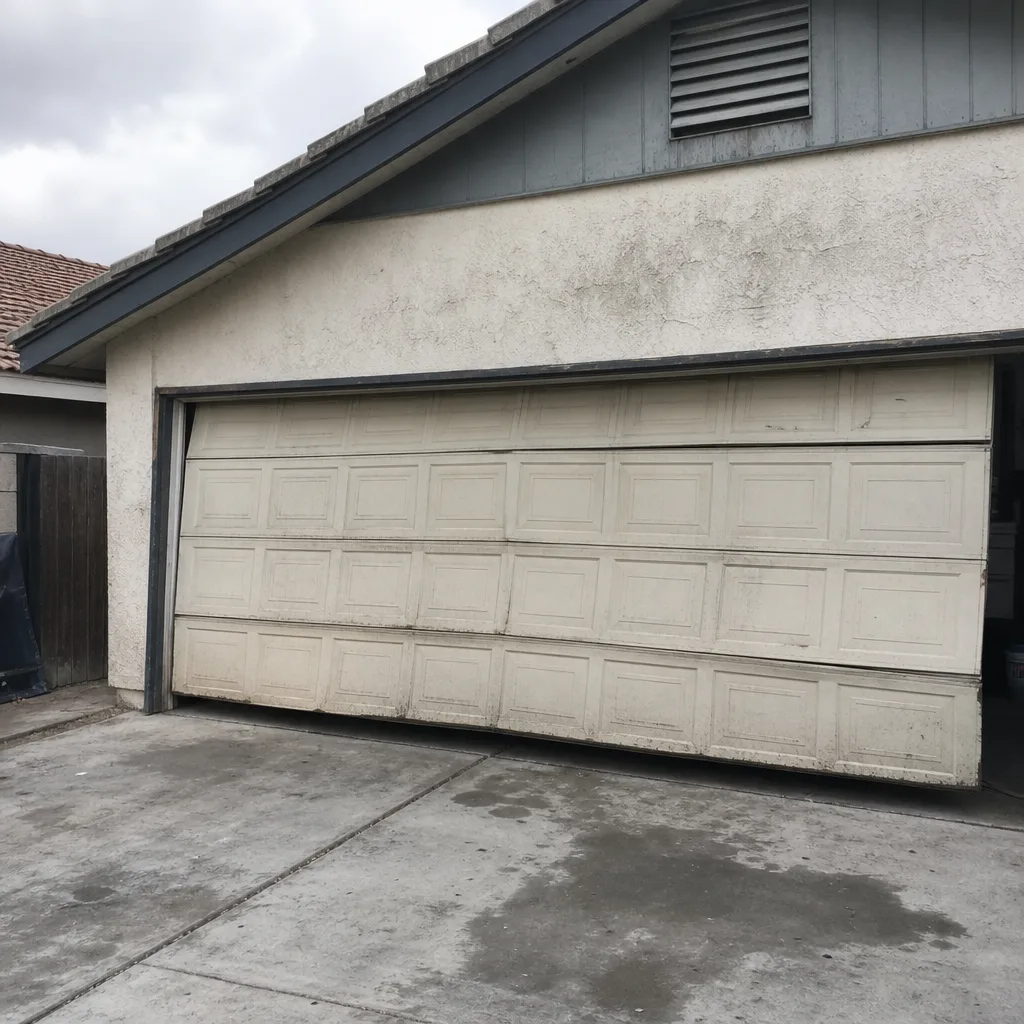 Before
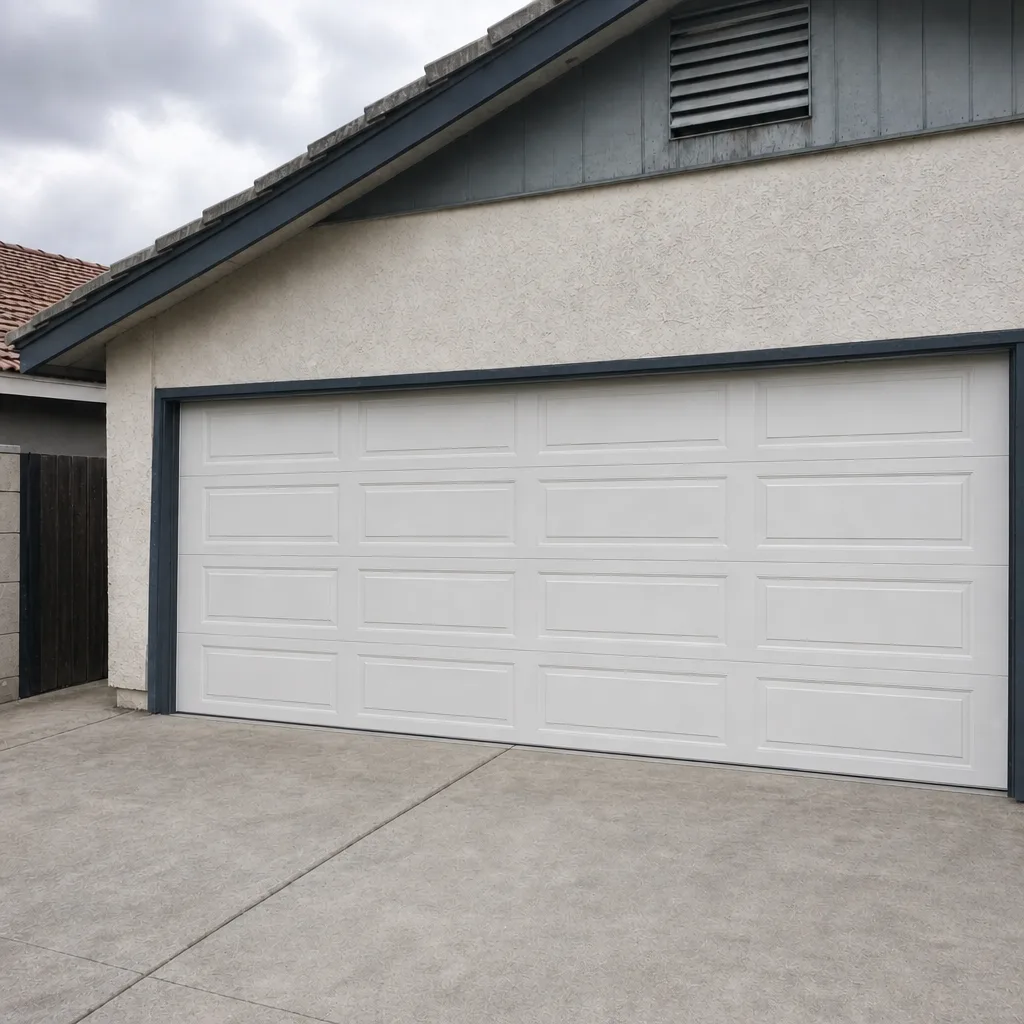 After
When to Call a Professional
Call a professional when the balance test fails, when you hear a pop and the door goes slack, when a cable is off its drum, when the opener hums without moving the door, when the door reverses despite clean and aligned sensors, or when a track is visibly bowed. These signs point to failures that involve stored energy or electrical components. Call (877) 824-4815 for a free estimate in Avondale. We answer 24/7. Fast dispatch from 7am to 7pm, Sunday through Friday, and we’ll tell you what’s wrong before we tell you the price. The written estimate is the price – we quote it and agree it with you before any work starts.
Frequently Asked Questions
Run the balance test before touching the sensors. Disconnect the opener and lift the door to waist height. If it drops, the spring has lost tension – that’s the problem. If it holds, the sensors or the opener’s force setting are the likely fault. Call (877) 824-4815 for an exact quote if the balance test fails – estimates are free.
Heat expansion. Avondale summer temperatures push past 110°F, and aluminum tracks expand faster than the steel door panels they guide, pulling the track slightly out of alignment. A door that binds or reverses only in summer is often a heat-bowed track, not a sensor or spring problem. Call us for a free estimate and we’ll check the track alignment.
The blink count is a diagnostic code, but its meaning depends on the brand. A Chamberlain blinking a certain number of times means a different fault than a LiftMaster blinking the same count. Genie uses a two-digit code pattern, and Raynor’s diagnostic scheme doesn’t map to the Chamberlain pattern at all. Check your opener’s model sticker before calling so we can identify the correct diagnostic path.
No. A torsion spring under load holds hundreds of pounds of force, and a mistake while winding it can cause serious injury. Spring replacement is a job for a trained technician. Call (877) 824-4815 for a free estimate – estimates are free.
Disconnect the opener using the emergency release and run the door by hand. If it lifts smoothly with one hand and stays balanced, the door is fine and the opener is the fault. If it’s heavy, binding, or won’t stay up, the problem is in the door’s mechanical components – springs, track, rollers, or cables. Call us if the door is unbalanced; we’ll diagnose it the same visit.
Chamberlain and LiftMaster share manufacturing lineage, but their error codes don’t always map identically. A fast-blinking LED on a Chamberlain often signals a sensor fault; on a LiftMaster, the same pattern can point to a travel limit issue. We work on both brands and diagnose by the actual system, not by the brand label.
Still stuck on a diagnosis? Call (877) 824-4815. We answer 24/7. Fast dispatch from 7am to 7pm, Sunday through Friday.
The Bottom Line
The core diagnostic skill in garage door troubleshooting is reading the door’s full mechanical chain before touching a component. Noise type, failure phase, and the balance test narrow the fault to a specific part faster than any symptom checklist. Avondale’s heat adds a local twist: track misalignment is more common here than sensor problems, and it shows up most often in summer. Safe DIY fixes – lubrication, sensor alignment, remote reprogramming, track cleaning, battery checks – cover the surface layer. Springs, cables, trolley carriages, and motor gears are technician work. When in doubt, call a professional and skip the second repair bill.
Hawk Garage Door Repair handles repair, opener service, and installation across eight major brands, one call for the whole door. Call (877) 824-4815 for a free estimate – the written quote is the price.
Written by the team at Hawk Garage Door Repair.