
Last updated November 15, 2026
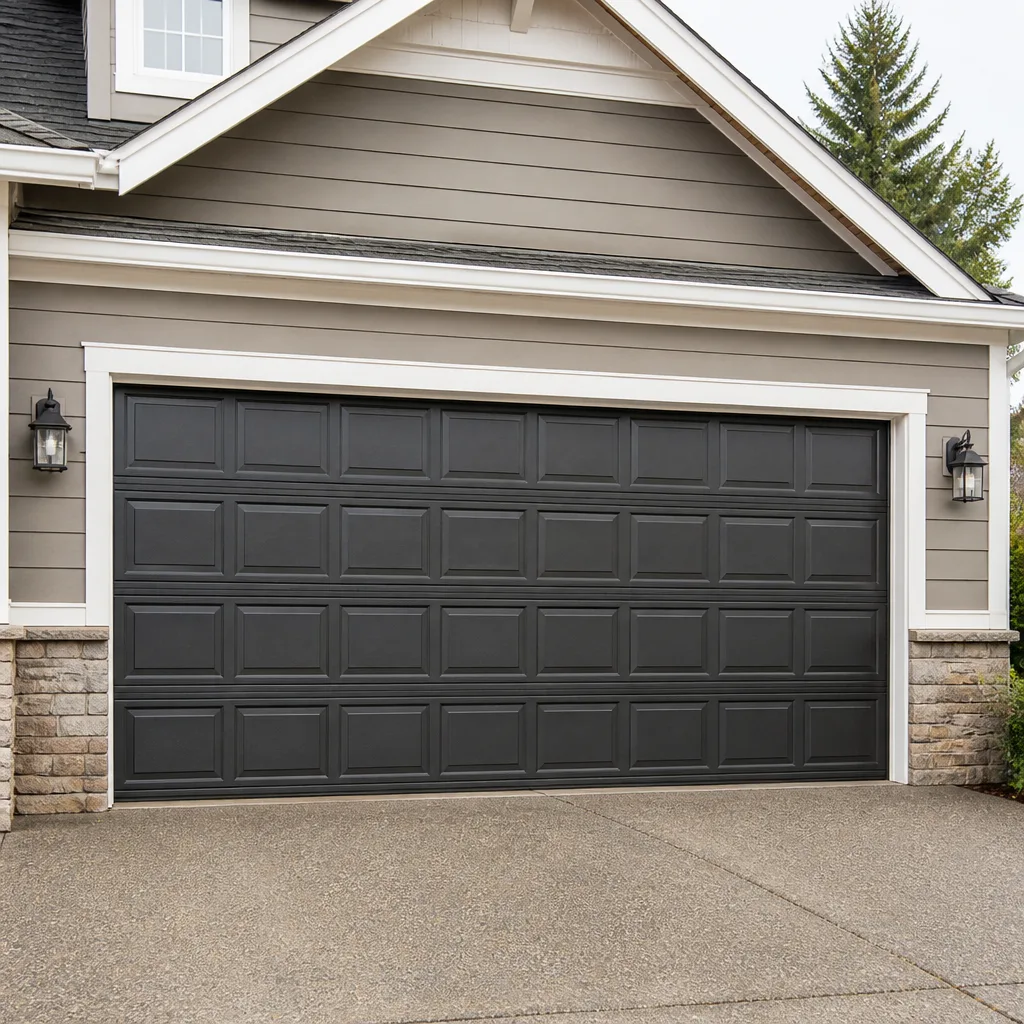 Raised-panel steel
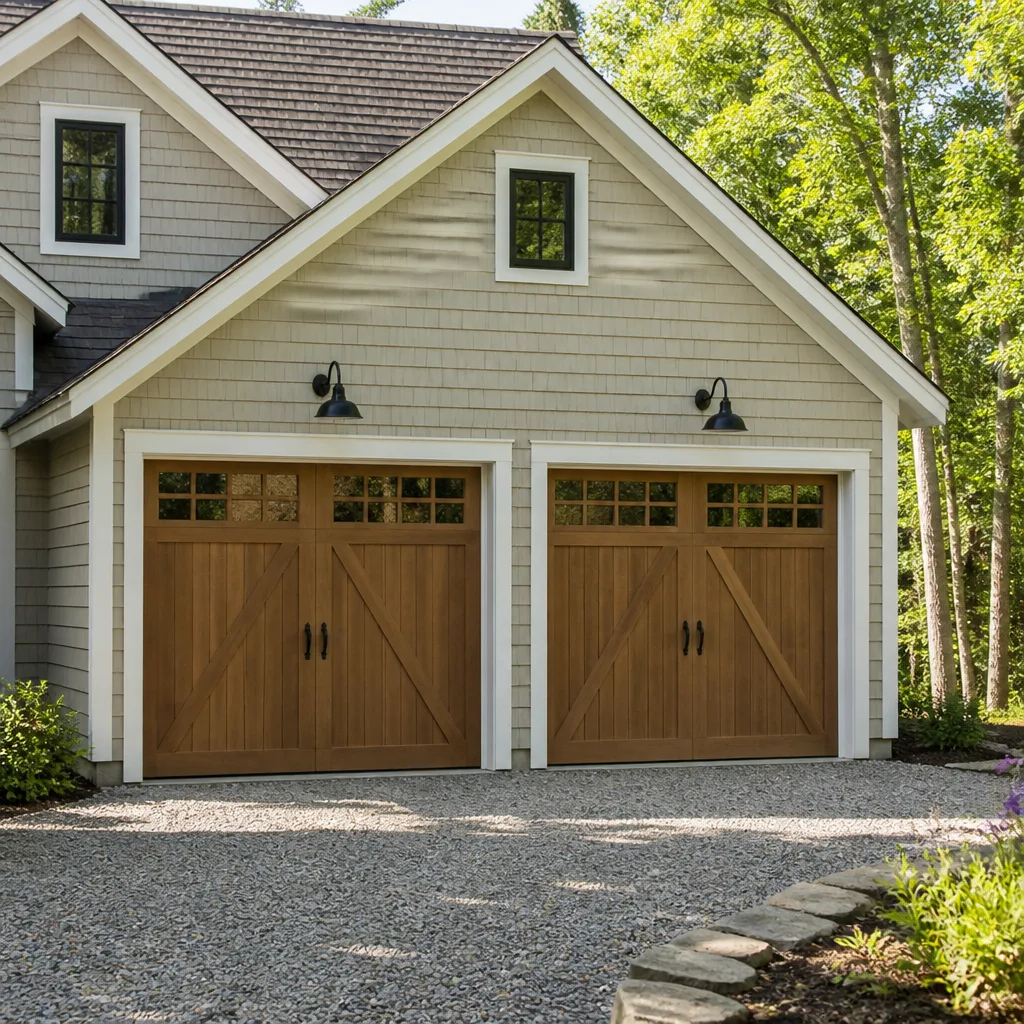 Carriage house
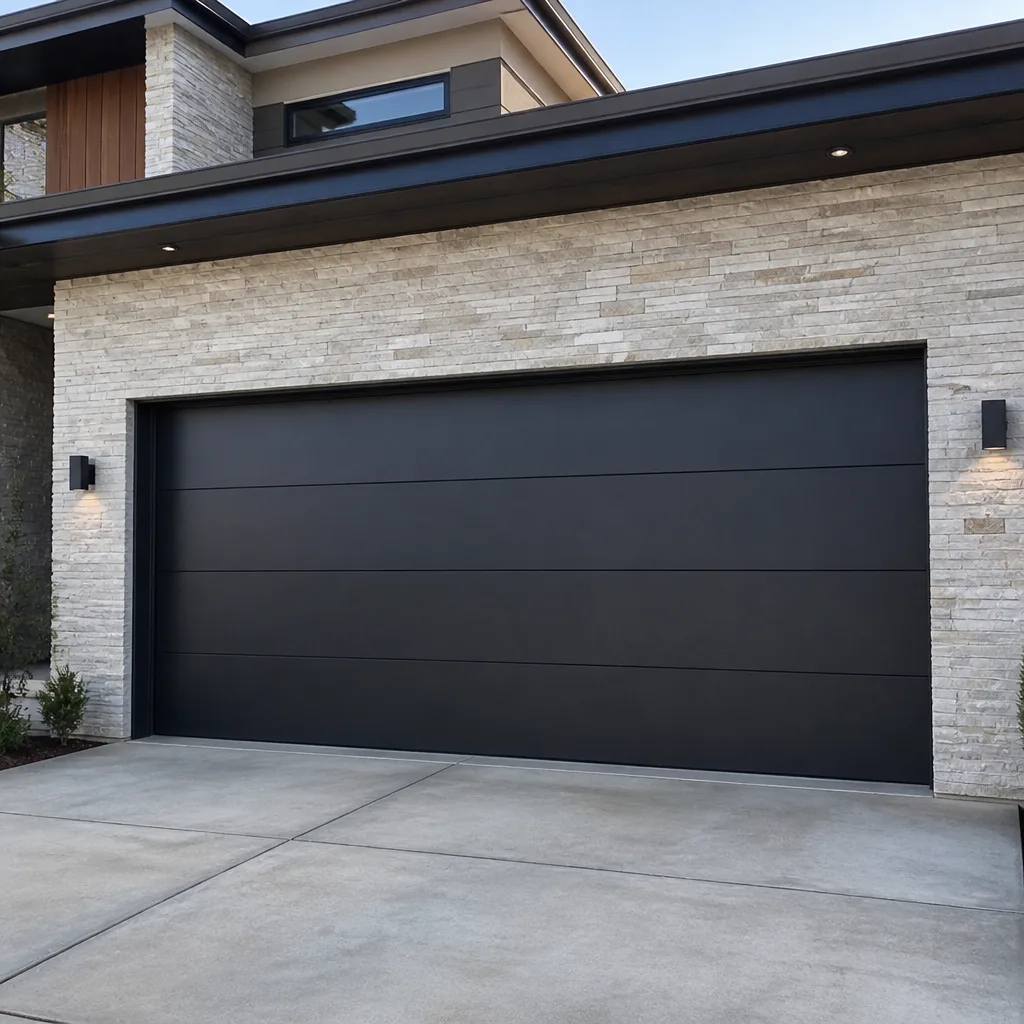 Modern flush
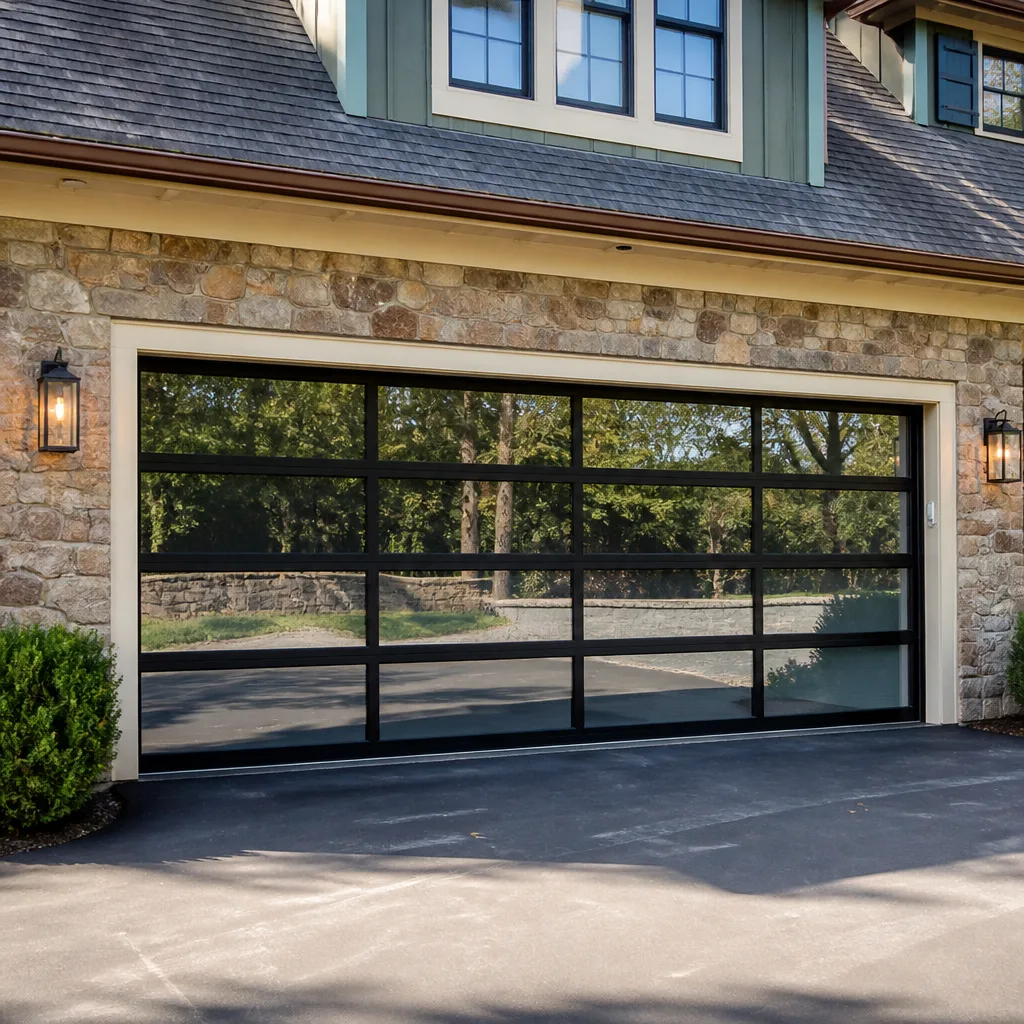 Full-view glass
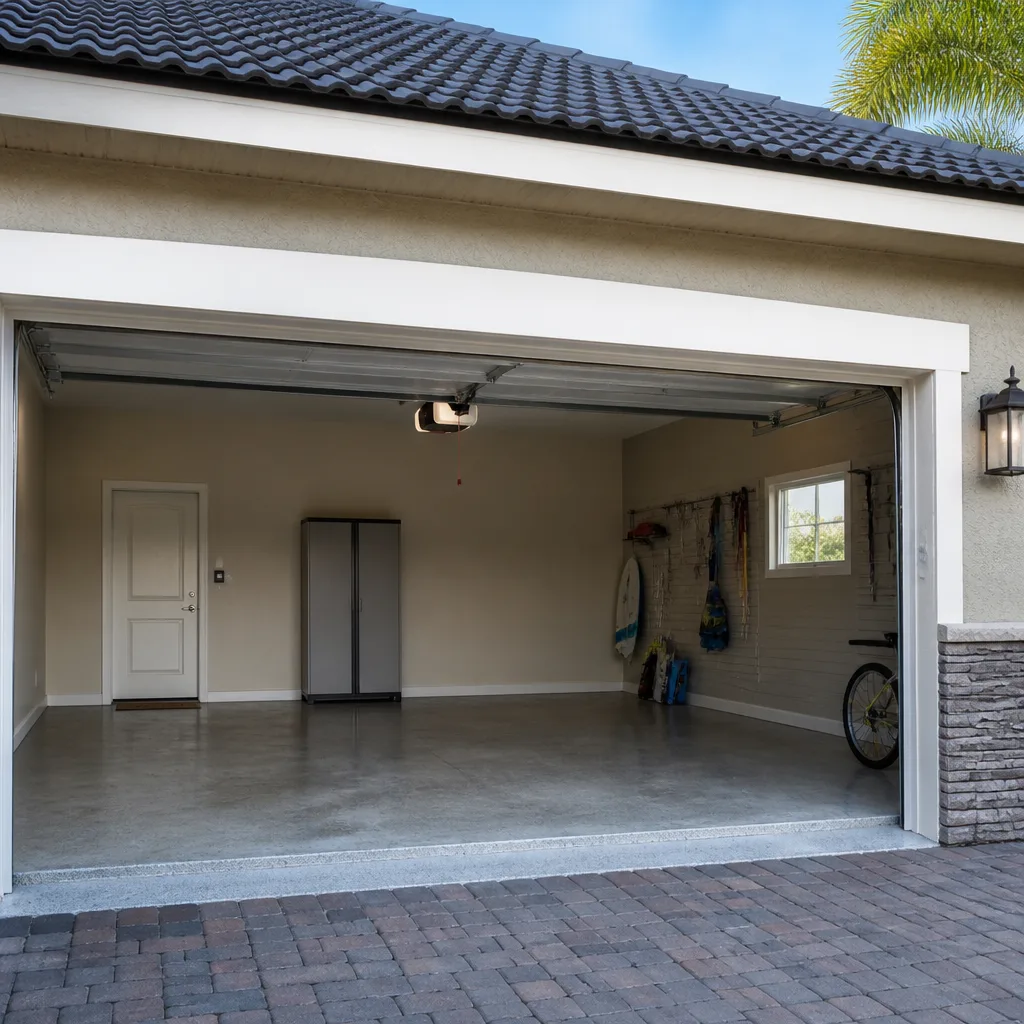 LiftMaster openers
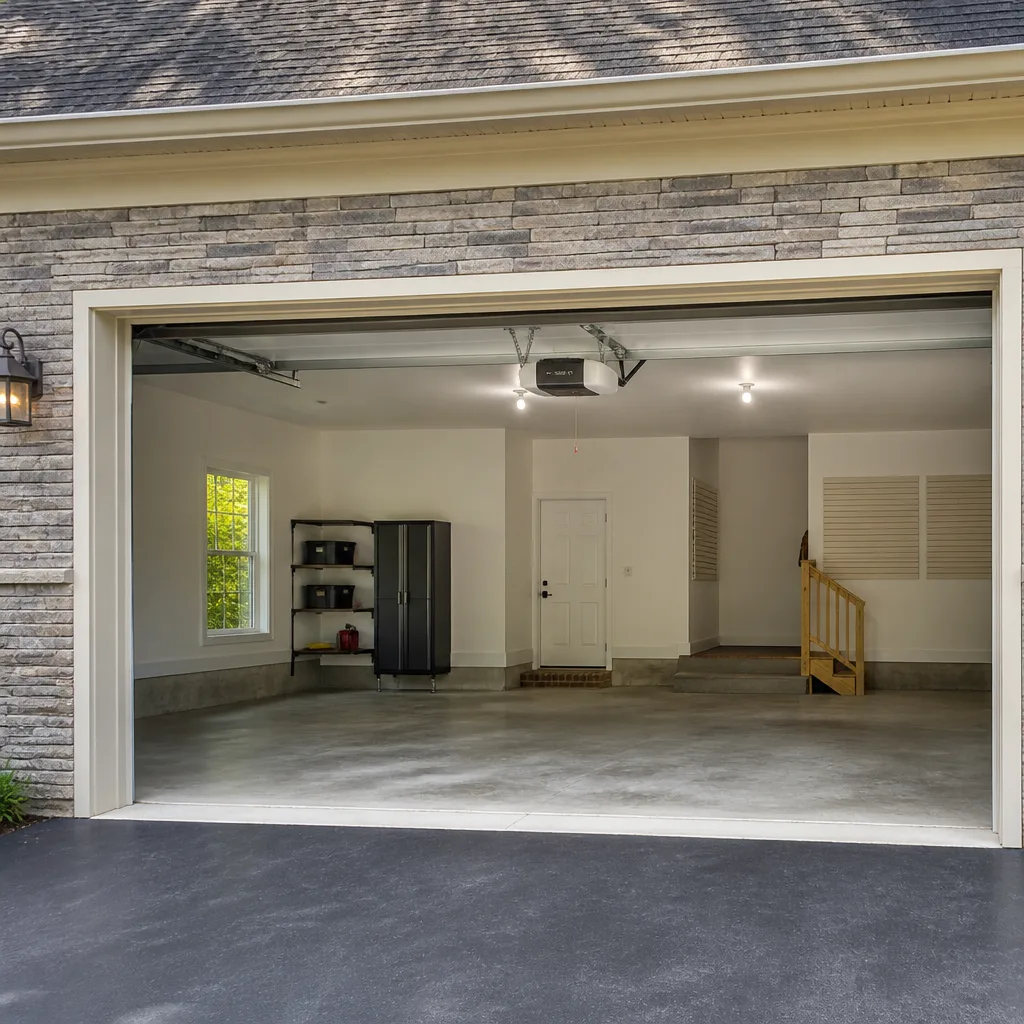 Chamberlain openers
Full 25-point door and opener safety check with every visit - springs, cables, rollers, tracks, and your LiftMaster or Chamberlain opener included
You get a price before we start. It does not change when the pro arrives.
Get your free estimateGarage Door Repair Maintenance Schedule: What to Do and When
The standard advice to lubricate your garage door once a year was written for a four-season climate. Avondale doesn’t have one. What we have is a long, brutal summer, a monsoon season that shows up with dust and humidity, and a mild winter that lulls everyone into forgetting the whole system. A single annual tune-up treats those three phases as if they were the same. They aren’t, and the failure modes aren’t either. This guide lays out a three-window annual schedule built for Avondale conditions: what to check, when to check it, and which tasks you can honestly handle yourself versus which ones belong to a technician.
Quick Answer
Garage doors in Avondale need maintenance three times a year, not once: a pre-summer prep in April, a post-monsoon inspection in September, and a winter tension check in December. Each window targets different components – heat-stressed springs and lubricant failure in spring, dust and moisture intrusion in fall, and tension and balance in winter. Between those three visits, a monthly 30-second balance test catches opener problems before they strand a car.
Styles & brands we work with
- Raised-panel steel
- Carriage house
- Modern flush
- Full-view glass
- LiftMaster openers
- Chamberlain openers
Table of Contents
- Why Avondale Needs Three Maintenance Windows, Not One
- The Avondale Garage Door Maintenance Calendar
- The Monthly Force Sensitivity Test (30 Seconds, One 2×4)
- Lubrication for Extreme Heat: What Actually Works Here
- How Long Each Component Lasts in Avondale
- Professional Tune-Up vs. What You Can Check Yourself
- Springs and Cables: Why This Is Never a DIY Job
- Opener Maintenance: The Component Everyone Ignores
Why Avondale Needs Three Maintenance Windows, Not One
A garage door system is a balance of tension, alignment, and friction. In a mild climate, those three forces stay roughly stable year-round, so a single annual service keeps everything in check. In Avondale, they don’t stay stable. Summer heat expands metal, softens lubricant, and works torsion springs harder than any winter could. Monsoon season then drops humidity into the teens-to-thirties range within days, driving dust into every track and hinge while moisture finds its way into places it shouldn’t. Winter, finally, is when the damage from the previous eight months shows up as a door that suddenly won’t stay balanced.
We see the pattern every year. Spring break calls spike in October and November, not in summer. Why? Because springs that lost tension slowly through the heat cycle finally fail once temperatures drop and the metal contracts. The break happens in fall, but the cause was set in July. That’s the entire argument for a three-window schedule: you address the conditions that cause failure, not the failure itself.
Homeowners in Avondale who run a single annual tune-up in, say, March are essentially doing pre-summer prep and skipping everything else. That leaves the door unprotected through monsoon season and unexamined through the winter tension shift. The three-window model closes both gaps.
The Avondale Garage Door Maintenance Calendar
Here’s the schedule we recommend for Avondale homes. Each window has a specific set of tasks tied to what the season does to your door.
April: Pre-Summer Prep
This is the most important window. Everything you do here protects the system through the worst of the heat.
- Lubricate all hinges, rollers, and the torsion spring with a high-temperature silicone spray (not white lithium – more on that below).
- Test the door’s balance by disconnecting the opener and lifting it halfway. It should stay put. If it drifts down, the springs are losing tension.
- Inspect weatherstripping along the bottom and sides for cracking, UV damage, or gaps.
- Run the force sensitivity test (described below).
- Check the opener’s safety reversal by placing an object in the door’s path and confirming it reverses on contact.
- Tighten all track and hinge bolts – heat expansion loosens hardware over time.
- Clean tracks with a dry cloth. Don’t lubricate them; grease attracts dust.
September: Post-Monsoon Inspection
Monsoon season leaves behind dust, grit, and moisture. This window is about clearing it out before it becomes wear.
- Vacuum or wipe all tracks clean. Dust buildup is the leading cause of roller wear in Avondale.
- Inspect rollers for flat spots or grinding. Replace any that have visible wear.
- Check hinges for rust or stiffness and re-lubricate.
- Look at the bottom seal for water intrusion or debris trapped underneath.
- Test the opener’s travel limits and re-set if the door is stopping short or overshooting.
- Inspect the photo-eye sensors for dust or misalignment.
December: Winter Tension Check
Temperatures have dropped, metal has contracted, and any tension loss from summer shows up now.
- Re-run the balance test. If the door won’t hold halfway, springs need professional adjustment or replacement.
- Check the cable drum for slack or uneven winding.
- Listen for unusual noise during operation – grinding, snapping, or popping.
- Inspect the springs visually for gaps, sagging, or rust streaks (a sign of impending failure).
- Confirm the opener’s safety features still work after the season change.
The Monthly Force Sensitivity Test (30 Seconds, One 2×4)
Every homeowner should run this test once a month. It’s the single best early-warning signal for opener problems, and it takes half a minute.
Lay a 2×4 flat on the ground in the center of the door’s path. Close the door using the wall control or remote. When the door contacts the 2×4, it should reverse immediately and return to the open position. If it presses down hard before reversing – or worse, doesn’t reverse at all – your opener’s force sensitivity is set too high. That’s a safety problem and a sign that the opener is straining against resistance it shouldn’t be fighting.
Why does this matter so much in Avondale? Because heat expansion and dust accumulation both increase resistance in the tracks, and an opener compensating for that resistance will gradually adjust its force settings higher and higher. By the time the door actually fails to reverse, the opener has been overworking for months. The monthly test catches the drift before it becomes a failure.
If your door doesn’t reverse on the 2×4, stop using the opener until a technician can look at it. This is a call-now situation, not a wait-and-see. For LiftMaster and Chamberlain openers, the force adjustment is on the back or side of the motor unit – but adjusting it correctly requires a technician who knows the specific model. We work on both brands regularly and can dial in the setting in a single visit.
Lubrication for Extreme Heat: What Actually Works Here
Here’s a mistake we see constantly: homeowners buy white lithium grease because that’s what the hardware store recommends, apply it in April, and then wonder why their door is grinding by July. White lithium grease has a working temperature ceiling around 90°F. Avondale garages regularly hit 110°F and above in summer. Above 90°F, lithium grease thins out, migrates off the surfaces it’s supposed to protect, and leaves hinges and rollers running dry.
The right product for Avondale is a silicone-based spray lubricant rated for high temperatures. Silicone doesn’t thin at the same rate, it doesn’t attract dust the way grease does, and it stays where you put it. Look for a spray explicitly labeled for garage door use and rated above 120°F.
Where to apply it:
- Hinges: one short spray at each hinge pivot point.
- Rollers: a light spray on the roller stem, not the wheel itself. Lubricating the wheel attracts dust and causes track buildup.
- Torsion spring: a light coat along the coil. This reduces friction between coils and extends spring life.
- Lock and handle: a dry lubricant, not silicone, for the keyway.
What not to lubricate: the tracks. This is counterintuitive, but grease in the tracks attracts grit and causes rollers to slide instead of roll. Keep the tracks clean and dry.
How Long Each Component Lasts in Avondale
Knowing the expected lifespan of each component lets you plan replacements instead of reacting to failures. The ranges below are typical for Avondale conditions – heat and dust accelerate wear on most components compared to milder climates.
- Torsion springs: 10,000 cycles (roughly 7-10 years of daily use, less in high-heat exposures).
- Cables: 8-10 years, but inspect annually for fraying or slack.
- Rollers: 5-7 years. Nylon rollers last longer than steel; replace when you see flat spots or hear grinding.
- Hinges: 10-15 years with regular lubrication, less if lubrication is skipped.
- Weatherstripping: 3-5 years in Avondale UV exposure. The desert sun degrades rubber faster than most climates.
- Opener motor: 10-15 years, depending on brand and use cycle. LiftMaster and Genie units tend to hold up well with regular maintenance.
- Photo-eye sensors: 10+ years, but clean and re-align annually.
The key insight here is that springs, cables, and weatherstripping all have overlapping lifespans. If your door is 8-10 years old and you haven’t replaced any of them, you’re likely approaching a cluster of failures. Scheduling a professional tune-up at that stage lets a technician evaluate all three at once and give you a clear picture of what’s coming.
Professional Tune-Up vs. What You Can Check Yourself
One of the biggest frustrations homeowners express to us is not knowing what a tune-up actually includes. That ambiguity makes it easy to feel upsold. So here’s the honest breakdown.
What you can legitimately check yourself
- Balance test (door holds halfway when disconnected from opener).
- Force sensitivity test with a 2×4.
- Visual inspection of springs, cables, and rollers.
- Cleaning tracks and photo-eye sensors.
- Lubricating hinges, rollers, and springs with silicone spray.
- Tightening visible bolts on hinges and tracks.
What a technician actually does during a tune-up
- Measures torsion spring tension with a gauge and adjusts to spec.
- Inspects cable drums and cables for hidden wear not visible from outside.
- Checks the opener’s internal gear and drive system for wear.
- Tests and adjusts the opener’s force and travel limits with a meter.
- Checks door alignment and track square (a level and straightedge go a long way).
- Inspects panel hardware and reinforcing struts.
- Verifies the safety reversal system and photo-eye alignment.
The distinction is simple: if a task involves measuring tension, adjusting force settings, or checking alignment with a tool, it belongs to a technician. If it’s cleaning, lubricating, or testing with your eyes and hands, you can do it. A good tune-up report should tell you exactly what was measured, what was adjusted, and what’s coming due.
Springs and Cables: Why This Is Never a DIY Job
Torsion springs and cables are under extreme tension. A wound torsion spring stores enough energy to cause serious injury if it releases unexpectedly, and cables under load can snap with force. There is no safe way to inspect, adjust, or replace these components without proper tools and training – and no “how-to” instruction we’d ever give in writing.
What you can do safely is inspect them visually and act on what you see:
- A visible gap in the spring coil (more than 1/16 inch) indicates imminent failure.
- A sagging or uneven spring needs a technician’s evaluation.
- Rust streaks on the spring suggest metal fatigue and impending failure.
- A door that won’t stay balanced or feels unusually heavy needs professional attention.
- Any popping, snapping, or sudden loud noise during operation is a spring or cable failure – stop using the door and call a technician.
If any of those signs appear, don’t cycle the door. Calling for a professional diagnosis is the right move every time.
Opener Maintenance: The Component Everyone Ignores
Most homeowners treat the opener as an afterthought – it’s the motor, it works, why worry about it? But the opener is the most failure-prone component in the system, and it’s the one that determines whether the door works at all after a power outage or an unusual load.
Opener-specific maintenance isn’t part of general door tune-ups at most companies. It should be. We treat it as a separate specialty because the components inside an opener are entirely different from the door: gear assembly, drive belt or chain, logic board, force settings, travel limits, safety reversal, and photo-eye alignment.
What to check quarterly on your opener:
- Force sensitivity test (monthly, ideally).
- Photo-eye alignment: the indicator lights on each sensor should be solid, not blinking.
- Remote and wall control responsiveness. If it takes two presses to open, the battery may be dying or the logic board may be failing.
- Audible noise. A grinding or whining opener usually means gear wear.
- Belt or chain tension. Loose chains slap and strain the motor.
If your door is driven by a Chamberlain, Genie, or LiftMaster unit, the maintenance schedule should include opener-specific checks at every window. If your opener is 10+ years old and hasn’t been serviced, it’s worth having a technician evaluate it – not to upsell a replacement, but to know whether the unit is on its last legs before it strands you.
Common Mistakes to Avoid
- Using white lithium grease in summer. It fails above 90°F and leaves hinges running dry. Use high-temperature silicone spray instead, and reapply every April.
- Skipping the December tension check. This is the window that catches the slow spring damage from summer. Miss it and the break shows up in a stranded car instead.
- Conditioning tracks with grease. Tracks should stay clean and dry. Lubricating them attracts dust from Avondale’s monsoon season and causes rollers to slide rather than roll.
- Ignoring the 2×4 test because the door “seems fine.” A door that closes without reversing is a safety hazard even if it looks and sounds normal.
- Replacing one spring when the pair is worn. A matched pair is designed to share the load. Replacing one without evaluating the other usually means the second fails within months.
- Assuming a visual inspection is enough. Cables and spring fatigue often aren’t visible. A technician’s gauge and meter catch problems your eyes can’t.
- Letting a 10-year-old door run on its original components. Springs, cables, and rollers all fail in clusters around that age. A tune-up at year 8 or 9 can keep you ahead of it.
See the difference
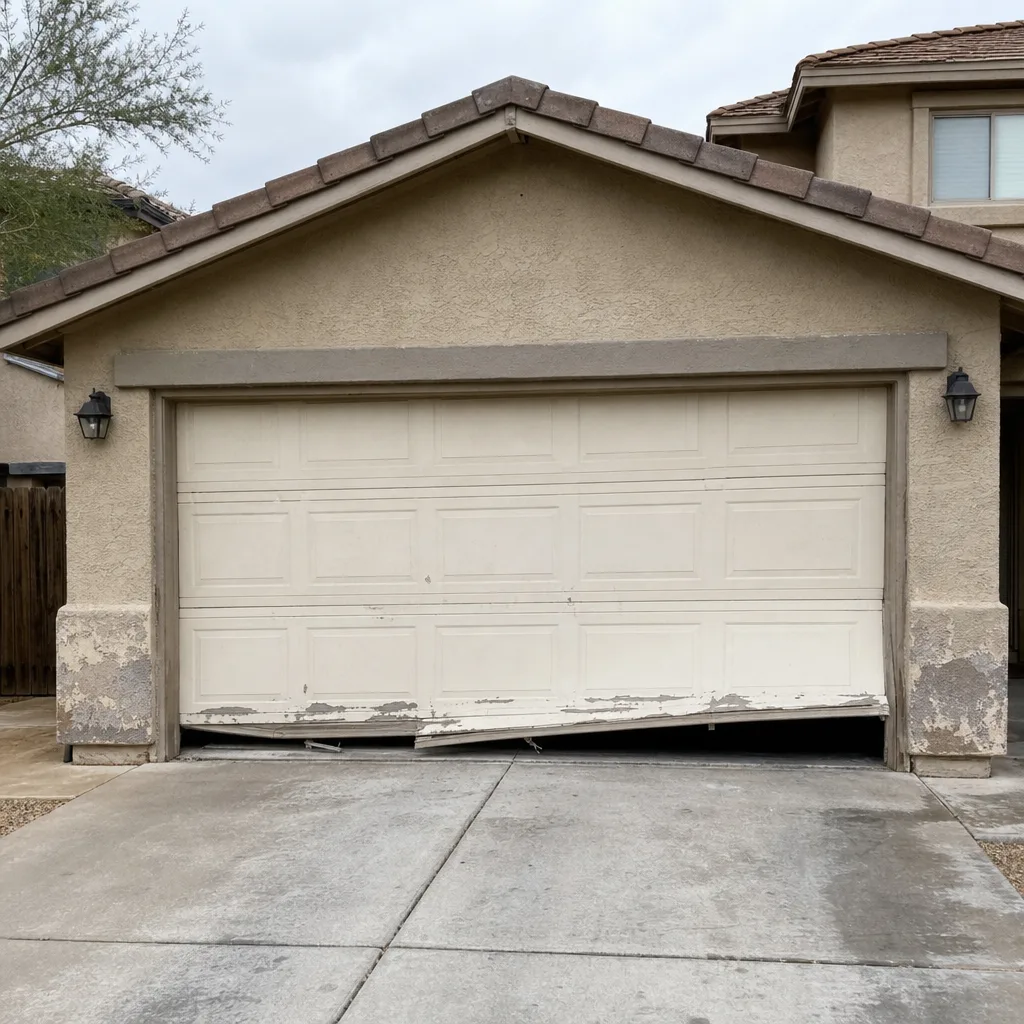 Before
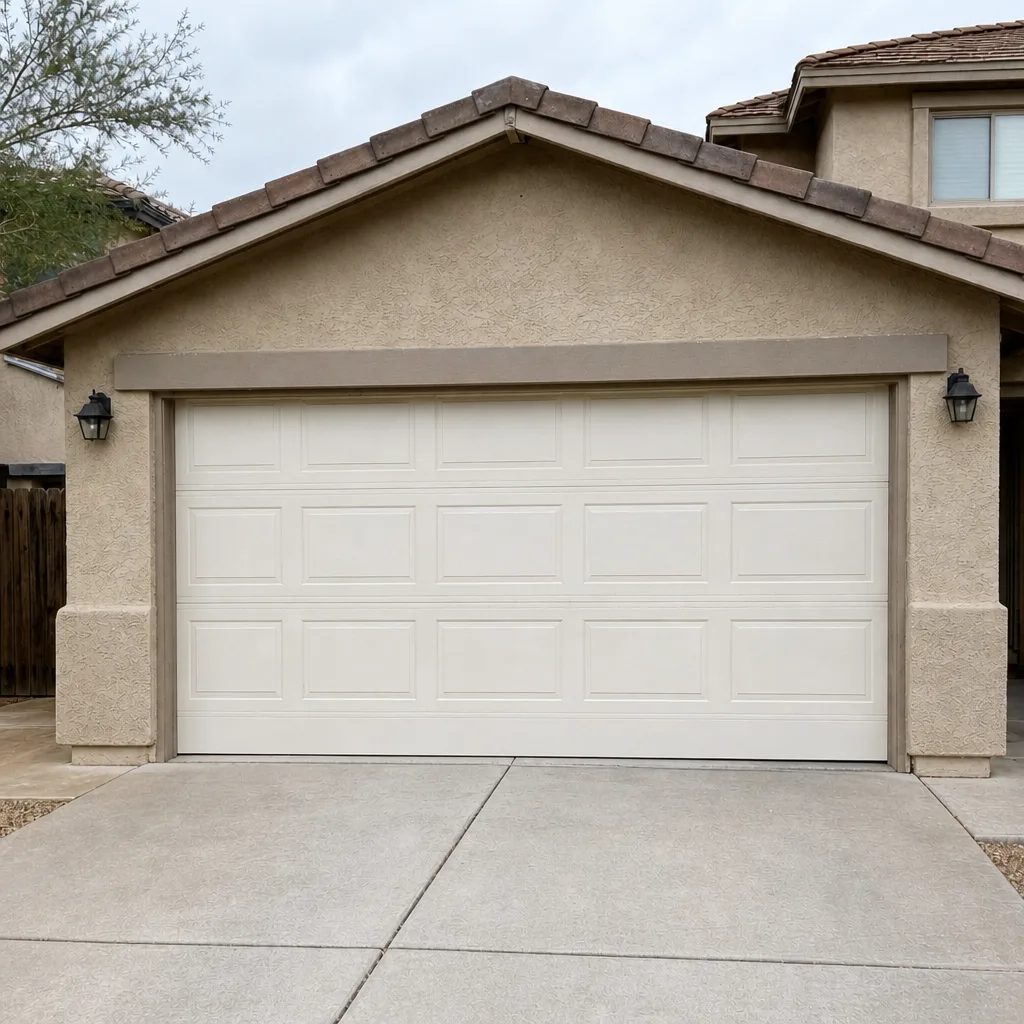 After
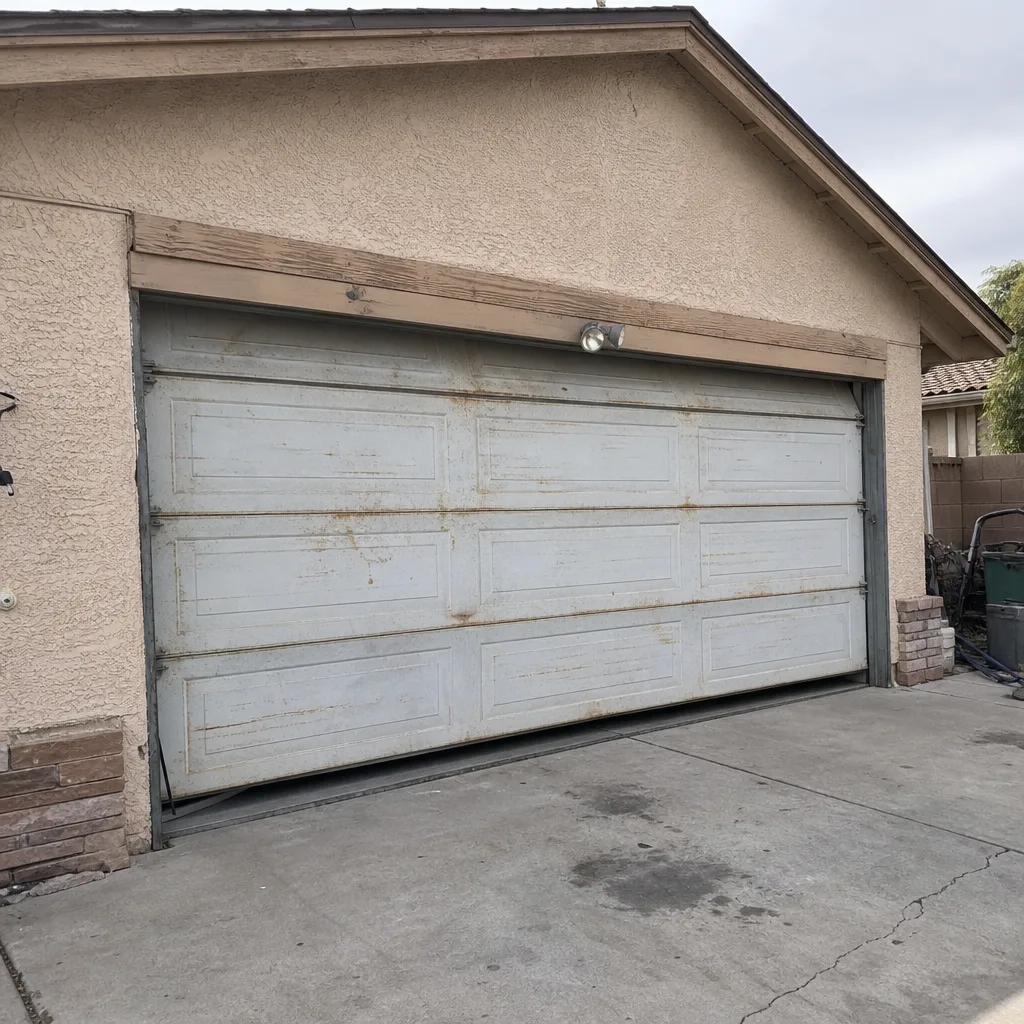 Before
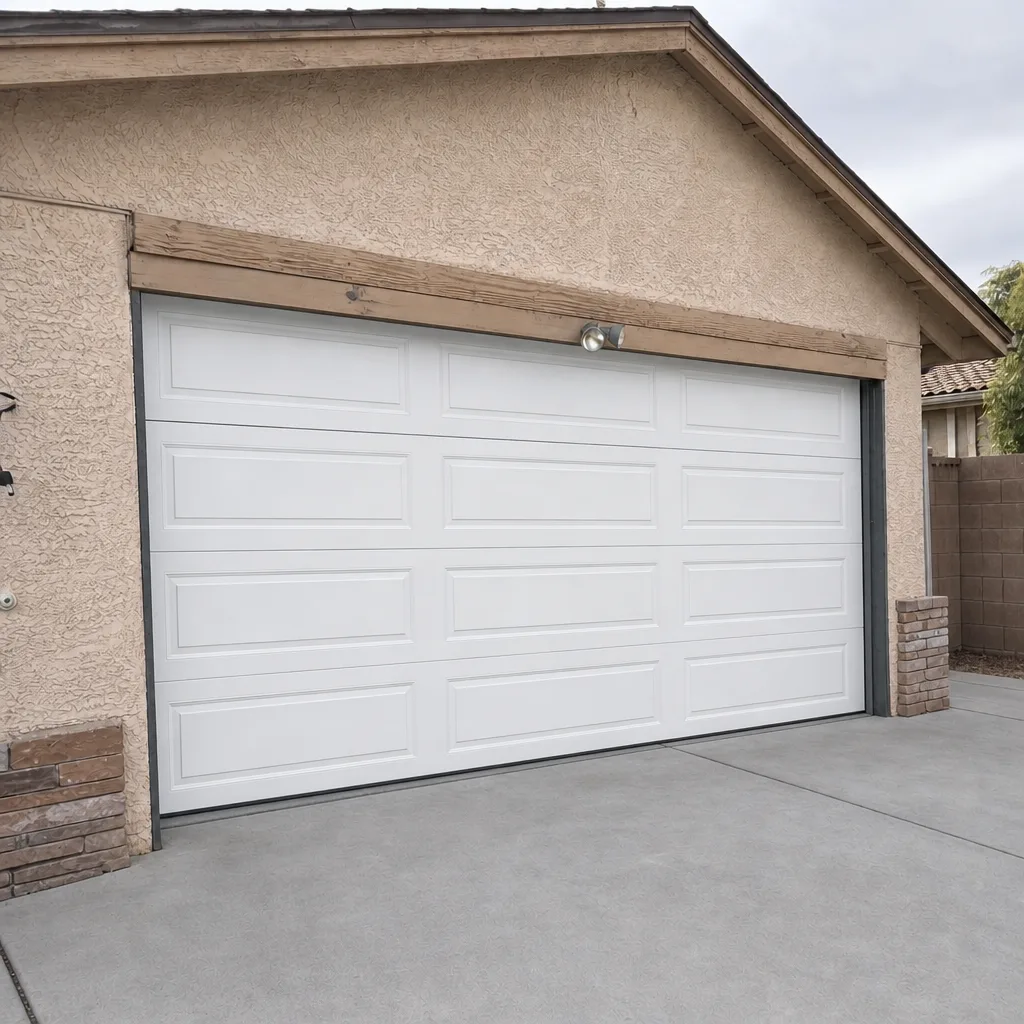 After
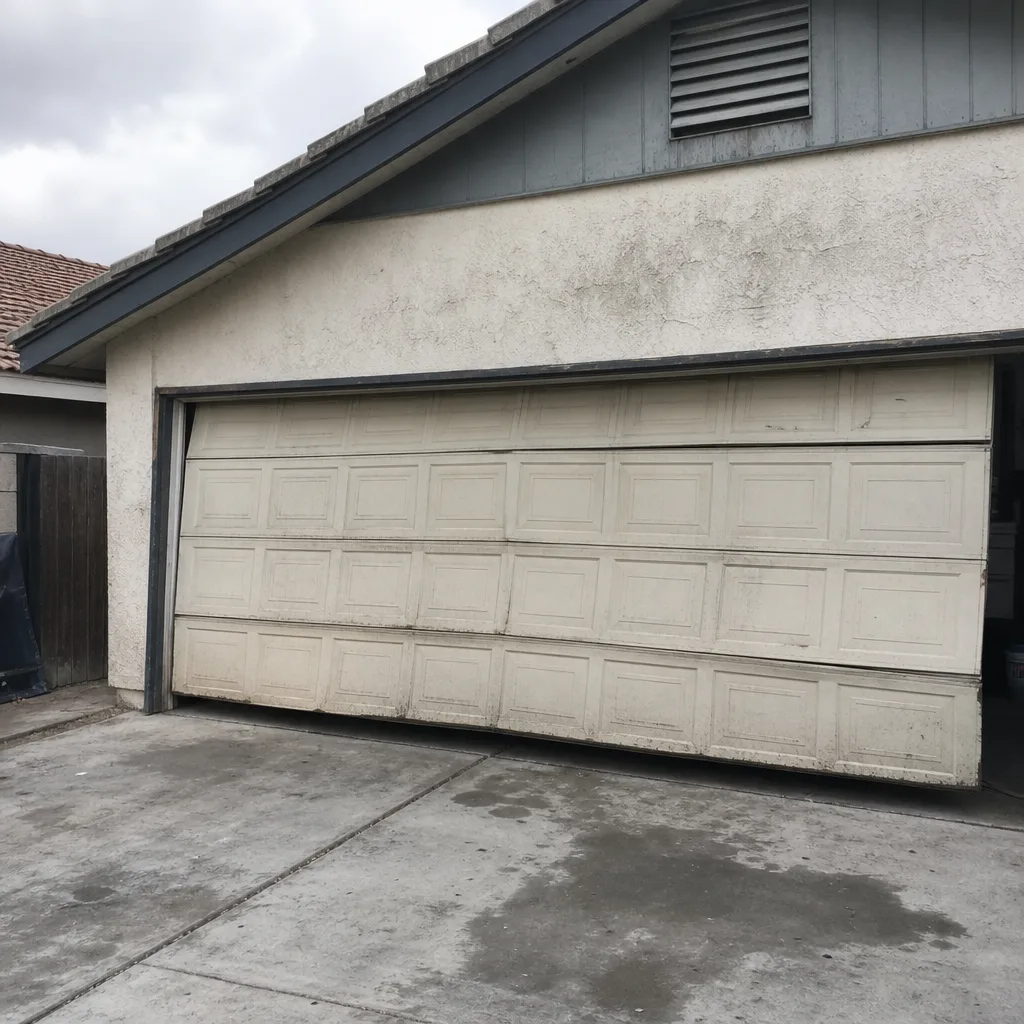 Before
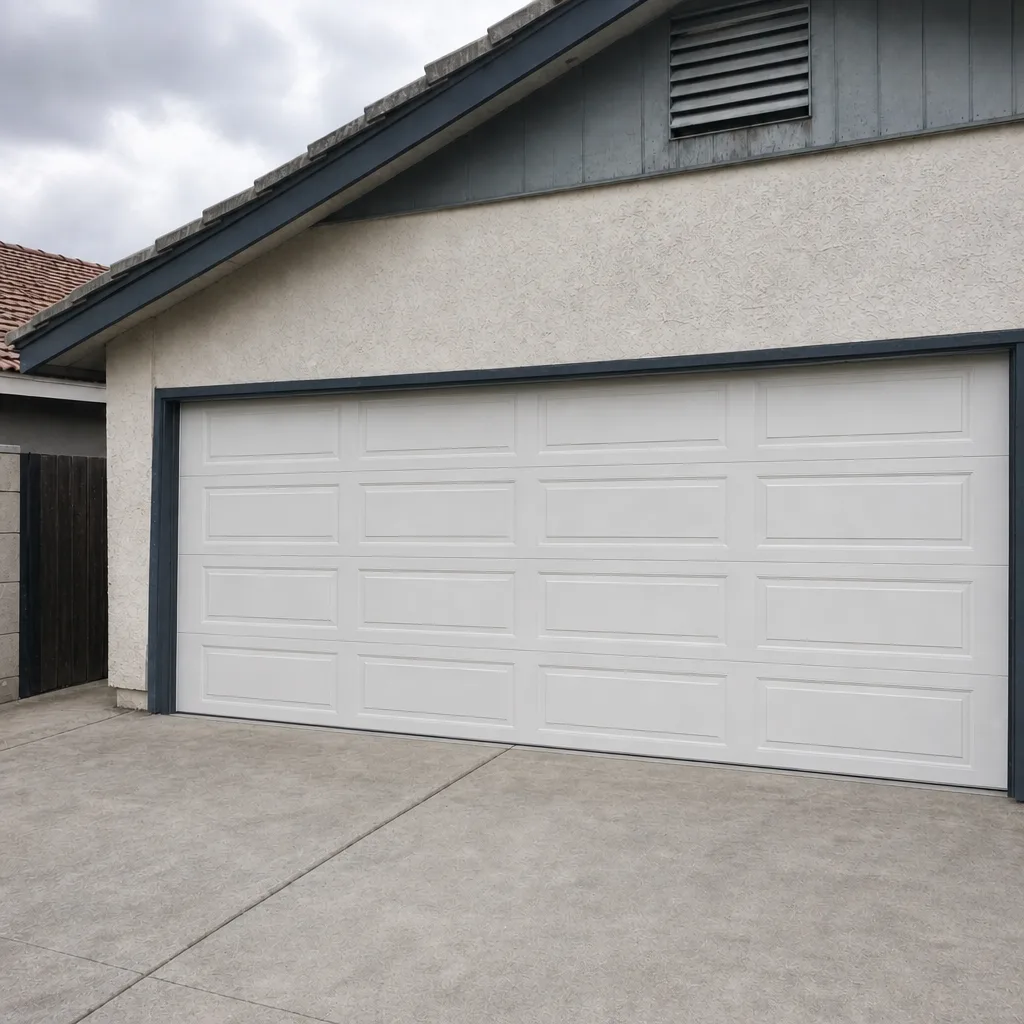 After
When to Call a Professional
Some maintenance belongs to you. The rest belongs to a technician, and knowing which is which prevents both unnecessary service calls and unsafe DIY attempts. Call a professional when: your door fails the balance test or the 2×4 force sensitivity test; you see a gap in a spring, rust streaks, or sagging; the door makes popping, snapping, or grinding noises; the opener stops reversing or the photo eyes won’t stay aligned; the door is 8-10 years old and hasn’t had a professional inspection; or you can’t remember when the last tune-up happened. Hawk Garage Door Repair offers free estimates in Avondale – call (877) 824-4815. We answer 24/7. Fast dispatch from 7am to 7pm, Sunday through Friday.
Frequently Asked Questions
Three times a year: April for pre-summer prep, September for post-monsoon inspection, and December for the winter tension check. The three-window model targets different failure modes in each season. A single annual tune-up misses the monsoon dust and the winter tension shift that Avondale doors actually face.
You can safely handle cleaning, lubricating, visual inspection, and the 2×4 force test. Anything involving spring tension, cable inspection, opener force adjustment, or alignment requires a technician. If a task requires a gauge or meter, it’s not a DIY task.
The price is set per job by the written estimate, and it depends on what your door actually needs – a light tune-up for a newer door runs less than a full inspection with spring adjustment on an older system. Call (877) 824-4815 for a free estimate. We tell you what’s wrong before we tell you the price, and the estimate is free.
Look for a visible gap in the spring coil (more than 1/16 inch), rust streaks, sagging, or a door that won’t hold halfway when disconnected from the opener. Any of those signs means stop using the door and call a technician. Springs that are 7-10 years old or older should be evaluated regardless of appearance.
Springs lose tension gradually through summer heat cycles and fail when temperatures drop and the metal contracts. That’s why Avondale sees a spike in spring breaks in October and November. The break happens in fall, but the cause was set during the summer. The December tension check exists specifically to catch this before it strands you.
A tune-up covers the door: springs, cables, rollers, hinges, tracks, and weatherstripping. Opener repair covers the motor unit: gear assembly, drive system, logic board, force settings, and safety features. They’re different systems, and a proper maintenance schedule includes both. For specific opener troubleshooting, our garage door opener repair page covers the failure modes we see most in Avondale. If your door needs mechanical repair rather than maintenance, our garage door repair service handles springs, cables, panels, and track work.
The Bottom Line
The right maintenance schedule for an Avondale garage door is three windows, not one: April, September, and December, each targeting a different failure mode. Between those windows, run the 30-second 2×4 force test monthly. Use high-temperature silicone spray, not white lithium grease – Avondale summers eat lithium for breakfast. Know the lifespan of each component so you can plan replacements rather than react to failures. And when a task involves springs, cables, or opener force settings, call a technician – those are the parts of the system that cause injuries when handled without the right tools. Hawk Garage Door Repair handles garage door repair, opener repair, and installation under one name, and our technicians have up to 15 years of experience across eight major brands. If you’re not sure where your door stands, call (877) 824-4815 for a free estimate. We answer 24/7. Fast dispatch from 7am to 7pm, Sunday through Friday.
Written by the team at Hawk Garage Door Repair.