
Last updated November 15, 2026
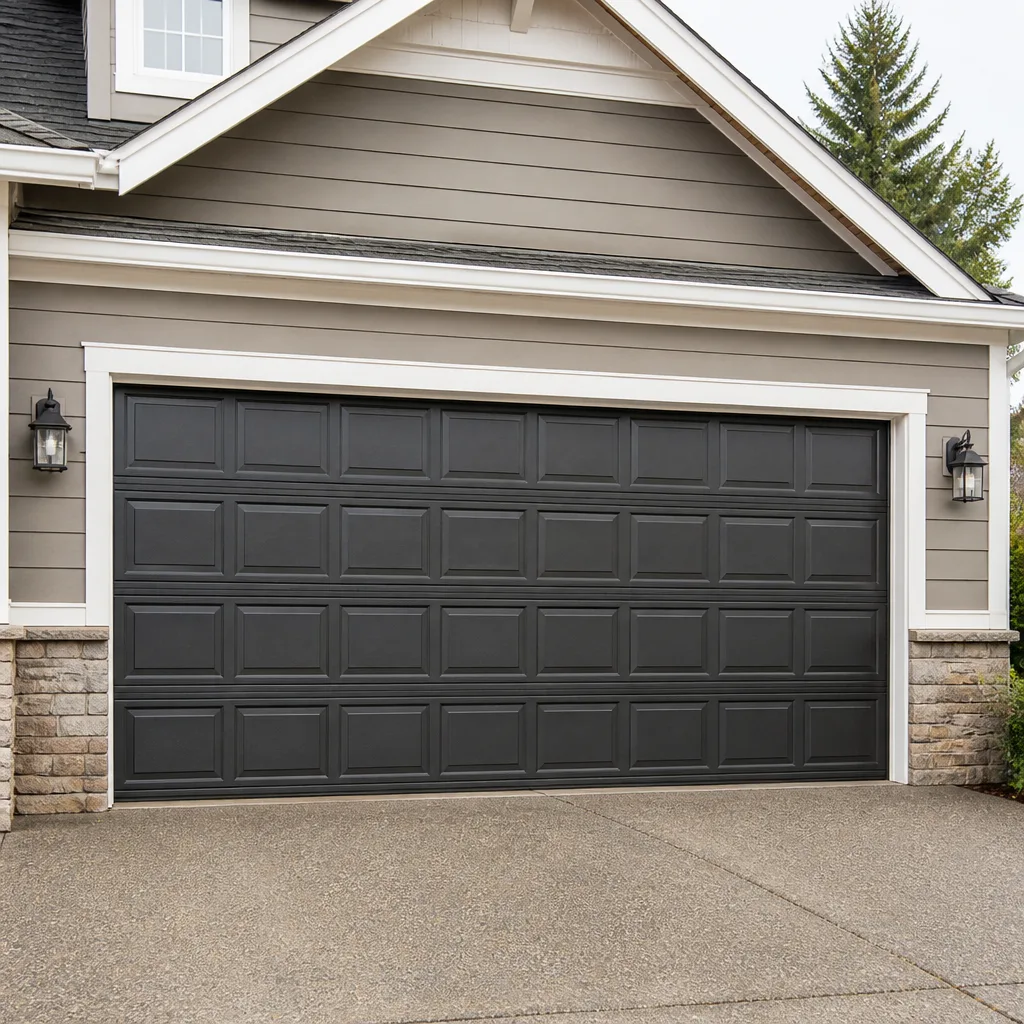 Raised-panel steel
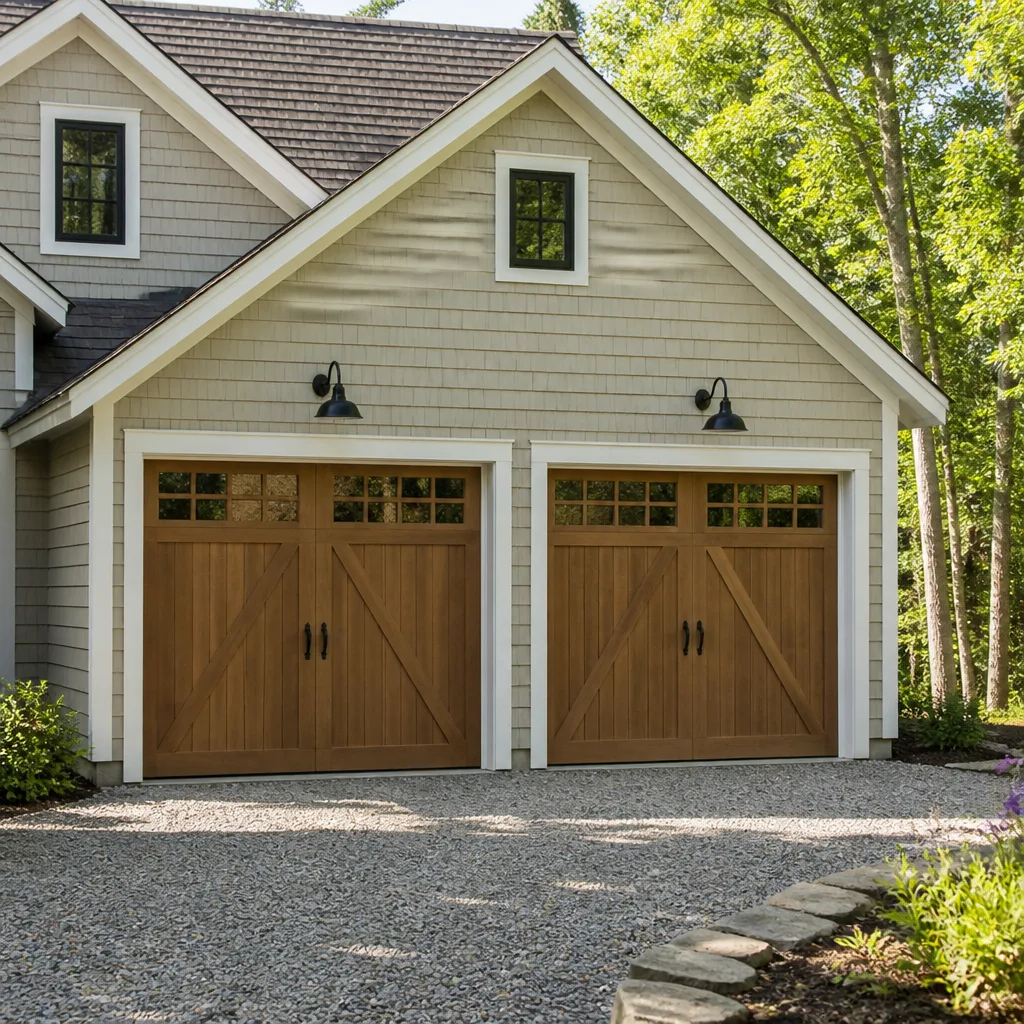 Carriage house
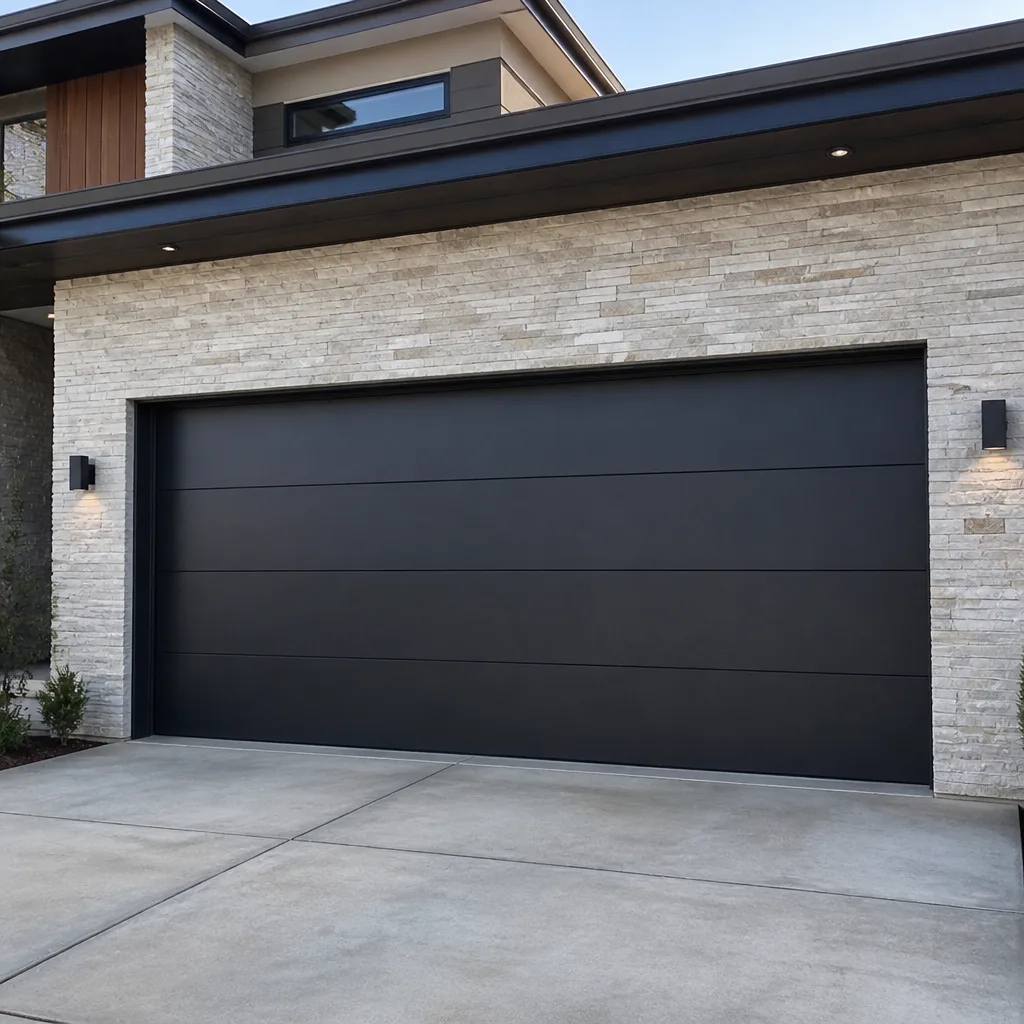 Modern flush
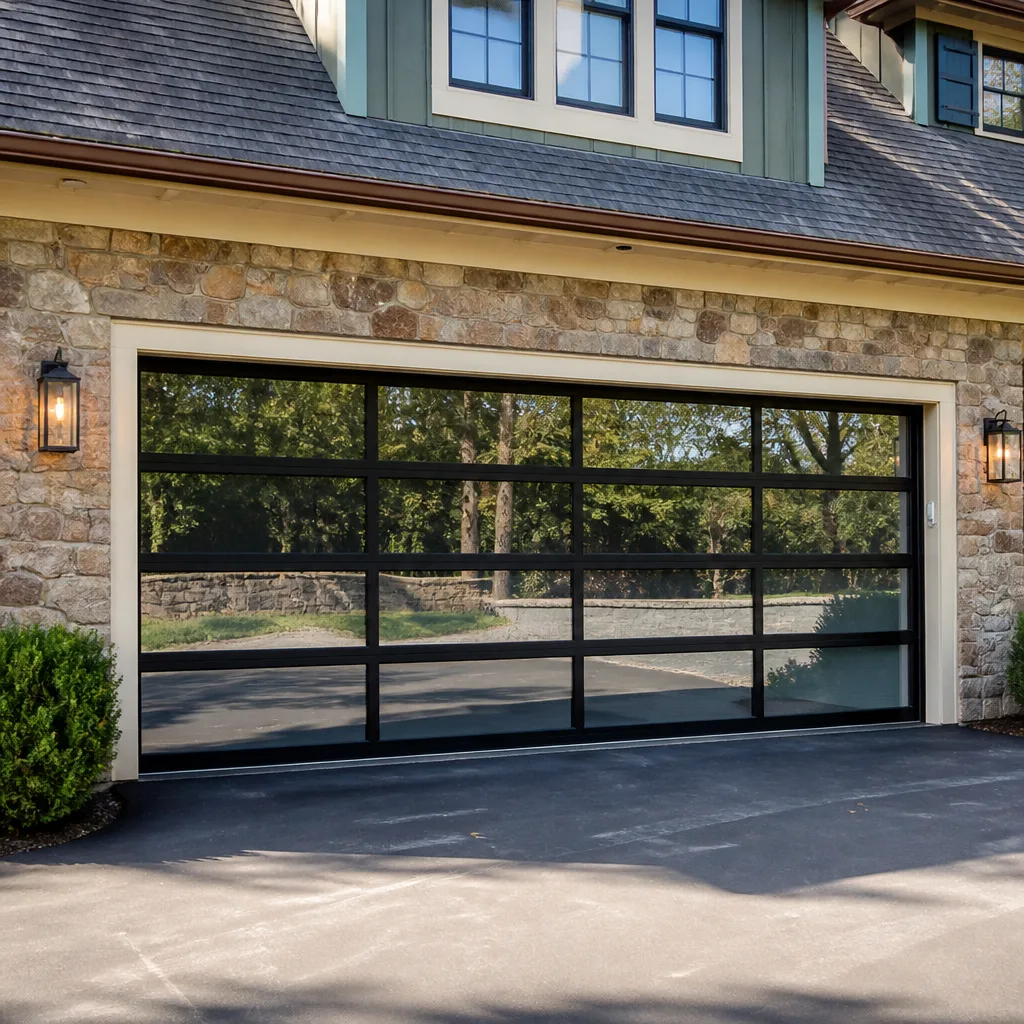 Full-view glass
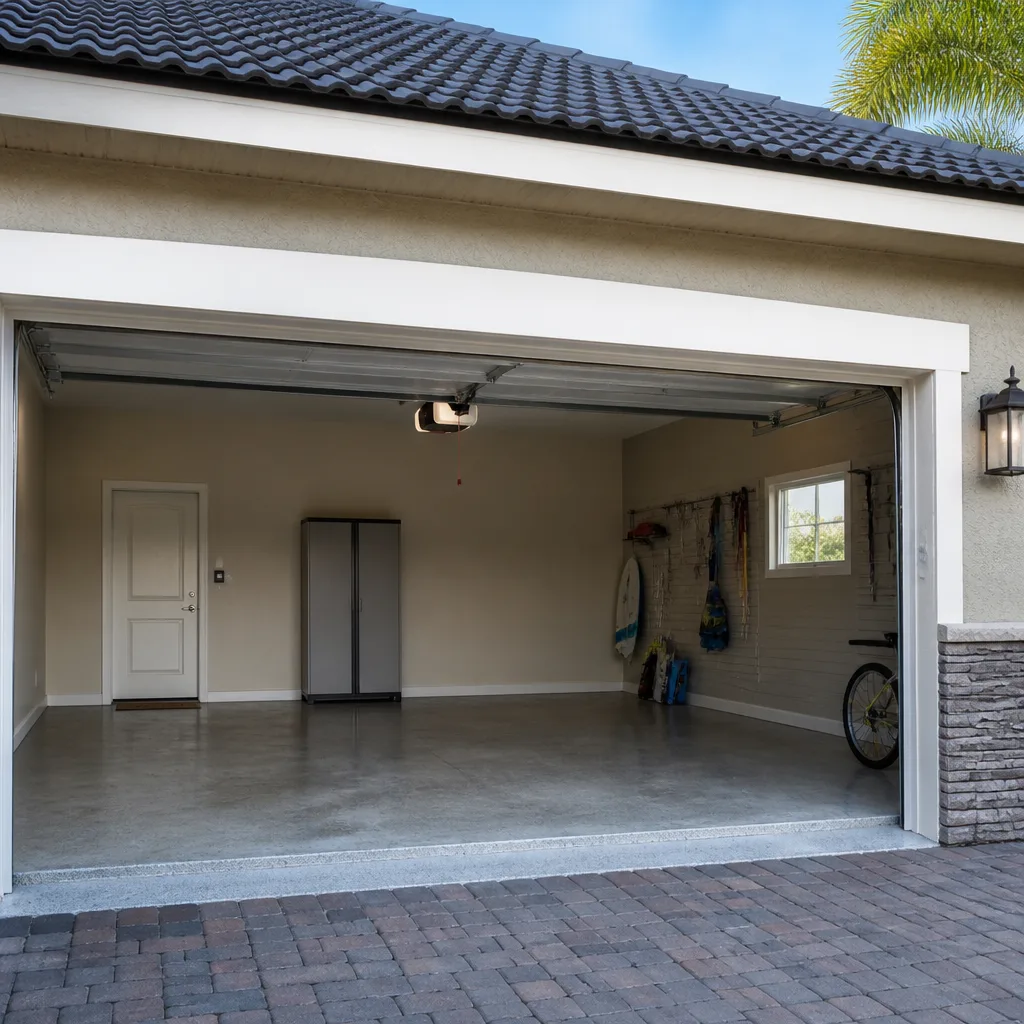 LiftMaster openers
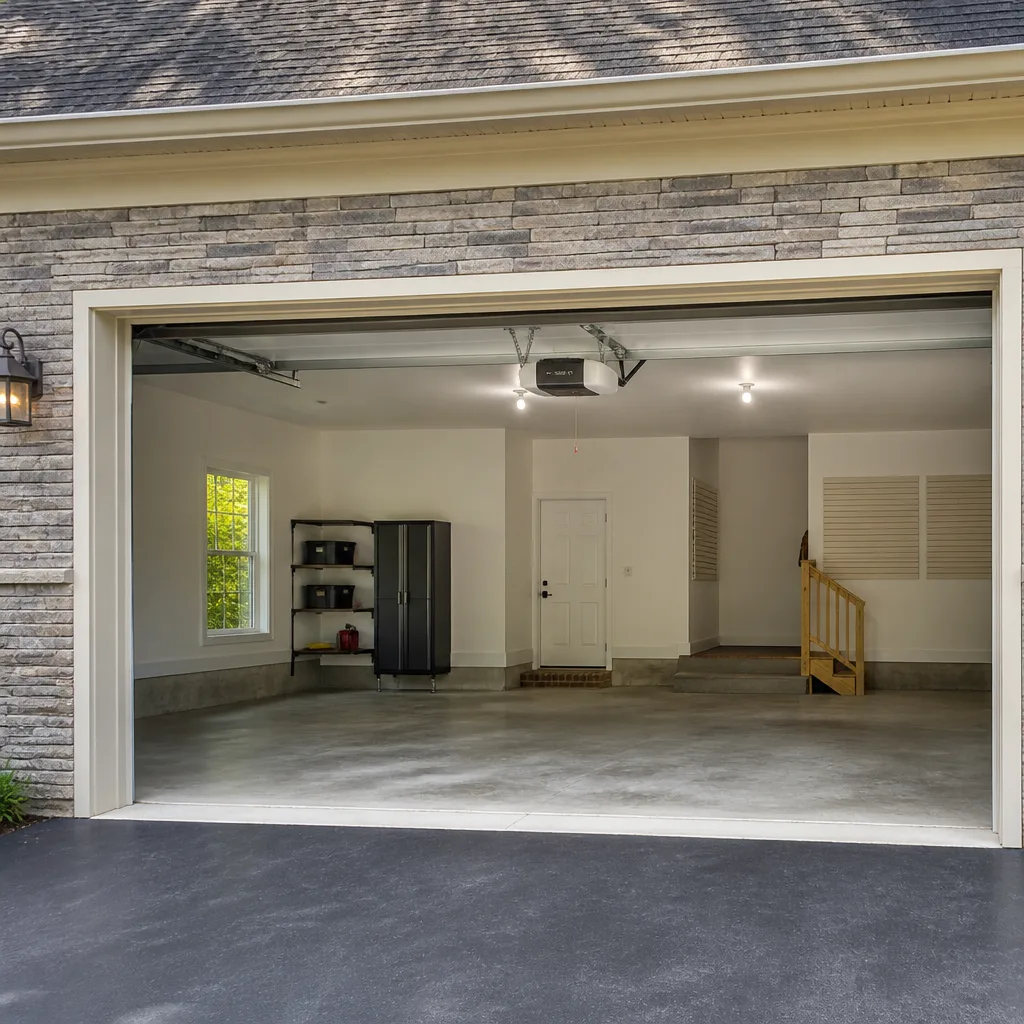 Chamberlain openers
Full 25-point door and opener safety check with every visit - springs, cables, rollers, tracks, and your LiftMaster or Chamberlain opener included
You get a price before we start. It does not change when the pro arrives.
Get your free estimateGarage Door Repair Maintenance Checklist for Avondale Homeowners
Lubrication intervals on your door’s manufacturer sticker were written for a climate that isn’t yours. Most national maintenance charts assume four mild seasons, steady humidity, and a door that sits through a real winter. Avondale runs on a different schedule: months of triple-digit heat, fine dust that finds every hinge, and sun that cooks rubber seals long before the hardware wears out. Follow a Midwest calendar here and you’ll be two months behind exactly where it hurts. This guide organizes garage door upkeep around the failure sequence this desert actually produces, from spring to sensor, so you know what to check, when to check it, and what to leave to a technician. Call (877) 824-4815 for a free estimate. We answer 24/7. Fast dispatch from 7am to 7pm, Sunday through Friday.
Quick Answer
A garage door in Avondale needs lubrication roughly every two to three months rather than twice a year, a balance-and-seal inspection before and after summer, and sensor checks each time the seasons shift. The desert heat, dust, and UV exposure mean the rollers, hinges, and weather seal wear faster than the manufacturer schedule assumes. Most visual checks you can do yourself in ten minutes; spring, cable, and opener-internals work belongs to a trained technician.
Styles & brands we work with
- Raised-panel steel
- Carriage house
- Modern flush
- Full-view glass
- LiftMaster openers
- Chamberlain openers
Table of Contents
- Why Avondale Doors Age on a Different Schedule
- The Desert Lubrication Guide
- Inspecting the Seals UV Destroys First
- Testing Door Balance Without Touching the Springs
- Sensor Drift and the Summer False Reversal
- Your Printable Avondale Seasonal Checklist
- Common Mistakes to Avoid
- When to Call a Professional
Why Avondale Doors Age on a Different Schedule
A garage door here lives a harder life than the same door in a temperate climate. The heat alone changes the materials. Steel panels expand when the afternoon temperature climbs and contract again once the sun drops, and that daily cycle works slowly on every fastener, hinge pin, and track joint. Over a summer, that flexing loosens what a cooler climate would leave tight for years.
The dust compounds it. Avondale sits in the West Valley where fine airborne grit is a fact of life, and a haboob during monsoon season can push a fresh layer of it into every gap in a matter of hours. That dust settles on any lubricant that has thinned out, and the mixture turns into a gritty paste that grinds at the rollers and hinge pins instead of protecting them.
Then there’s the sun. Ultraviolet exposure is relentless on the south and west faces of a home, and it attacks the rubber and vinyl seals around your door faster than any other component. Seals go brittle, crack, and lose their grip, which lets in more dust and, in monsoon season, more water. In our experience, the failure order in Avondale runs predictably: seals first, then lubricated moving parts, then opener sensors, then springs. A checklist built around that sequence keeps you ahead of repairs rather than reacting to them. You can see the full range of what we handle on our Hawk Garage Door Repair page.
The Desert Lubrication Guide
The single biggest maintenance mistake Avondale homeowners make is using the wrong lubricant. A thin general-purpose spray or a light household oil feels like it’s working on a cool morning, but by the time the garage hits 110°F it has thinned out, migrated off the parts, and turned into a dust magnet. The right product is a lithium- or silicone-based grease designed to stay put at high temperature and resist washout, applied sparingly to the hinge pins, the roller stems, and the bearing plates.
Here’s the sequence we walk through on a maintenance visit:
- Close the door fully and disconnect nothing. Keep your hands clear of the torsion bar, springs, and cables at all times.
- Wipe each hinge pin and roller stem with a dry cloth to remove the dust-and-grease paste before adding fresh lubricant. You’re cleaning first, then protecting.
- Apply a small dab of high-temperature grease to each hinge point and roller bearing. A little goes a long way; too much collects dust.
- Wipe a thin film on the vertical and horizontal track with a dry cloth only. Never grease the track itself, since lubricant there grabs grit and causes the rollers to skip.
- Check that the spring and cable assemblies are clean and dry, but do not apply anything to them. Those parts need a technician’s eye, not a homeowner’s spray can.
The interval matters as much as the product. Where a manufacturer chart says “lubricate twice yearly,” plan for every two to three months in Avondale, and more often if your home backs onto open desert or a dusty lot. If you have an Amarr or Wayne Dalton door, the hardware is built to take this kind of use, but it still needs the shorter desert cycle. If you’d rather have it done as part of a repair visit, our garage door repair service covers lubrication and adjustment together.
Inspecting the Seals UV Destroys First
The weather seal along the bottom of your door and the perimeter seals around the frame are the most UV-exposed parts of the whole system, and they fail quietly. A national checklist barely mentions them; in Avondale they should be the first thing you look at every season. When a bottom seal hardens and cracks, it stops making contact with the floor, which lets dust in, lets monsoon water in, and forces the opener to work harder to close against a gap.
Run through this inspection in late spring, before the worst heat, and again when the monsoon pulls back:
- Bottom seal: Press it with your thumb. If it feels hard or brittle instead of rubbery, or if you see cracks along its length, it’s due for replacement.
- Perimeter seals: Look for gaps between the door edge and the frame, curling at the corners, and any spot where daylight shows through when the door is shut.
- Panel finish: Check the paint or finish on the sun-facing panels. Chalking, fading, or a chalky residue on your hand means the UV is breaking down the coating, which is the early stage of rust on a steel door.
- Windows and inserts: On doors with glazing, look for cracked or cloudy plastic where the sun hits hardest.
Replacing a bottom seal is a job a handy homeowner can often manage with the right part, but perimeter seals and panel refinishing go faster with a technician who has seen how these materials behave under West Valley sun. Either way, don’t wait for a visible gap to prompt the check. If the seal on a Clopay or Craftsman door looks tired, treat it as a scheduled task, not an emergency. Learn more about our work across Avondale.
Testing Door Balance Without Touching the Springs
You don’t need to touch a spring to know whether your springs are healthy. Door balance is the safest proxy a homeowner has. The springs do the heavy lifting on a garage door, and when they start to lose tension, the door stops holding its position and the opener has to make up the difference. Testing balance tells you what you need to know while keeping your hands well away from high-tension hardware.
Here’s how to test it safely:
- Close the door and pull the opener’s manual release cord so the door is disconnected from the motor. The door should now move by hand.
- Lift the door to about waist height and let go. A healthy, balanced door stays put or drifts only slightly.
- Repeat at the halfway point, then near the top. If the door slides down on its own at any point, the springs have lost tension.
- Listen for a scraping or grinding sound as you move the door, and notice whether one side feels heavier than the other.
- Reconnect the opener when you’re done.
A door that falls on its own or feels unbalanced needs professional attention, because the fix involves adjusting or replacing springs under extreme tension. Never attempt to adjust, remove, or wind a torsion or extension spring yourself. That work causes serious injuries every year, and it’s the one part of this checklist that should always go to a trained technician. If your balance test fails, stop using the door and have it looked at.
Sensor Drift and the Summer False Reversal
If your door reverses for no obvious reason on a hot afternoon, the culprit is often the safety sensors, not the opener’s logic board. The two photo-eye sensors sit near the floor on either side of the door, and the door frame they’re mounted to expands in the heat. That tiny movement is enough to nudge a sensor out of alignment, so the beam misses and the opener treats it as an obstruction. It’s a seasonal pattern, and it shows up in Avondale right when the heat peaks.
The good news is that sensor alignment is a safe, simple check:
- Look at the small indicator light on each sensor. Steady means aligned; flickering or off means the beam is broken or the sensor has drifted.
- Wipe both lenses with a dry cloth, since dust alone is enough to interrupt the beam.
- Check that nothing (a broom, a trash bag, a length of garden hose) is in the path of the beam.
- If the light still won’t steady, gently adjust the bracket so the two sensors face each other squarely.
If realigning the brackets doesn’t hold, the sensor or its wiring may need attention, and that’s a job for someone who knows the opener. Opener internals are our specialty rather than a sideline, whether it’s a LiftMaster, a Chamberlain, or an older unit. Our garage door opener repair team can diagnose sensor faults and logic board issues on the spot, and we tell you what’s wrong before we tell you the price. Call (877) 824-4815 for a free estimate.
Your Printable Avondale Seasonal Checklist
Instead of four equal quarters, build your maintenance year around Avondale’s real seasons: the run-up to summer, the deep-heat stretch, the monsoon window, and the mild cool season. Each period has its own priorities. Print this table and keep it in the garage.
| Season | Task | Do It Yourself or Call a Tech |
|---|---|---|
| Spring (before the heat) | Full seal inspection (bottom, perimeter, glazing); balance test; sensor light check | DIY for inspection; tech for seal replacement |
| Spring (before the heat) | Clean and grease hinge pins and roller stems with high-temp grease | DIY |
| Summer (deep heat) | Re-check sensor alignment after the first heat wave; listen for new noises | DIY for alignment; tech for a persistent fault |
| Summer (deep heat) | Re-lubricate moving parts; check that the door closes flush to the floor | DIY |
| Monsoon | Clear dust from tracks and sensor lenses; check seals for water gaps | DIY |
| Monsoon | Inspect springs and cables for wear; check track alignment after any storm | Call a tech, never DIY on springs or cables |
| Cool season | Test the opener’s force and travel limits; check all fasteners | Tech recommended |
| Cool season | Touch up paint on sun-faded panels; replace worn rollers | DIY for paint; tech for roller replacement |
The pattern to notice is that dust and heat tasks repeat. A door in Raynor or Wayne Dalton hardware still needs the mid-summer re-grease, and any opener benefits from a season-shift sensor check. Book a technician for the spring-and-cable inspection at the start of monsoon season, when the dust load is heaviest and the door is working hardest.
Common Mistakes to Avoid
- Waiting for something to break before lubricating. In Avondale heat, a dry hinge pin starts grinding within a couple of months, and that wear becomes a repair bill rather than a ten-minute chore. Follow the shorter desert interval and you’ll avoid the most common avoidable failure.
- Greasing the tracks. Many homeowners assume more lubricant is better, but grease on the track collects the fine West Valley dust into a gritty mess that makes rollers skip. Keep the track clean and dry, and focus the grease on hinges and roller bearings.
- Using thin spray oil instead of high-temp grease. The thin product burns off or migrates in 110°F heat and leaves the parts unprotected right when they need it most. Spend a few dollars more on the right product.
- Ignoring cracked bottom seals until monsoon. A brittle seal that no longer touches the floor lets dust and water in for months before you notice a puddle. Check it in spring and replace it before the rains, not after.
- Trying to fix a balance problem by touching the springs. The most dangerous mistake on this list, and the one that sends people to the hospital. Springs and cables hold tremendous tension; leave them to a trained technician.
- Blaming the opener for a sensor fault. A door that reverses on hot afternoons is usually dealing with a drifted sensor, not a dying motor. Check the sensor lights before assuming the opener needs replacement.
- Letting sun-faded panels go unpainted. UV exposure breaks down the finish on the sun-facing side of the door, and once that coating is gone, rust sets into steel panels. A seasonal paint touch-up delays that wear.
See the difference
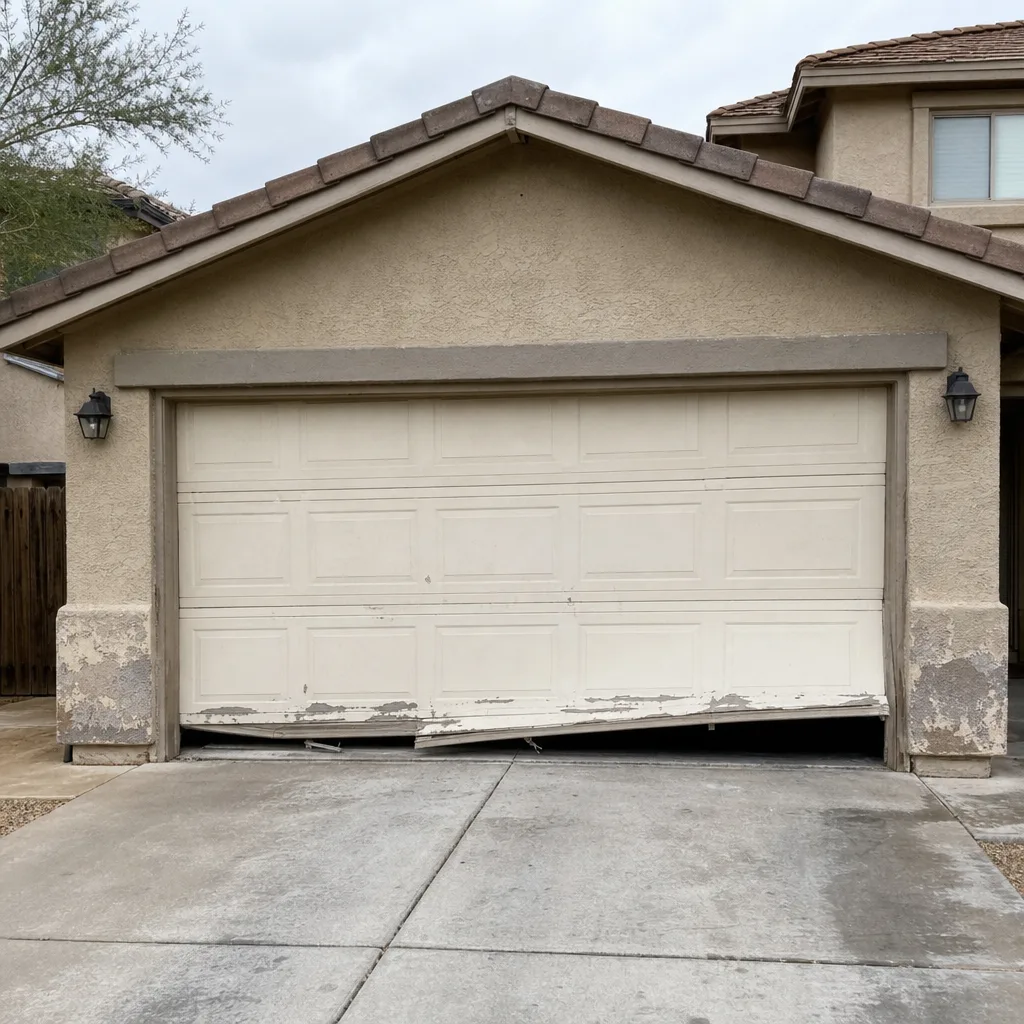 Before
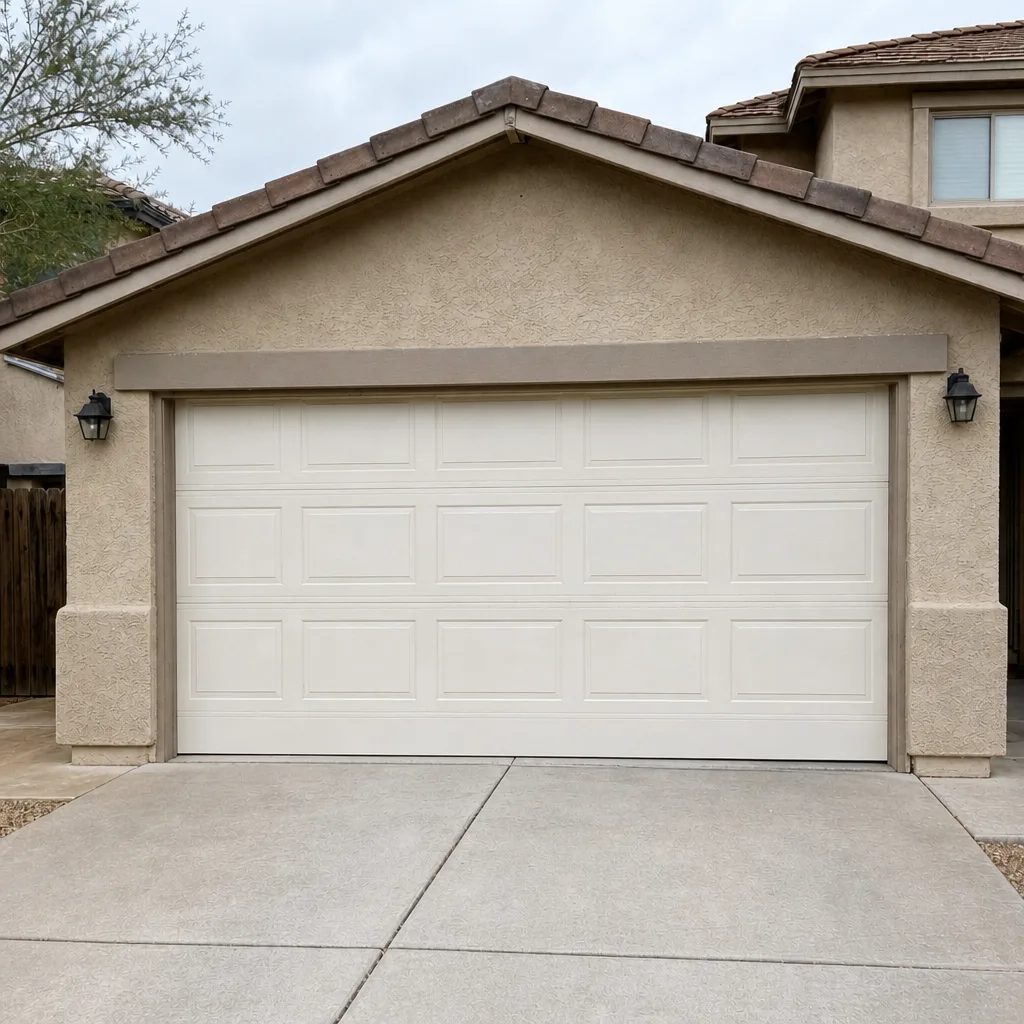 After
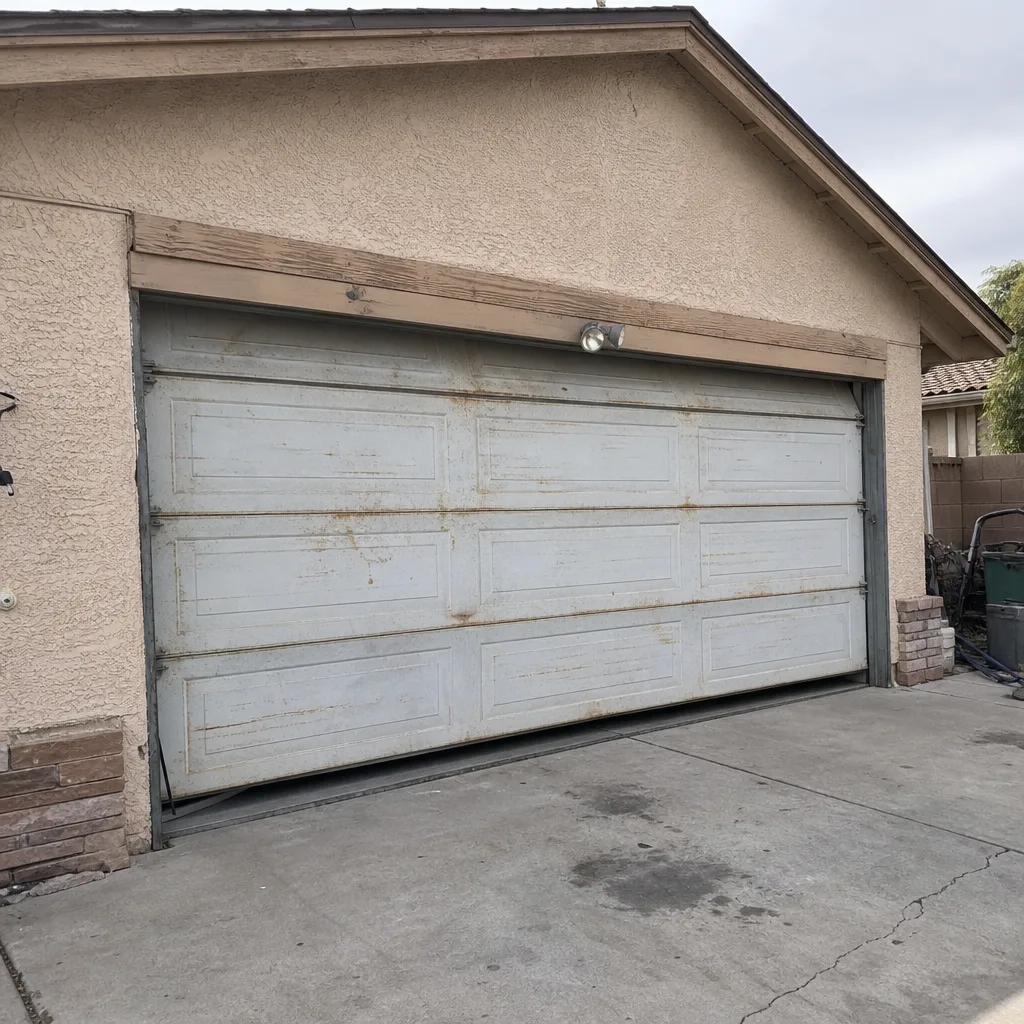 Before
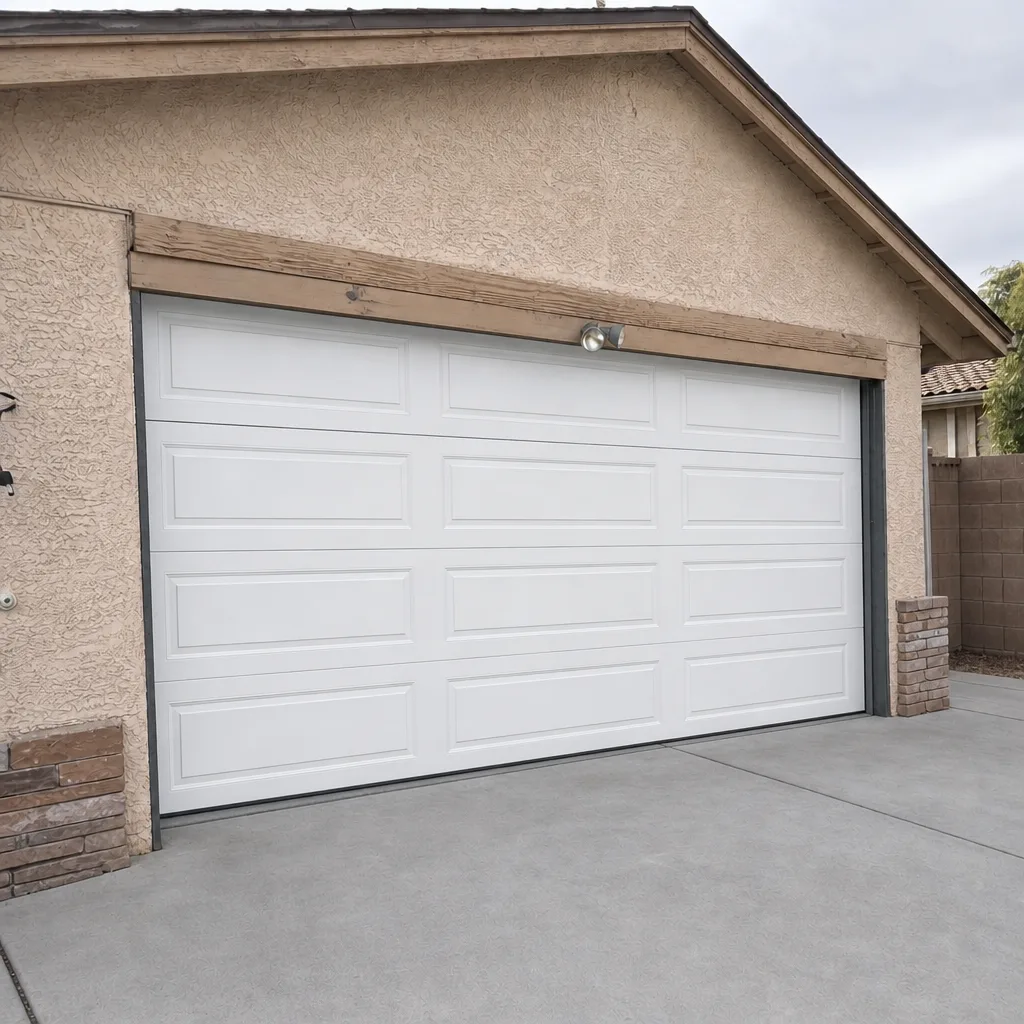 After
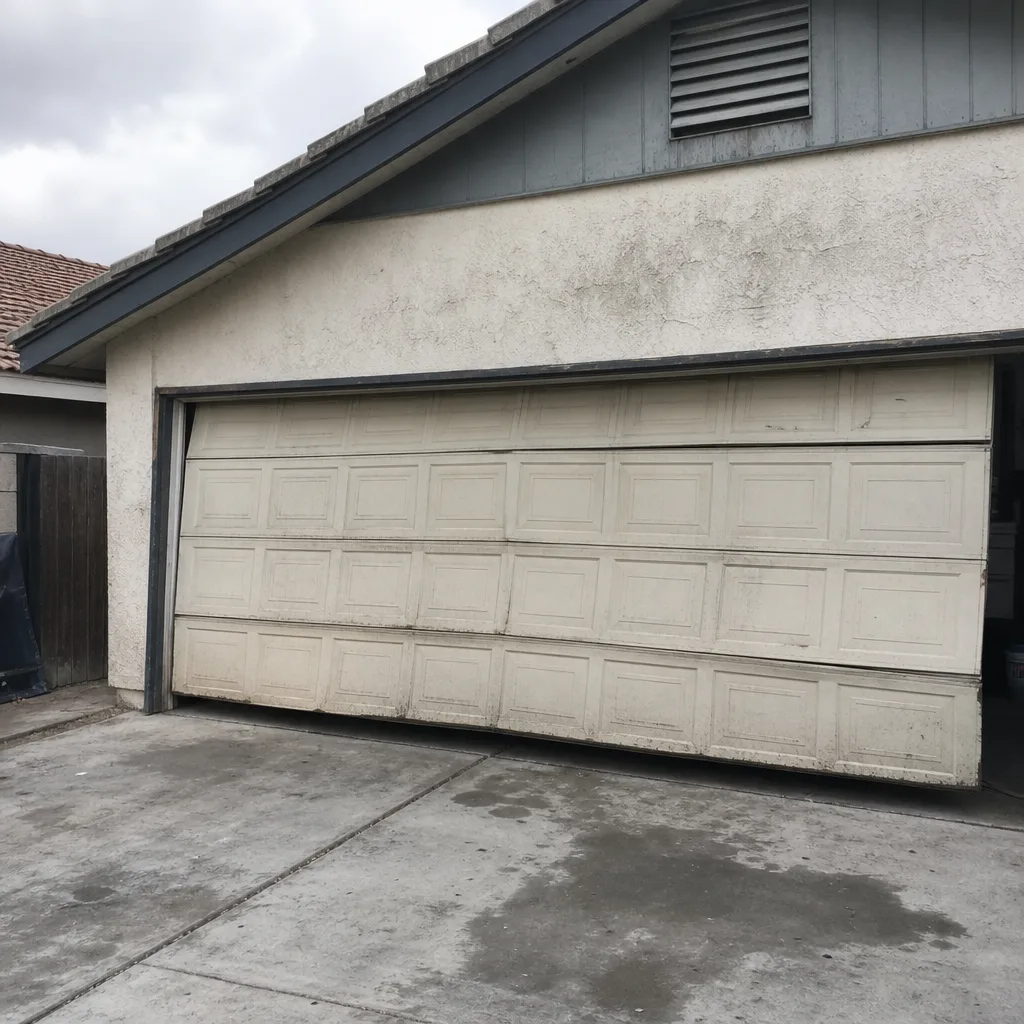 Before
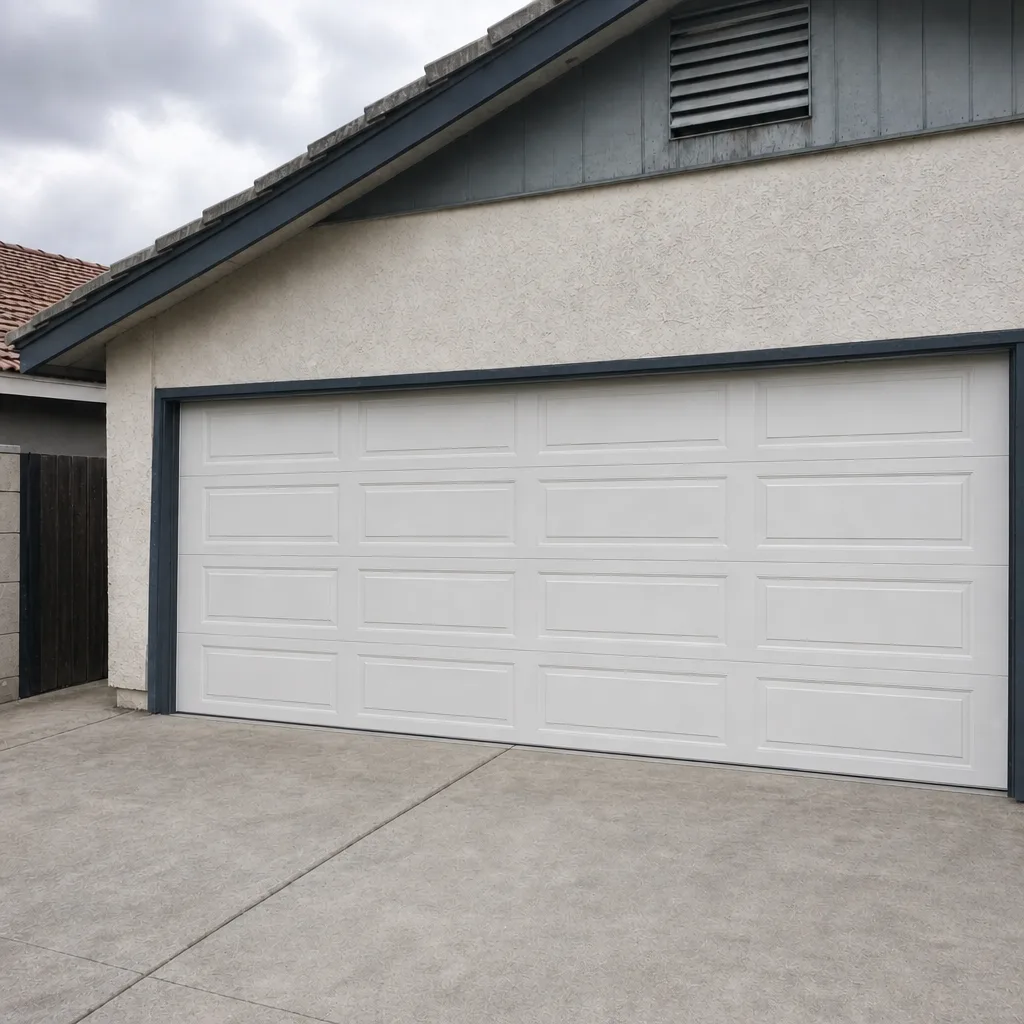 After
When to Call a Professional
Some tasks are safe to handle at home and some are not. Call a trained technician when your balance test fails, when you hear a bang or see a gap in a spring, when the door hangs crooked or a cable looks frayed, or when the opener reverses, stalls, or won’t respond to the remote after a sensor check. Corroded or bent tracks, a door that won’t close flush to the floor, and any work involving springs or cables all warrant a professional. Our technicians have up to 15 years of experience across eight major brands, so we recognize your system fast. Hawk Garage Door Repair offers free estimates in Avondale. Call (877) 824-4815. We answer 24/7. Fast dispatch from 7am to 7pm, Sunday through Friday.
Frequently Asked Questions
Every two to three months in Avondale, rather than the twice-yearly schedule on most manufacturer stickers. The heat and fine dust wear down lubricant faster than a temperate climate does, so the desert cycle keeps moving parts protected. Call (877) 824-4815 for a free estimate if you’d like it handled during a repair visit.
You can test door balance yourself, but you should never touch the springs or cables directly. Disconnect the opener, lift the door to waist height, and see if it holds; a door that slides down has lost spring tension. That means a technician’s visit, not a homeowner fix, because springs carry dangerous tension. Call (877) 824-4815 and we’ll take a look.
Hot-day reversals usually come from safety sensors drifting out of alignment as the door frame expands in the heat. A quick check of the sensor indicator lights and a wipe of the lenses often solves it. If it keeps happening, the sensor or wiring may need professional attention. Call (877) 824-4815 for a free estimate.
Replace the bottom seal when it feels hard or brittle instead of rubbery, or when you see visible cracks along its length. In Avondale, UV exposure breaks down seals faster than almost any other component, so check them each spring and again after monsoon. Call (877) 824-4815 for a free estimate on replacement.
Yes, and Avondale’s climate makes it more important, not less. Even a recently installed door with Amarr or Clopay hardware faces dust, heat, and UV from day one, and the short desert lubrication cycle prevents premature wear. A few minutes per season keeps the warranty-relevant parts in good shape. Call (877) 824-4815 with questions.
DIY covers visual inspections, lubrication, sensor alignment, and seal replacement on the bottom seal; a technician handles springs, cables, track alignment, opener internals, and any balance problem. The split protects you from the genuinely dangerous parts of the system. Call (877) 824-4815 for anything on the technician side.
The Bottom Line
Avondale’s heat, dust, and sun rearrange the standard maintenance schedule, and the failure order is predictable: seals first, then moving parts, then sensors, then springs. Build your year around the desert seasons instead of four equal quarters, lubricate every two to three months with high-temperature grease, test door balance rather than touching the springs, and check sensor alignment whenever the heat spikes. Keep the spring-and-cable work for a trained technician, and treat the rest as a short seasonal habit. Done right, this checklist saves you the emergency call you’d rather not make. Call (877) 824-4815 for a free estimate. We answer 24/7. Fast dispatch from 7am to 7pm, Sunday through Friday.
Written by the team at Hawk Garage Door Repair.